Safeguard Savings Through Proactive AC Preparation for Summer 2025
As temperatures rise, the air conditioner emerges as the essential component for home comfort. Numerous homeowners delay maintenance until the initial heatwave strikes, resulting in substantial repair expenses or extended service delays. Proactive preparation of the AC system prior to summer onset represents a proven method to minimize repair costs, decrease energy consumption, and prolong the operational life of cooling apparatus. Such foresight can preserve hundreds of dollars while averting disruptions during peak heat periods.
This resource delineates methods to ready the air conditioner for summer demands, highlights maintenance activities that yield the greatest financial benefits, and specifies circumstances warranting professional intervention. Each segment emphasizes actionable procedures, realistic cost projections, and validated approaches to sustain optimal cooling performance throughout the season.
Comprehensive Guide to AC Summer Readiness
Readying the air conditioner entails a combination of cleansing, examination, and evaluation. Adhere to the following checklist to equip the system for intensive operation.
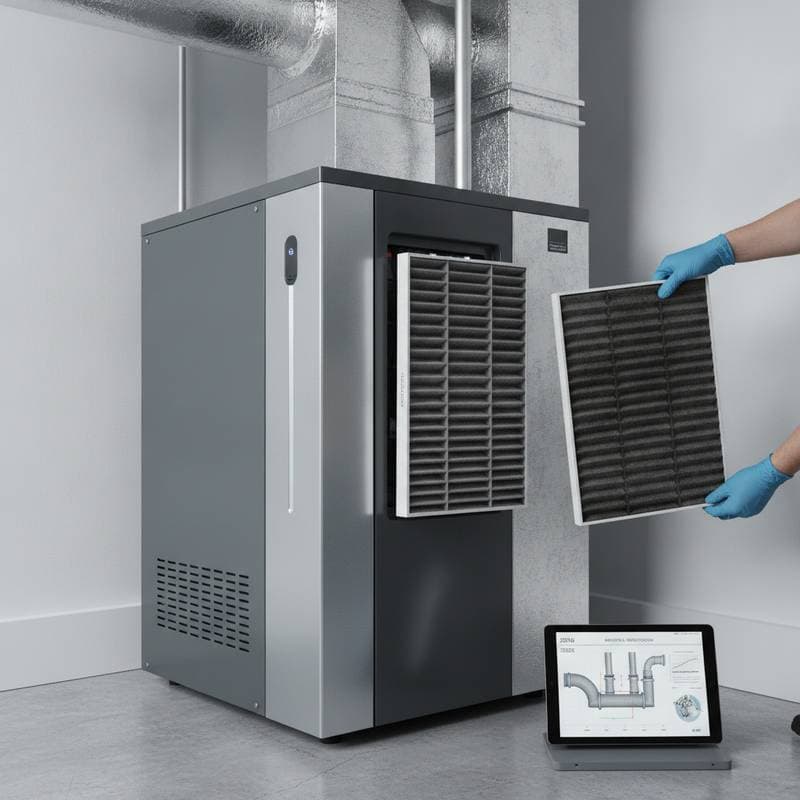
1. Cleanse or Renew Air Filters
Accumulated debris in filters impedes airflow, compelling the system to labor excessively and draw increased power. Renew disposable filters or cleanse reusable variants at intervals of one to three months, adjusted for household factors. Residences with animals, tobacco use, or proximate construction sites often necessitate monthly renewals. Filters range in price from 10 to 40 dollars based on variety and dimensions. Opting for high-efficiency pleated filters enhances interior air purity and alleviates system stress.
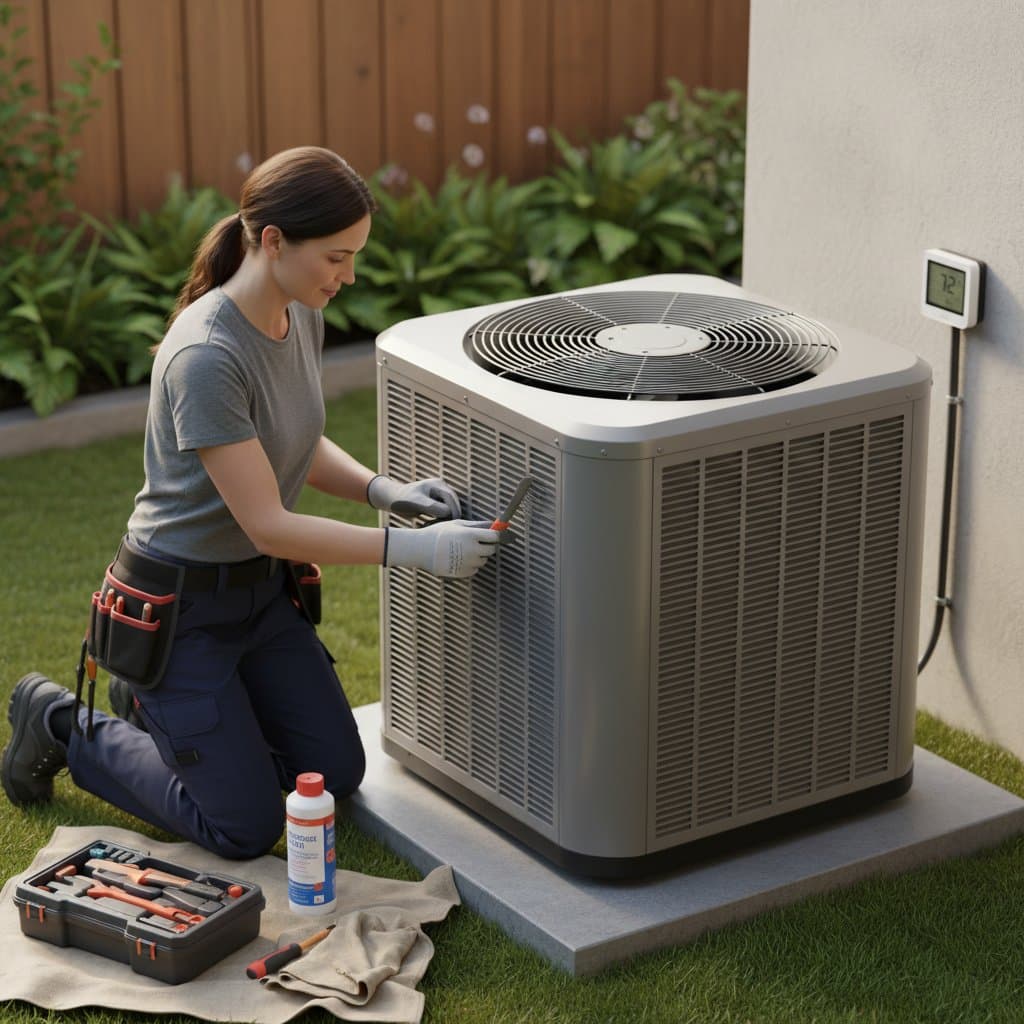
2. Clear the Vicinity of the Outdoor Condenser
The exterior unit dissipates heat from the interior space, rendering unobstructed airflow around it vital. Prune foliage to maintain at least two feet of clearance on all sides. Eliminate foliage, grass residues, and soil from the fins employing a soft-bristled brush or a vacuum on a low-intensity mode. Avoid high-pressure water applications, as they risk deforming the coils. Maintaining clearance alleviates compressor burden and curtails runtime expenses.
3. Examine and Cleanse Condenser Coils
Over time, coils accumulate dust and residue, impairing heat dissipation effectiveness. After deactivating power via the circuit breaker, detach the fan enclosure and lightly rinse the coils with a standard garden hose. For resistant accumulations, apply a specialized coil cleanser obtainable from hardware suppliers. Permit complete drying before reactivating the unit. Pristine coils elevate cooling proficiency by 10 to 20 percent.
4. Assess Refrigerant Lines and Insulation
Examine the refrigerant conduits linking the exterior and interior units. The larger conduit requires foam insulation to preserve efficiency. Substitute any compromised or absent insulation with pre-slit foam tubing. Presence of oily residues or frost accumulation signals a potential refrigerant escape. Addressing such concerns demands a certified technician, given regulatory constraints on refrigerants.
5. Cleanse the Indoor Evaporator Coil and Drain Line
Within the air handler or furnace, the evaporator coil extracts heat from ambient indoor air. Debris and microbial development on the coil surface diminish airflow and cooling capacity. Entry occurs through access panels for cleansing. Employ a soft brush or a no-rinse coil cleanser. Introduce one cup of white vinegar into the condensate drain to inhibit algal proliferation that leads to obstructions and moisture incursions.
6. Inspect the Thermostat and Associated Wiring
Verify that the thermostat remains level and firmly affixed. Renew batteries as needed and evaluate programmed temperature thresholds. A programmable thermostat facilitates savings of up to 10 percent on cooling expenditures by modulating settings during rest periods or absences. Survey visible wiring junctions for evidence of deterioration or oxidation. Any loose or charred connections necessitate expert evaluation.
7. Evaluate System Performance Prior to Peak Usage
Upon finishing all cleansing and assessments, activate the system for a brief operational trial. Monitor for atypical sounds, including rattles or hisses. Confirm delivery of chilled air from distribution vents and unobstructed rotation of the exterior fan. Should the system exhibit startup difficulties or diminished airflow, arrange a professional adjustment before temperatures escalate.
Key Malfunctions Averted by Timely Preparation
Obstructed Condensate Drain
Blockages in the drain line cause water accumulation within the air handler, leading to leaks and elevated humidity. Periodic flushing with vinegar or installation of a condensate safeguard deters mold formation and water-related damages, which could incur repair costs in the hundreds.
Iced Evaporator Coil
Insufficient refrigerant or restricted airflow prompts freezing on the evaporator coil. Resulting ice halts cooling functions and burdens the compressor. Routine filter maintenance, airflow preservation, and refrigerant verification mitigate this complication.
Defective Capacitors and Contactors
Electrical elements deteriorate under prolonged exposure to heat and usage. Compromised capacitors hinder startups, whereas faulty contactors impede compressor engagement. Preliminary testing pinpoints these affordable components prior to total failure.
Contaminated Coils and Obstructed Fins
Debris on coils hampers heat exchange, extending runtime and inflating electricity charges. This condition accelerates motor degradation. Regular coil cleansing extends equipment longevity by several years.
Balancing DIY Efforts with Expert Assistance
Individuals can execute standard maintenance procedures securely using fundamental tools and meticulous care. Activities such as filter renewal, coil washing, and drain clearance prove straightforward and impactful. Certain tasks, however, demand advanced tools or specialized expertise.
Engage a professional for scenarios including:
- Refrigerant escapes or diminished pressure indicators
- Electrical part malfunctions or scorched wiring
- Recurrent short cycling of the system
- Aberrant sounds from the compressor or blower assembly
- Variable indoor climates notwithstanding adequate airflow
Certified HVAC specialists deploy pressure gauges, electrical meters, and diagnostic tools to uncover concealed inefficiencies. They ensure adherence to regional construction standards and environmental mandates concerning refrigerants.
Resolving Frequent AC Challenges
Despite thorough preparation, issues may surface. The following outlines prompt remedies for prevalent concerns:
System Fails to Activate
Confirm thermostat configurations and verify that power toggles adjacent to both interior and exterior units remain engaged. Renew thermostat batteries and ascertain the circuit breaker has not disengaged.
Diminished Airflow
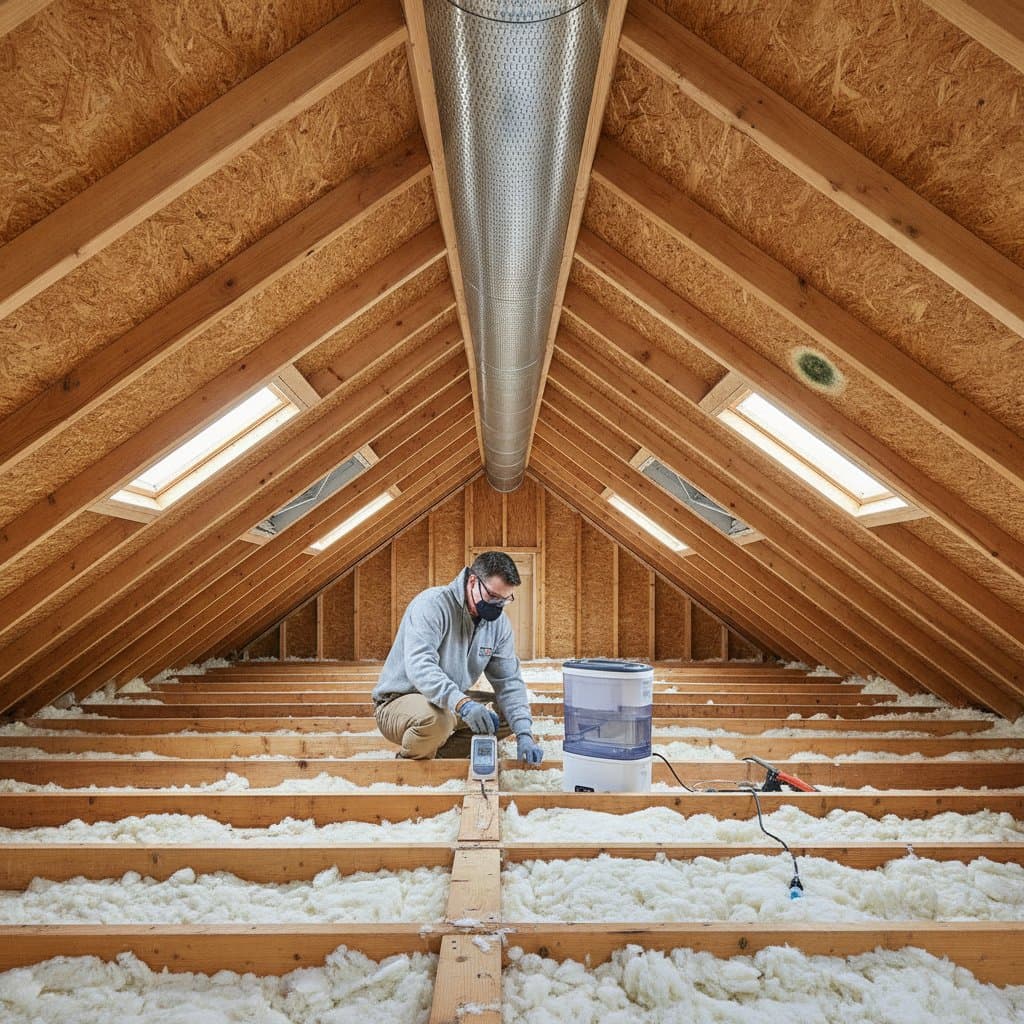
Survey filters and vent covers for impediments. Ensure all distribution vents stand open and inspect for duct collapses in attics or subfloor areas. Experts measure static pressure to diagnose airflow constraints.
Emission of Unchilled Air from Vents
This symptom often arises from refrigerant shortages, soiled coils, or malfunctioning reversing valves in heat pump configurations. Self-cleaning of coils remains feasible, yet refrigerant matters require licensed intervention.
Aberrant Auditory Signals
Rattling typically originates from unsecured panels, whereas squealing suggests deteriorated belts or bearings. Clicking or humming indicates electrical anomalies. Deactivate the system pending inspection to forestall additional harm.
Sustaining Long-Term AC Performance
Regular upkeep of the air conditioner safeguards both comfort and financial resources. Implementing an annual preparation regimen ensures efficient operation and circumvents seasonal disruptions. Maintain a log of all servicing events, filter renewals, and component replacements. This documentation aids in future diagnostics and enhances property value during resale.
Schedule an expert tune-up ahead of the primary heat surge annually. Integrate this with personal cleansing and inspection practices to achieve superior outcomes.