AC Tune-Ups in 2026: DIY Versus Professional Costs and Benefits
Summer heat demands a reliable air conditioning system. In 2026, rising energy costs and advanced HVAC technologies make pre-season tune-ups essential for efficiency and longevity. This article examines the differences between do-it-yourself maintenance and hiring professionals, focusing on projected costs, tasks, and outcomes.
Homeowners face choices that balance time, skill, and budget. Understanding these options allows informed decisions that protect investments and ensure comfort. Regular maintenance reduces energy bills by up to 15 percent and extends system life by several years.
The Importance of Pre-Season AC Maintenance
Air conditioners endure heavy use during warm months, accumulating dust, debris, and wear. Without tune-ups, efficiency drops, leading to higher utility costs and potential breakdowns. In 2026, with stricter energy standards, well-maintained units comply better and perform optimally.
A tune-up involves inspecting components, cleaning parts, and testing operations. These steps identify issues early, avoiding expensive repairs that average $300 to $1,000. Professional data indicates that tuned systems operate 10 to 20 percent more efficiently than neglected ones.
Homeowners who skip maintenance risk voiding warranties or facing emergency service calls. Proactive care aligns with environmental goals by minimizing refrigerant leaks and energy waste. Start planning now to avoid peak-season rushes and inflated prices.
Key Components of an AC Tune-Up
Every tune-up targets critical areas to ensure smooth operation. Technicians or capable homeowners check the thermostat, coils, filters, and drainage systems. Electrical connections receive scrutiny to prevent hazards.
Refrigerant levels require verification for proper cooling cycles. Fans and motors undergo lubrication and balance tests. Ductwork inspection reveals leaks that waste cooled air.
In 2026, smart AC systems with IoT features demand software updates alongside physical checks. These comprehensive reviews form the foundation for deciding between DIY and professional approaches.
DIY AC Tune-Ups: Tasks and Estimated Costs
Do-it-yourself maintenance suits handy homeowners with basic tools. These efforts focus on accessible tasks that improve performance without specialized equipment. Projected costs for 2026 remain low, emphasizing supplies over labor.
Cleaning the Air Filter
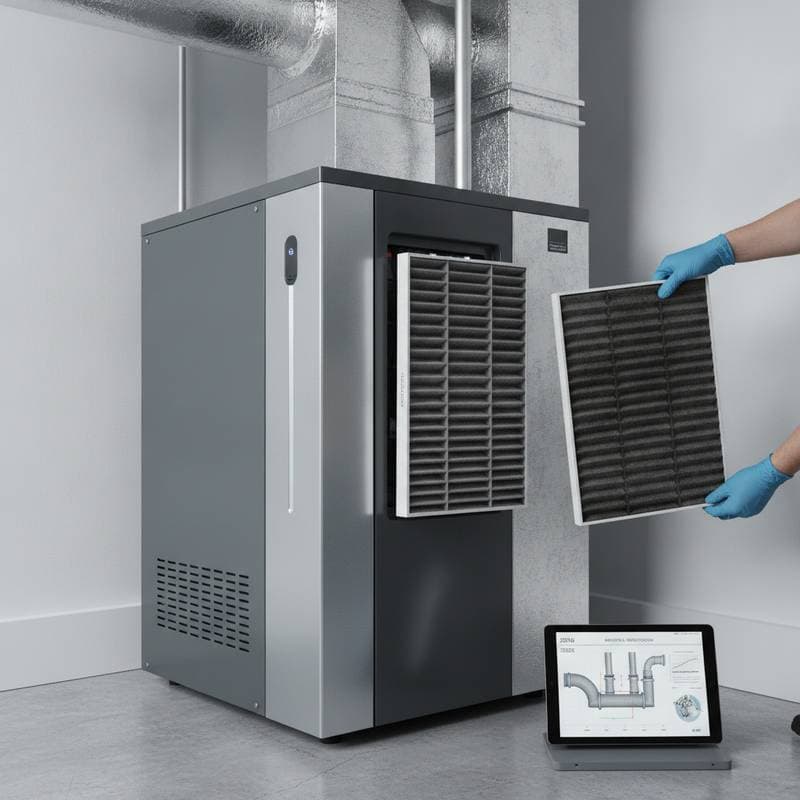
Replace or clean the air filter every one to three months. A dirty filter restricts airflow, straining the compressor. Standard filters cost $10 to $20 each; reusable ones last longer with simple washing.
Locate the filter in the return air duct or unit panel. Slide out the old one, vacuum debris, or rinse if washable. Install a new filter matching the unit's size for best results.
This task takes 15 minutes and prevents 80 percent of common efficiency losses. Regular changes extend filter life and reduce dust circulation indoors.
Clearing Coils and Drains
Outdoor condenser coils collect dirt from yard debris. Gently brush or hose them clean during mild weather. Avoid high pressure to prevent fin damage.
Indoor evaporator coils benefit from foam cleaners applied via access panels. Allow drying before operation. These steps cost under $15 for supplies and restore heat exchange efficiency.
Check the condensate drain for clogs using a wet-dry vacuum. Pour a vinegar solution to inhibit algae growth. Unblocked drains prevent water damage and mold issues.
Inspecting and Tightening Connections
Visual checks reveal loose belts, frayed wires, or corrosion. Tighten screws on panels and cabinets with a screwdriver. Costs involve no purchases beyond basic tools already owned.
Test the thermostat settings for accuracy. Calibrate if needed using manufacturer guidelines. These actions take under an hour and avert minor problems from escalating.
DIY tune-ups total $20 to $50 in materials for the season. They suit units under five years old with no complex issues. However, improper handling risks voiding warranties or causing damage.
Professional AC Tune-Ups: Services and 2026 Cost Projections
Certified technicians provide thorough diagnostics beyond DIY reach. They use gauges, meters, and software for precise adjustments. In 2026, labor rates rise slightly due to technician shortages and tech integrations.
Comprehensive System Inspection
Professionals arrive with service vans equipped for all scenarios. They measure refrigerant pressure, electrical voltage, and airflow rates. This identifies imbalances invisible to untrained eyes.
Duct leakage tests employ smoke or anemometers. Leaks exceeding five percent warrant sealing with mastic compounds. Such precision ensures compliance with 2026 efficiency regulations.
Software updates for smart thermostats integrate with home automation. Technicians verify compatibility and optimize settings for energy savings.
Advanced Cleaning and Repairs
High-pressure vacuums and chemical cleaners handle coil grime effectively. Motor bearings receive professional lubrication. These methods extend component life by 20 to 30 percent.
Refrigerant recharges follow EPA guidelines, preventing environmental harm. Minor repairs, like capacitor replacements, occur on-site for $100 to $200.
Full tune-ups include priority scheduling for future needs. Certifications guarantee work quality and safety.
Projected costs for 2026 range from $100 to $250 per visit. Basic services start at $100 in low-cost areas, while premium packages with guarantees reach $250. Annual contracts offer discounts, averaging $150 per tune-up.
Comparing DIY and Professional Options
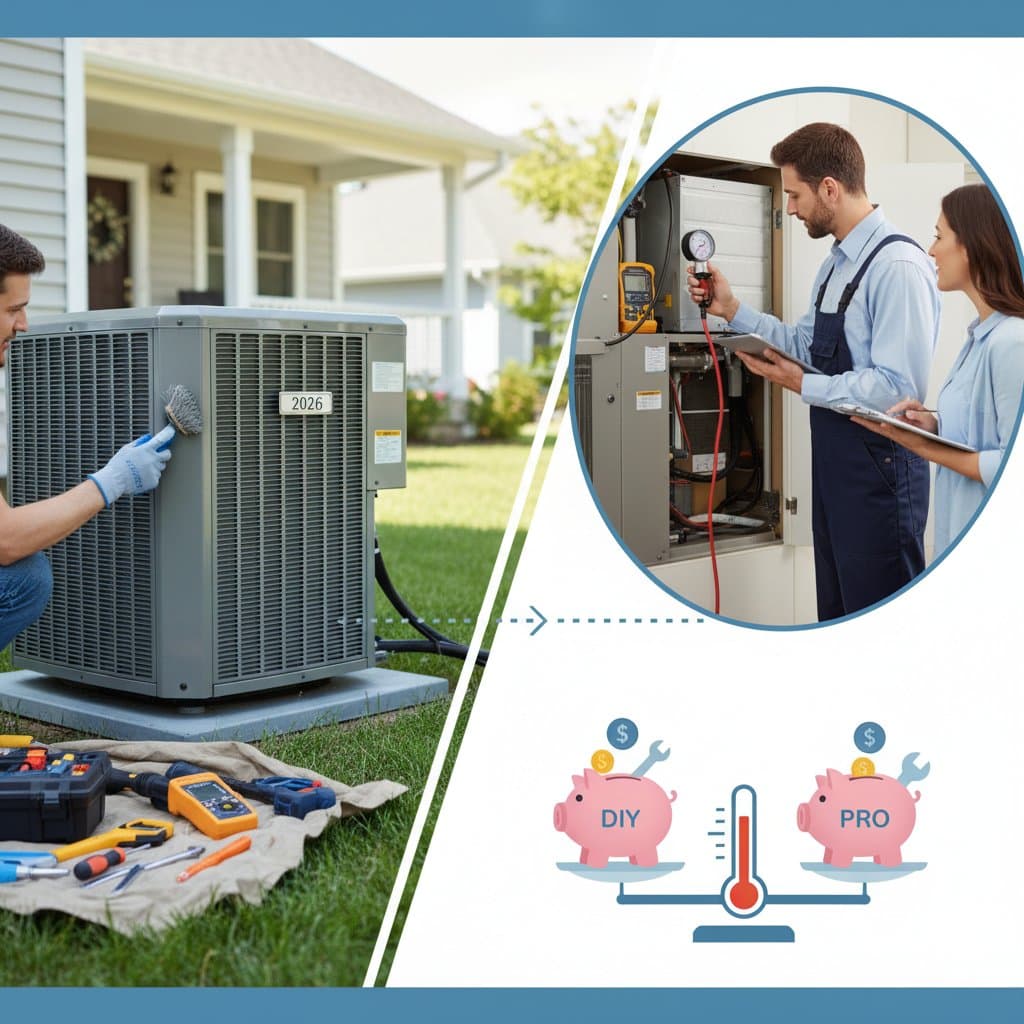
DIY appeals to budget-conscious individuals with time to spare. It covers 60 to 70 percent of routine maintenance effectively. Savings reach $100 to $200 annually compared to pro services.
However, professionals detect issues like refrigerant leaks or compressor strain early. These prevent $500 to $2,000 in future repairs. For systems over 10 years old, expert intervention proves essential.
Safety considerations favor pros for electrical or refrigerant work. Homeowners avoid liability and health risks from mishandling. In 2026, insurance providers may require documented pro tune-ups for claims.
Choose DIY for simple cleanings if confident. Opt for professionals annually or biannually for reliability. Hybrid approaches, like DIY filters with pro inspections, balance costs and thoroughness.
Long-Term Strategies for AC Efficiency
Integrate tune-ups into yearly routines alongside seasonal checks. Monitor energy bills for unusual spikes signaling problems. Programmable thermostats adjust temperatures automatically, complementing maintenance.
Upgrade to high-efficiency filters or variable-speed units if replacing. These innovations, standard by 2026, amplify tune-up benefits. Insulate attics and seal windows to reduce AC workload.
Track maintenance logs for warranty purposes. Community resources offer workshops on basic HVAC care. Consistent habits yield the greatest returns on investment.
Achieving Optimal Comfort and Savings
Investing in tune-ups pays dividends through lower bills and fewer disruptions. DIY efforts empower control, while professional expertise ensures peak performance. Tailor your approach to your system's age and your comfort level.
By 2026, efficient AC operation supports sustainable living. Homeowners who prioritize maintenance enjoy cooler homes and peace of mind. Start with a self-assessment to determine your next steps.