
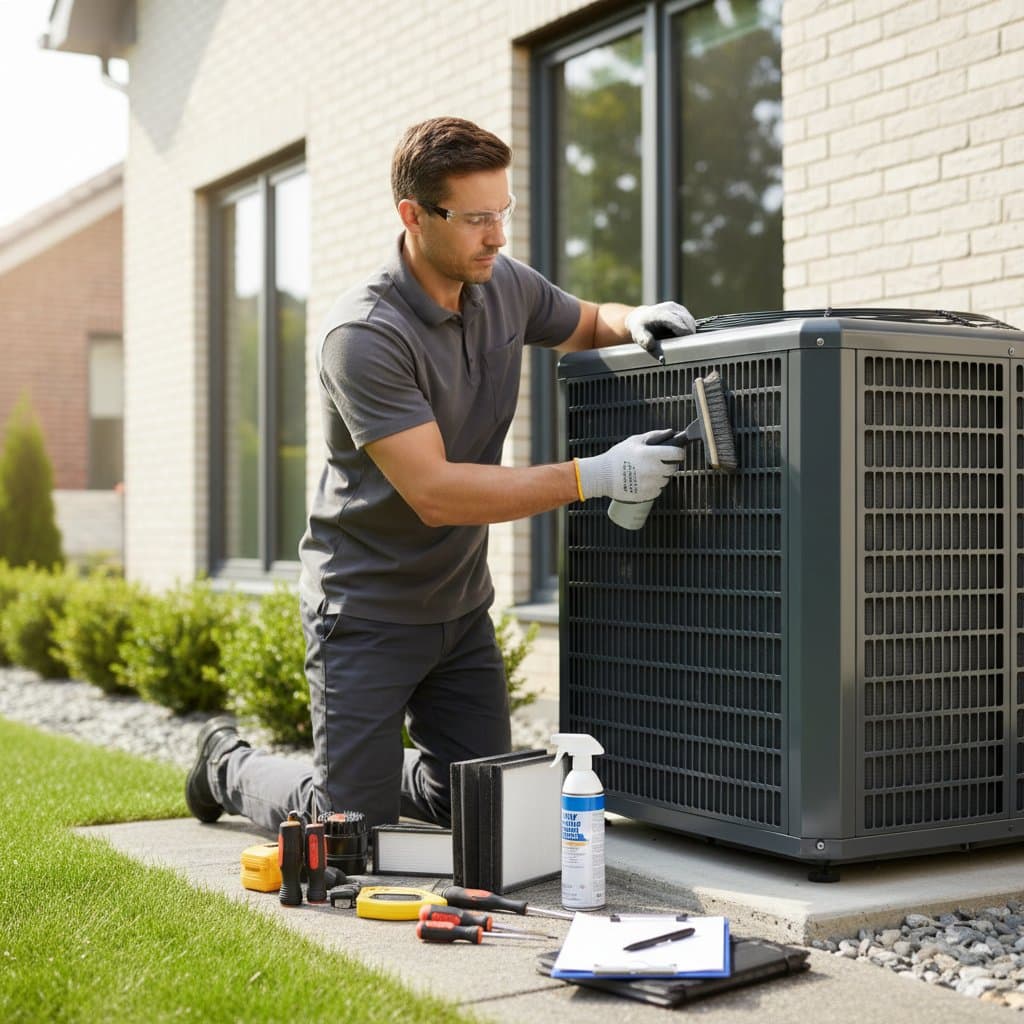
Perform a DIY AC Tune-Up to Protect Your Summer Budget
A timely air conditioner tune-up ensures comfortable cooling without excessive expenses. Homeowners often believe professional service is necessary for every maintenance task, yet a methodical do-it-yourself method enhances performance, prolongs equipment life, and decreases energy consumption. With basic tools, a systematic checklist, and careful attention, individuals can execute a comprehensive tune-up securely and proficiently.
Prioritize Safety Before Starting
Begin every maintenance session by disconnecting power to the unit. This precaution prevents electrical risks during cleaning or examination of components. Identify the circuit breaker or disconnect switch adjacent to the outdoor condenser and interrupt the power flow. Verify the action by observing that the fan and compressor cease operation entirely.
Don protective gloves and safety goggles when handling coils or potentially sharp metal surfaces. Refrain from directing water toward electrical elements. Should frayed wires, charred insulation, or additional electrical impairments appear, halt activities immediately and summon a certified technician. Safety remains paramount in any self-directed endeavor.
Comprehensive Step-by-Step AC Tune-Up Guide
Adhere to this organized sequence to cleanse, evaluate, and ready your air conditioning system for peak summer demands.
1. Examine and Renew the Air Filter
A obstructed filter impedes airflow and compels the system to labor excessively. Remove the existing filter and assess it for accumulated dust. Replace it with a compatible new filter if it appears discolored or laden with particles. Fresh filters reduce energy demands by as much as 15 percent and sustain cleaner coil conditions over extended periods.
2. Cleanse the Condenser Coils
The outdoor condenser coils dissipate heat extracted from the interior space. Accumulated dirt and foliage function as barriers, retaining heat and overworking the compressor. Apply a specialized coil cleaner or mild detergent mixture. Allow the solution to penetrate for several minutes, then rinse using a hose with minimal pressure. Take care not to distort the fins, as deformation hinders airflow.
3. Align Bent Fins
Coil fins, being slender, readily deform from impacts such as hail, animal activity, or falling debris. Employ a fin comb to realign them gently. This restoration promotes uniform airflow across the coil and elevates overall efficiency. Proceed methodically to prevent excessive pressure on the tool.
4. Remove Debris from the Outdoor Unit Vicinity
Fallen leaves, encroaching weeds, and soil accumulation obstruct airflow surrounding the condenser. Maintain a clearance of at least two feet on each side. Prune adjacent vegetation and eliminate objects leaning on or abutting the unit. Confirm the condenser fan rotates without hindrance.
5. Inspect the Condensate Drain Line
This line expels condensation from the indoor evaporator coils. Clogs from algae or sediment eventually lead to overflows and structural harm. Disconnect the line at its access point and irrigate it with a blend of warm water and gentle detergent. Introduce a modest quantity of white vinegar periodically to inhibit future accumulations.
6. Assess the Evaporator Coils
Positioned within the indoor air handler, evaporator coils demand periodic scrutiny. Access them via the panel, secured by screws. Search for dust layers or frost formations. Gently dislodge residues using a soft brush or vacuum attachment. Substantial icing or oily residues suggest refrigerant discrepancies requiring expert intervention.
7. Verify Thermostat Functionality
Adjust the thermostat to a setting several degrees cooler than the ambient temperature and monitor for system activation. Should it fail to engage, inspect battery levels and wiring integrity. Advanced thermostats adapt to usage patterns for energy conservation, while basic programmable versions offer scheduling benefits and operational simplicity.
8. Detect Leaks in Ductwork
Compromised ducts squander conditioned air and overburden the equipment. Trace accessible seams with your hand as the system operates. Identify drafts indicating escapes. Apply foil-reinforced HVAC tape or mastic compound to minor fissures. Extensive breaches warrant specialist remediation.
9. Secure Loose Fasteners
Ongoing vibrations gradually loosen screws and mounts. Review access panels, fan enclosures, and electrical housings. Fasten any slack components to minimize operational noise and deterioration. Ensure fan blades remain firmly attached and equilibrated.
10. Reconnect Power and Evaluate Operation
After concluding all preparatory tasks, reinstate electrical supply. Operate the system for 10 to 15 minutes. Assess vent output for consistent coolness. Monitor for atypical auditory cues. Frequent on-off cycles or tepid airflow signal the need for additional diagnostics.
Indicators of Underlying Issues to Monitor
During the process, remain vigilant for symptoms of more serious malfunctions. Vents emitting warm air, persistent grinding sounds, or rapid cycling point to mechanical or refrigerant complications. An acrid odor demands immediate shutdown and professional evaluation, particularly if electrical compromise or refrigerant escape is suspected.
Uneven temperature distribution across rooms often stems from obstructed vents or ducts. Obstructions from furnishings or carpeting may contribute. Relocating such items frequently resolves discrepancies at no additional expense.
Evidence from Homeowner Experiences
Discussions in online homeowner groups frequently highlight positive outcomes from self-performed tune-ups. One participant noted a 25 percent reduction in monthly electricity charges following coil cleaning and duct reinforcement. Another described how filter replacement alleviated long-standing inconsistencies in cooling. Such accounts demonstrate the tangible benefits of proactive measures.
Professionals affiliated with HVAC organizations affirm that consistent upkeep can prolong system longevity by multiple years. They advocate filter changes every few months and thorough pre-summer assessments to optimize reliability.
Sustain AC Performance Through the Season
Following the initial tune-up, establish a routine upkeep regimen. Inspect filters monthly during intensive operation and routinely sweep debris from the exterior unit. Log maintenance dates via calendar entries or digital alerts to monitor trends effectively.
Should cooling efficacy diminish mid-season, consult the guide anew. Minor inefficiencies commonly arise from overlooked filters or impeded circulation. Diligent oversight stabilizes energy usage and averts expensive failures amid intense warmth.




