Essential Preparations to Avoid AC Breakdowns This Summer
Summer heat demands a dependable air conditioning system. Many homeowners discover issues only during the first intense heatwave, leading to costly repairs and discomfort. Proactive preparation before peak temperatures rise extends equipment lifespan, lowers energy expenses, and maintains consistent cooling.
This guide provides detailed steps for readiness, along with expert advice and strategies to optimize performance. By addressing maintenance early, individuals achieve a comfortable indoor environment without interruptions.
Step-by-Step Guide to AC Preparation
Follow these sequential steps to ready your system for summer demands. Each task builds on the previous to ensure comprehensive care.
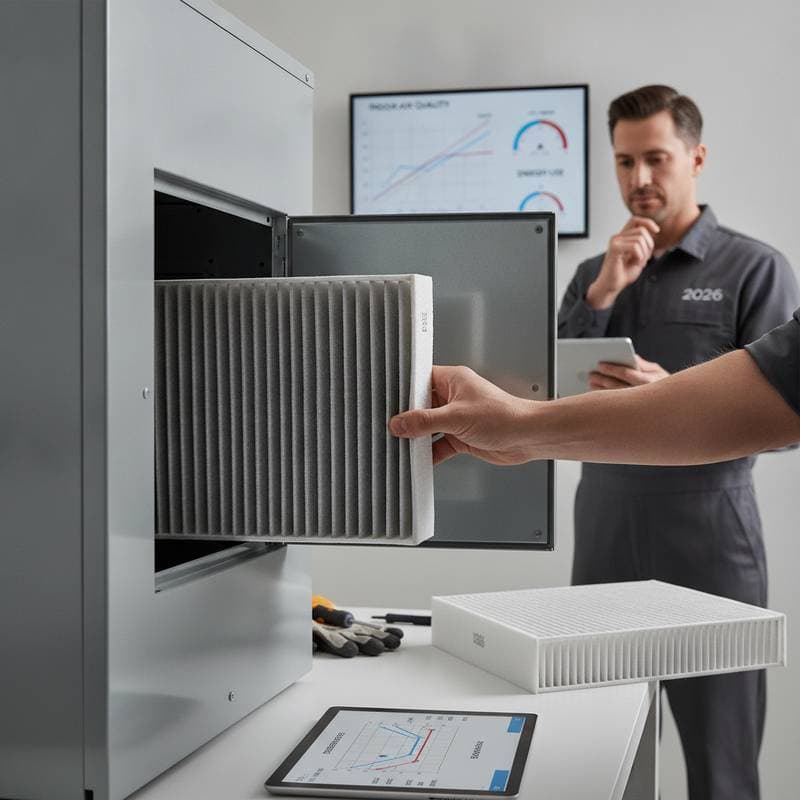
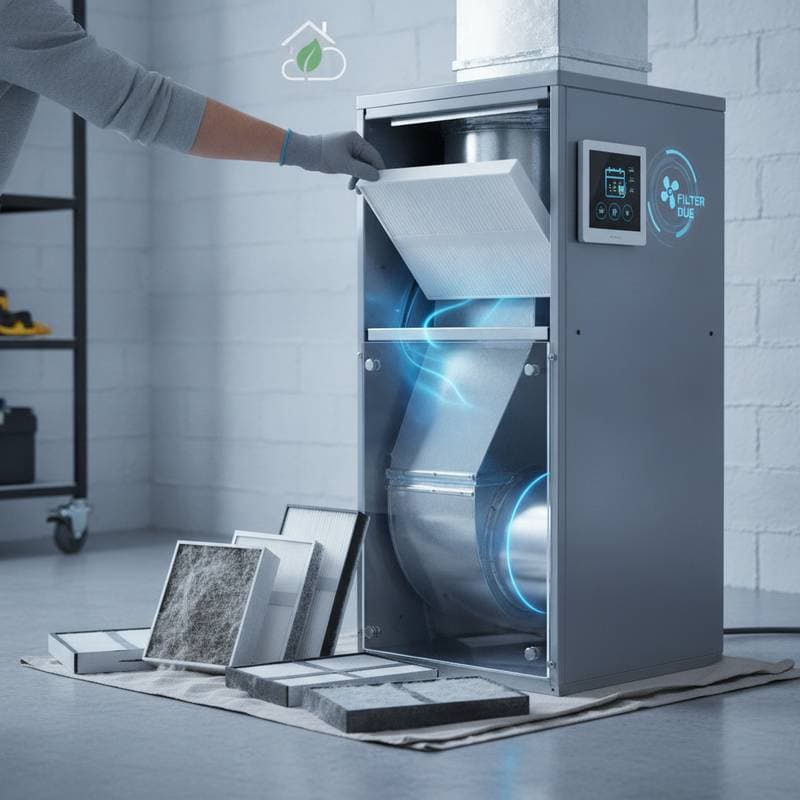
1. Replace or Clean the Air Filter
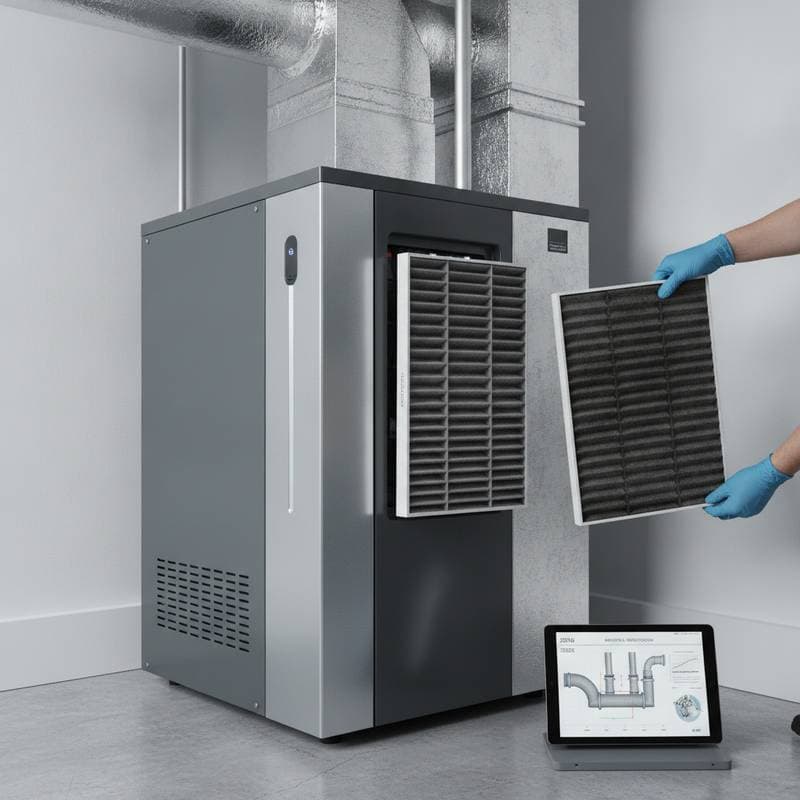
A dirty air filter restricts airflow, compelling the AC unit to operate inefficiently and increasing energy consumption. Systems with obstructed filters experience higher wear on components, potentially shortening overall lifespan. Experts recommend inspecting filters every month and replacing them every one to three months, based on household factors such as occupancy and air quality.
Select a filter compatible with your unit's requirements, verified through the manufacturer's manual. For households with pets, dust, or allergy concerns, opt for filters with a MERV rating of 8 or above to capture finer particles without overly impeding flow. Regular filter maintenance not only enhances efficiency but also improves indoor air quality by reducing circulating allergens.
2. Clean the Evaporator and Condenser Coils
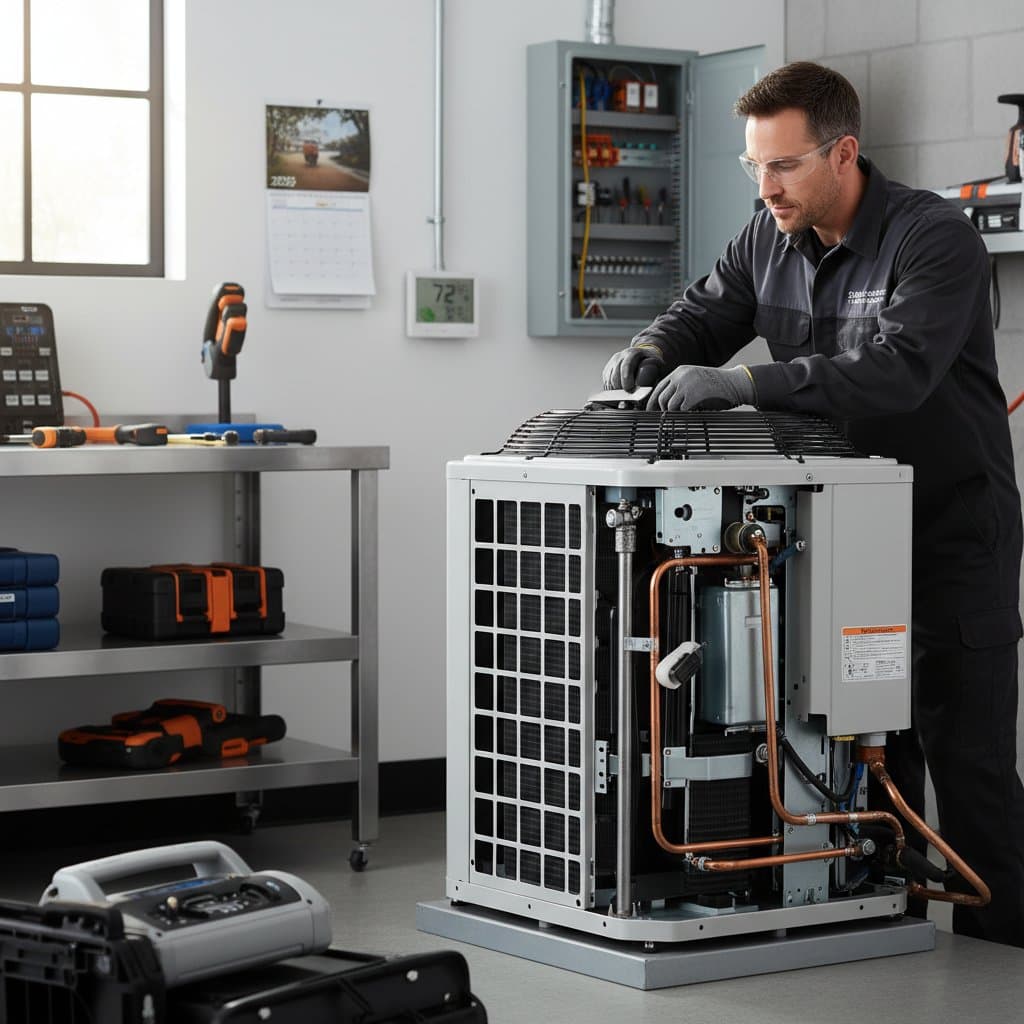
Coils accumulate dirt, dust, and debris over time, which insulates them and reduces heat transfer efficiency. The evaporator coil, located indoors, handles cooling, while the condenser coil outdoors dissipates heat. Neglected coils force the system to cycle longer, elevating energy use and risking compressor failure.
Turn off power to the unit before cleaning. Use a soft brush or coil cleaner spray to gently remove buildup from the evaporator coil fins, accessible via the access panel. For the outdoor condenser, clear vegetation and rinse with a garden hose, avoiding high-pressure washers that could bend delicate fins. Annual coil cleaning restores up to 20 percent of lost efficiency, according to industry standards.
3. Inspect and Clean the Condensate Drain
During operation, the AC produces condensation that drains away to prevent humidity buildup. Blockages from algae, dirt, or minerals cause overflows, resulting in water damage, mold proliferation, and system shutdowns. The drain line, typically a PVC pipe exiting the indoor unit, requires periodic attention to function properly.
Locate the drain access point and flush the line with a mixture of one part white vinegar to ten parts water, or a diluted bleach solution for stubborn clogs. If residue persists, employ a wet-dry vacuum to extract material from the end of the pipe. Perform this cleaning quarterly to avert leaks and maintain hygienic operation around the air handler.
4. Check and Calibrate the Thermostat
An inaccurate thermostat leads to uneven cooling and excessive runtime, wasting energy. Older models or those exposed to direct sunlight may misread temperatures, causing the system to overwork. Proper calibration ensures the AC activates only when necessary, optimizing comfort and efficiency.
Verify thermostat placement away from drafts, vents, or heat sources. For programmable units, test accuracy by comparing readings with a separate thermometer; adjust settings if discrepancies exceed two degrees. Consider upgrading to a digital model with setback features that lower temperatures during unoccupied periods, potentially saving 10 percent on bills.
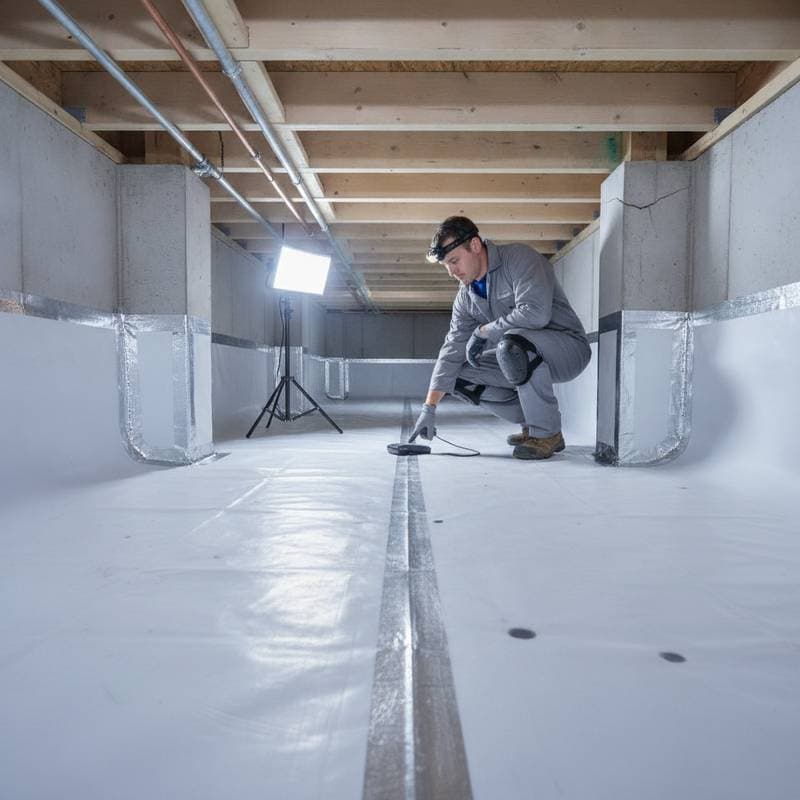
5. Examine Ductwork and Seals
Leaking ducts lose up to 30 percent of cooled air in some homes, particularly those with attics or crawl spaces. Visible gaps, disconnected joints, or deteriorated insulation allow conditioned air to escape, prompting longer operation cycles. Thorough inspection identifies and corrects these inefficiencies.
Examine accessible ducts for separations, holes, or frayed insulation using a flashlight. Seal imperfections with foil tape or mastic sealant, avoiding cloth duct tape which degrades quickly. For comprehensive evaluation, hire a professional to perform a duct blaster test, which pressurizes the system to detect hidden leaks and can boost efficiency by 15 to 20 percent.
6. Inspect the Outdoor Unit
The outdoor condenser unit faces exposure to weather, leaves, and pests, which can obstruct airflow and strain the system. Bent fins, debris accumulation, or low mounting height invite performance issues and higher energy demands. Routine checks preserve the unit's ability to expel heat effectively.
Clear a two-foot radius around the unit of grass, shrubs, and litter. Straighten any bent fins with a fin comb tool, and level the base if uneven to prevent vibration damage. Ensure electrical connections remain secure and free of corrosion; if the unit appears iced or unusually noisy, consult a technician promptly to avoid compressor overload.
7. Schedule Professional Maintenance
Homeowners manage basic tasks effectively, yet professional expertise uncovers subtle problems like low refrigerant or electrical faults. Certified technicians use specialized tools to measure pressures, clean inaccessible areas, and confirm safe operation. Annual servicing identifies issues early, averting breakdowns during peak usage.
Book an appointment in early spring to avoid seasonal backlogs. Technicians typically recharge refrigerant if needed, lubricate moving parts, and test controls, all while documenting findings for warranty purposes. Data from industry reports indicate that routine professional care reduces repair costs by up to 50 percent over the system's life.
Efficiency Upgrades for Long-Term Savings
Beyond basic maintenance, targeted upgrades enhance AC performance and yield substantial returns. Evaluate your current setup during preparation to identify improvement opportunities.
High-efficiency air conditioners with SEER ratings above 16 outperform older models, reducing energy consumption by 20 to 30 percent. Variable-speed units modulate output to match needs, minimizing short-cycling and wear. Zoning systems divide homes into controlled areas, directing cooling where required and easing the load on the primary unit.
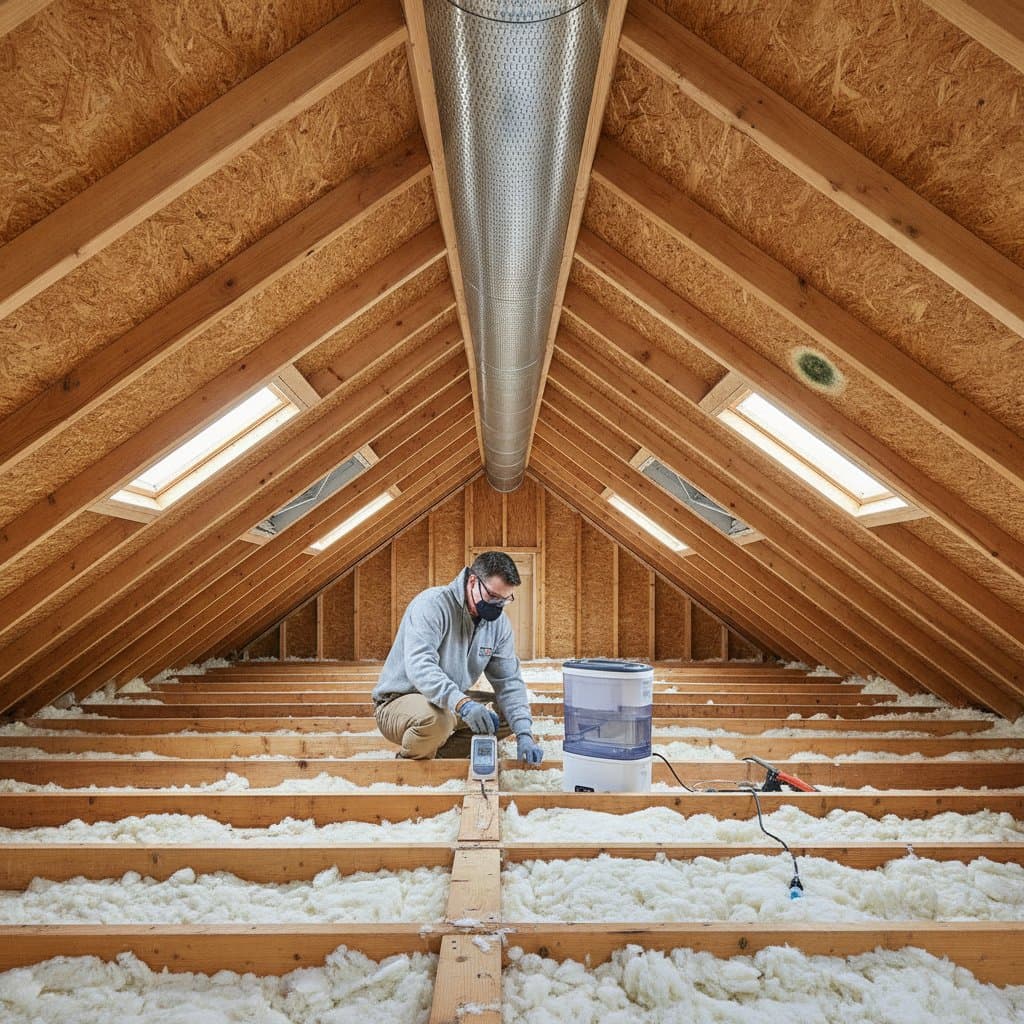
Enhance building envelope integrity by adding R-30 attic insulation or weatherstripping doors and windows, which retains cool air and lessens runtime. Smart thermostats learn occupancy patterns and integrate with apps for remote adjustments, often cutting usage by 8 to 10 percent through precise control.
Practical Strategies to Minimize Costs
Effective AC care balances self-performed tasks with professional input without straining budgets. Basic supplies like filters, cleaners, and sealants cost under 50 dollars annually, far below emergency repair fees averaging 300 dollars or more.
For complex procedures such as electrical diagnostics or refrigerant handling, engage licensed services. Many providers offer maintenance plans at 150 to 200 dollars per year, bundling two visits and discounts on parts. These contracts provide peace of mind with expedited service during heatwaves.
Explore utility rebates for efficient upgrades; programs often cover 100 to 500 dollars toward new installations. Contact local providers to confirm eligibility and application processes, maximizing financial benefits from improvements.
Sustaining AC Performance Year-Round
Consistent maintenance transforms air conditioning from a seasonal expense into a reliable asset. Early actions like filter changes and coil cleaning prevent minor issues from escalating, while upgrades deliver ongoing efficiency gains.
Homeowners who integrate these practices enjoy lower bills, enhanced comfort, and prolonged equipment durability. Act now to fortify your system against summer challenges, ensuring uninterrupted cooling when temperatures peak.