
Understanding the Impact of Clean HVAC Filters
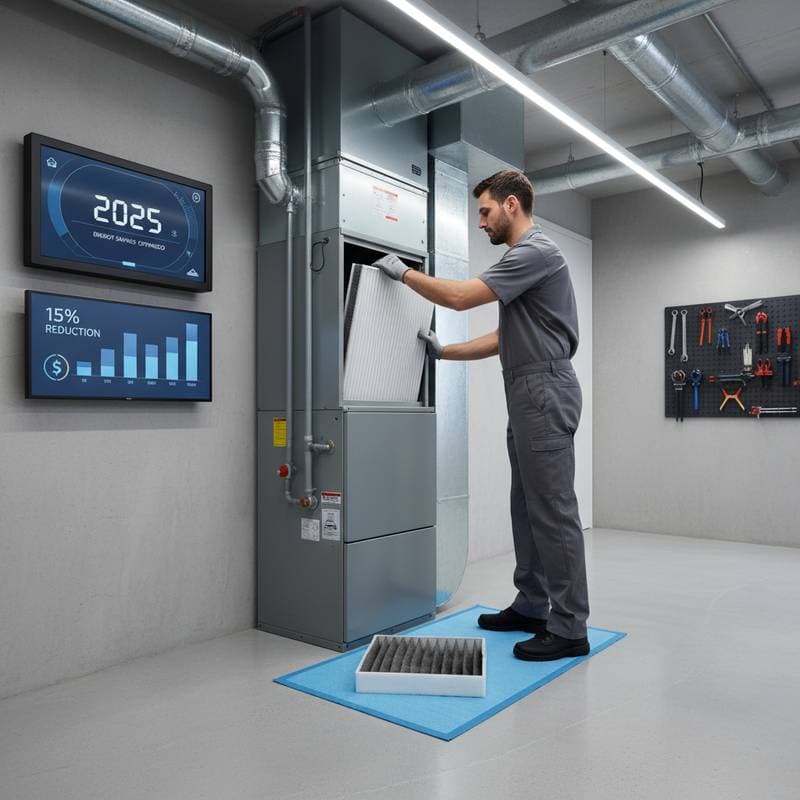
Clean HVAC filters play a vital role in maintaining system efficiency and indoor air quality. Dust and debris accumulation in filters restricts airflow, forcing the system to work harder and consume more energy. Studies indicate that replacing clogged filters can lower energy bills by up to 15 percent, while also extending equipment life by reducing strain on components like the blower motor and coils.
Homeowners often overlook filter maintenance until issues arise, such as uneven heating or cooling. Regular replacement ensures optimal performance, filters out pollutants, and supports healthier living environments. This guide provides a comprehensive approach to filter care, starting with replacement schedules tailored to different filter types.
Recommended Filter Replacement Schedule
Establishing a consistent replacement schedule forms the foundation of effective HVAC maintenance. The frequency depends on the filter type, household conditions, and environmental factors. Below is a baseline timeline for common filters.
- Basic fiberglass filters: Replace every 30 days. These disposable filters offer minimal resistance but capture only larger particles, making frequent changes essential in dusty environments.
- Pleated high-efficiency filters: Replace every 60 to 90 days. Their folded design increases surface area for better particle capture, suitable for moderate household use.
- Electrostatic or washable filters: Clean once a month and replace every 6 to 12 months as needed. Electrostatic models attract particles through static charge, while washable ones require thorough rinsing to restore effectiveness.
- HEPA filters: Inspect monthly and replace every 4 to 6 months. These advanced filters trap 99.97 percent of particles as small as 0.3 microns, ideal for superior air purification.
Adjust this schedule based on specific circumstances. Households with pets shed more dander, smokers introduce additional particulates, and allergy sufferers benefit from accelerated timelines. Residents near construction sites or high-pollen areas should inspect filters twice as often to prevent rapid clogging.
A homeowner shared in an online HVAC discussion, "I thought my system was fine until I pulled the filter and found it gray with dust. Replacing it monthly cut my energy bill by 20 percent." Such accounts highlight how adherence to a schedule safeguards both air quality and operational efficiency.
Selecting the Appropriate Filter Type
Choosing the right filter involves balancing filtration needs with system compatibility. Filters vary in construction, depth, and efficiency ratings, with the Minimum Efficiency Reporting Value (MERV) serving as the primary benchmark. MERV quantifies a filter's ability to capture particles ranging from 0.3 to 10 microns in size.
Consider these MERV categories when making a selection:
- MERV 1-4: Provides basic protection against large particles such as dust, lint, and carpet fibers. These suit budget-conscious setups or temporary applications where high filtration is unnecessary.
- MERV 5-8: Offers improved capture of dust mites, mold spores, and pet dander. This range works well for standard homes without significant air quality challenges.
- MERV 9-12: Delivers robust filtration for pollen, auto emissions, and lead dust. Most residential systems handle this level without compromising airflow.
- MERV 13-16: Excels at trapping bacteria, viruses, and smoke. Reserve these for homes with residents prone to allergies, asthma, or respiratory conditions, ensuring the HVAC unit supports the added resistance.
Higher MERV ratings enhance particle removal but may reduce airflow if the system lacks sufficient power. Consult the manufacturer's specifications or engage a technician to verify compatibility before upgrading. Proper selection prevents issues like reduced efficiency or premature component wear.
Handling Filter Replacement: DIY or Professional Assistance
Most filter changes require minimal tools and can be completed in minutes, empowering homeowners to manage this task independently. However, certain scenarios warrant professional involvement to avoid complications.
Opt for a DIY approach if the following conditions apply:
- The filter compartment is readily accessible, such as in a return air grille at eye level.
- The system employs standard rectangular filters that slide in without special fittings.
- You feel confident assessing proper installation, including correct airflow direction indicated by arrows on the filter frame.
Engage a professional technician in these cases:
- The filter resides in a hard-to-reach spot, like an attic or crawlspace, increasing fall risks.
- High-efficiency or custom filters demand precise alignment to maintain system balance.
- Symptoms of broader problems, such as persistent low airflow or unusual odors, suggest underlying ductwork issues.
Professionals perform comprehensive inspections during service calls, examining evaporator coils for dirt buildup, checking refrigerant levels, and testing thermostat accuracy. Annual maintenance plans often bundle filter replacements with these checks, providing peace of mind for those seeking hands-off care.
Integrating Smart Technology for Filter Management
Advancements in home automation simplify filter monitoring and replacement reminders. Smart thermostats equipped with sensors detect changes in airflow resistance, alerting users via app notifications or email when a filter nears the end of its life.
Leading brands like Honeywell and Ecobee integrate pressure differential sensors that measure the drop across the filter. As debris accumulates, resistance increases, triggering proactive alerts. This data-driven method surpasses traditional calendars, accounting for real-time usage patterns.
Connect these devices to voice assistants or centralized apps for seamless integration. Busy professionals or property managers overseeing multiple units find these features invaluable, as they automate tracking and reduce the risk of oversight. Investing in smart tools transforms routine maintenance into an effortless process.
Prioritizing Safety During Filter Changes
While filter replacement poses low risk, observing safety protocols minimizes exposure to contaminants and prevents accidents. Begin by powering down the HVAC system at the thermostat and breaker to halt fan operation and avoid circulating unfiltered air.
If the filter appears heavily soiled or shows mold growth, don the appropriate protective gear: disposable gloves to handle debris and a dust mask to guard against airborne particles. Slide out the old filter carefully, noting its orientation for the replacement.
Seal used disposable filters in plastic bags before disposal to contain dust. For reusable types, rinse under low-pressure water from a hose, avoiding household cleaners that could damage the media. Allow complete air-drying before reinstallation to prevent moisture-related issues.
Beyond equipment protection, clean filters mitigate health risks by lowering indoor pollutant levels. This proves particularly beneficial for vulnerable groups, including young children, elderly individuals, and those with chronic respiratory conditions, fostering a safer home atmosphere.
Strategies to Avoid Common Maintenance Pitfalls
Filter care integrates into a holistic HVAC preservation strategy. Complement replacements with periodic duct cleaning to remove embedded contaminants, sealing gaps around windows and doors to curb unconditioned air infiltration, and ensuring return vents remain free of obstructions like furniture.
Promote even airflow by keeping interior doors ajar during system operation, allowing consistent circulation throughout the home. Monitor for indicators of trouble, including hot or cold spots in rooms, rattling sounds from the unit, or unexplained spikes in utility costs, which often signal a clogged filter or related inefficiency.
When purchasing replacements, measure the existing filter precisely and capture its specifications with a photograph. Install with the airflow arrow pointing toward the furnace or air handler; incorrect placement allows unfiltered air to bypass the media, diminishing effectiveness and permitting dust circulation.
Realizing Long-Term Benefits from Consistent Care
Adopting a disciplined filter maintenance routine yields substantial returns on your HVAC investment. Steady airflow preserves energy efficiency, averting the 15 percent cost increase associated with dirty filters, while superior air quality diminishes allergy symptoms and enhances overall well-being.
This practice extends system longevity, potentially adding years to the unit's service life and deferring expensive repairs or full replacements. Homeowners who prioritize these steps enjoy reliable comfort, fresher indoor environments, and optimized performance tailored to their lifestyle needs.




