Bathroom Upgrades That Maximize ROI in 2025
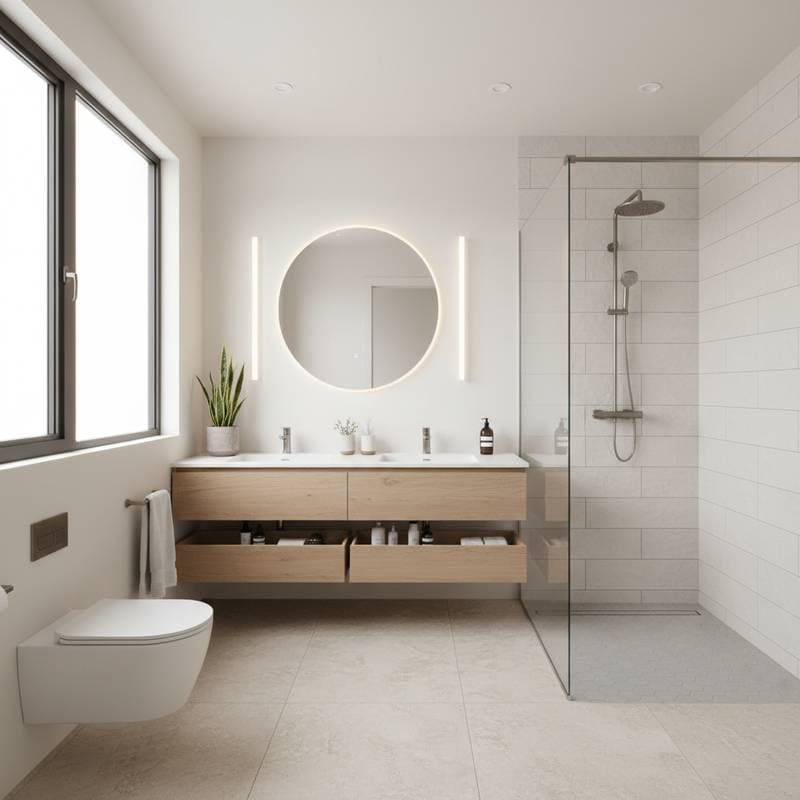
A bathroom remodel ranks among the top home improvement projects for delivering strong returns. Thoughtful updates in this space enhance comfort and property value. Many homeowners face challenges in selecting changes that provide real benefits. Not all upgrades increase value significantly, and some appear attractive yet consume resources without justification. The essential approach balances design with practicality, ensuring each expenditure yields tangible and financial outcomes.
This guide outlines the most effective bathroom upgrades for optimizing return on investment. Readers gain insights into durable materials, buyer-appealing fixtures, accessibility planning, and scenarios requiring professional installation. The objective supports informed spending that results in a refreshed, efficient bathroom contributing enduring value to the home.
Quick Wins That Deliver Strong ROI
Prior to undertaking complete remodels, consider modest improvements offering rapid visual and functional benefits. These enhancements typically complete over a weekend with basic tools.
1. Replace Old Faucets and Showerheads
Outdated fixtures render a clean bathroom outdated. Exchange them for contemporary, water-efficient options to revitalize the area immediately. Select WaterSense certified models, which reduce water usage by 20 percent compared to standard versions while preserving flow strength. A premium brushed nickel faucet ranges from 80 to 150 dollars, and a comprehensive showerhead kit including a handheld sprayer costs 100 to 250 dollars. Installation proceeds in approximately one hour using adjustable wrenches and plumber's tape.
2. Refresh Grout and Caulking
Discolored grout lines convey neglect in a bathroom. Regrouting tile involves costs of 1 to 3 dollars per square foot, whereas recaulking around tubs and sinks requires 50 to 100 dollars in materials. Opt for mildew-resistant silicone caulk and verify that surfaces remain fully dry prior to application. This minor effort restores a pristine look and averts expensive water damage in the future.
3. Upgrade Lighting for Better Brightness
Lighting influences bathroom ambiance profoundly. Substitute outdated fluorescent units with LED vanity lights emitting 2700 to 3000 Kelvin for a warm, complimentary illumination. Incorporate a dimmer switch to enable adjustments for tasks or ambiance. Budget 100 to 400 dollars for fixtures and 50 dollars for the dimmer kit. Deactivate the circuit breaker before managing any electrical components.
Energy Efficiency and Water Savings
Upgrades focused on energy and water conservation generate ongoing savings and attract environmentally aware buyers. These modifications also lower utility expenses, thereby enhancing return on investment indirectly.
- Low-flow toilets: These models employ 1.28 gallons per flush, versus 3 to 5 gallons in older units. Prices fall between 200 and 400 dollars.
- Tankless water heaters: Such systems deliver hot water on demand and conserve space. Installation expenses range from 1,200 to 2,500 dollars, with potential reductions in heating costs up to 30 percent.
- LED lighting: This technology uses up to 75 percent less energy than incandescent alternatives. Bulbs endure approximately 25 times longer, minimizing replacement needs.
- Insulated windows or skylights: These elements enhance natural illumination and mitigate humidity accumulation, although retrofitting per opening costs 500 to 1,000 dollars.
During home sales, these efficiency features frequently highlight strengths that support elevated pricing.
Common Mistakes That Lower ROI
Despite good intentions, specific design or financial missteps erode potential returns. Sidestep these issues to maintain project momentum.
-
Over-customizing design choices: Elaborate color palettes or opulent finishes narrow buyer interest. Choose neutral shades such as soft gray, beige, or white for walls and tiles.
-
Ignoring ventilation: Inadequate airflow promotes mold growth and paint degradation. Equip the space with an exhaust fan calibrated at 1 cubic foot per minute per square foot of floor area.
-
Skipping waterproofing: Apply a waterproof membrane behind shower tiles consistently. Remedying water damage often surpasses 5,000 dollars, negating investment gains.
-
Underestimating lighting: Reliance on a lone overhead light proves insufficient. Integrate overhead, task, and accent options to emphasize utility and aesthetics.
-
DIYing beyond your skill level: Precision defines plumbing and electrical tasks. Errors lead to leaks or regulatory infractions that diminish property worth.
DIY or Hire a Pro?
Certain bathroom initiatives suit skilled DIY participants, whereas others necessitate expert intervention. The following table aids decision-making.
| Project Type | DIY Feasibility | Tools Needed | When to Hire a Pro |
|---|---|---|---|
| Paint walls or cabinets | High | Rollers, brushes, painter's tape | Rarely needed |
| Install faucet or showerhead | Moderate | Wrenches, plumber's tape | If leaks persist |
| Replace vanity | Moderate | Level, drill, silicone sealant | If plumbing needs relocation |
| Tile installation | Low to moderate | Tile saw, spacers, trowel | For custom layouts or waterproofing |
| Electrical or lighting rewiring | Low | Voltage tester, screwdriver | Always hire a licensed electrician |
Professional remodelers charge 75 to 120 dollars per hour, guaranteeing adherence to codes and minimizing errors. Confirm insurance coverage and references prior to agreements.
Budget Planning and Cost Breakdown
Bathroom remodel expenditures differ considerably, yet comprehension of allocations optimizes resource distribution. Typical spending spans 6,000 to 20,000 dollars based on dimensions and quality.
| Component | Budget Percentage | Cost Range |
|---|---|---|
| Fixtures (toilet, sink, tub) | 15% | 800 to 3,000 dollars |
| Tile and flooring | 20% | 1,200 to 4,000 dollars |
| Cabinetry and countertops | 25% | 1,500 to 5,000 dollars |
| Plumbing and electrical | 20% | 1,000 to 4,000 dollars |
| Labor and permits | 20% | 1,000 to 4,000 dollars |
Reserve at least 10 percent of the total for contingencies, such as subfloor repairs or legacy wiring issues.
Long-Term Value and Maintenance Tips
Freshly updated bathrooms demand consistent upkeep to preserve appearance and structural integrity. Seal grout annually, remove mineral deposits from fixtures monthly, and inspect caulk for fissures biannually. Employ mild cleaners to safeguard faucet and tile finishes. Address deteriorated shower door seals swiftly to halt moisture intrusion.
For impending sales, retain receipts and warranties. Documentation validates superior materials and workmanship, instilling confidence in prospective buyers. Proper maintenance sustains allure and signals diligent home stewardship.
Steps to Launch Your Bathroom Upgrade
Initiate the process by assessing current needs and establishing a realistic budget. Consult local market trends to align choices with buyer preferences. Schedule consultations with contractors early to secure timelines. Track progress against plans to ensure efficiency. These measures position the project for success, yielding a bathroom that enhances daily life and future marketability.