Boost Home Value: Bathroom Remodel ROI for 2025
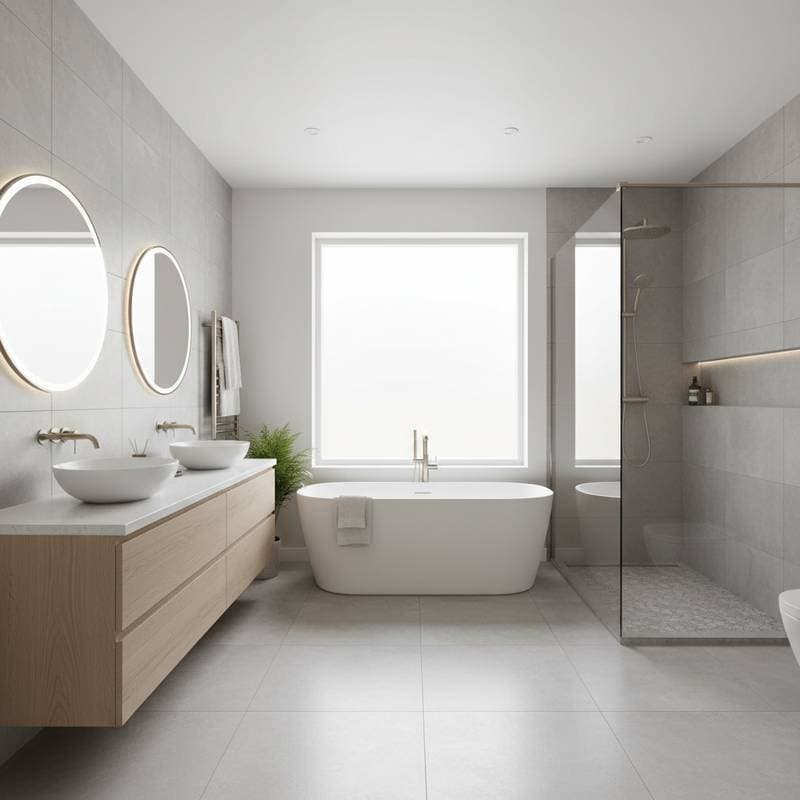
Bathroom remodeling stands out as a dependable strategy for enhancing a home's market value. Homeowners frequently find that targeted improvements in this essential space yield substantial returns during sales or refinancing processes. A thoughtfully updated bathroom conveys hygiene, relaxation, and contemporary functionality, qualities that resonate strongly with prospective buyers.
The return on investment for these projects fluctuates based on choices in materials, structural modifications, and the extent of the renovation, whether a comprehensive overhaul or a focused update. By grasping these elements, individuals can establish a practical budget that aligns expenditures with enduring enhancements to property worth.
Understanding ROI Trends in 2025
Recent analyses indicate that bathroom remodels in 2025 recoup between 70 and 80 percent of invested costs, surpassing many other home improvement categories. This strong performance stems from the bathroom's role as a high-traffic area where buyers prioritize modern amenities and durability. Factors such as energy-efficient fixtures and spa-like features contribute to this appeal, particularly in markets favoring sustainable and luxurious living spaces.
For instance, incorporating low-flow toilets and LED lighting not only reduces utility bills but also attracts eco-conscious purchasers. Homes with these upgrades often sell 10 to 15 percent faster, according to industry observations. Homeowners who align renovations with current trends, like minimalist designs or smart technology integration, position their properties advantageously in competitive real estate landscapes.
Typical Cost Ranges and Influencing Factors
Expenses for bathroom remodels hinge on the room's dimensions, the ambition of the design, and selections in materials. A modest refresh for a powder room typically ranges from $3,000 to $15,000, whereas a complete transformation of a master bathroom may exceed $30,000, potentially climbing to $50,000 for custom elements.
Several elements drive these costs:
- Plumbing modifications: Relocating pipes, drains, or fixtures demands additional labor and can add $2,000 to $5,000.
- Flooring and surfacing options: Durable porcelain tiles cost $5 to $10 per square foot, while premium natural stone selections range from $15 to $25 per square foot, far outpacing budget vinyl at $2 to $5.
- Apparatus and accents: Designer faucets and rain showerheads elevate aesthetics but increase budgets by $500 to $2,000 per item; energy-efficient models offer long-term savings.
- Workforce expenses: Labor varies regionally, with urban areas charging 20 to 30 percent more than rural locations due to higher demand and material transport costs.
Prioritizing enhancements in high-visibility areas, such as countertops and illumination, allows homeowners to optimize returns without excessive outlays. Selecting versatile, timeless finishes ensures the space remains appealing over time.
DIY Versus Professional Approaches
Undertaking a bathroom remodel personally presents opportunities for personalization and cost control, yet it involves potential pitfalls, especially with structural components.
Tasks suitable for DIY efforts include:
- Repainting walls and cabinetry to refresh the palette.
- Mounting accessories like towel racks, shelves, or frameless mirrors.
- Swapping out light fixtures where electrical setups remain unchanged.
Elements requiring professional expertise encompass:
- Repositioning plumbing infrastructure or installing additional drainage systems.
- Laying tiles or stone surfaces that demand exact alignment and adhesion.
- Applying waterproof membranes to showers and enclosures to prevent moisture damage.
Engaging certified contractors proves beneficial for the majority, as they deliver efficiency, adhere to regulations, and provide warranties that bolster confidence. Such professionals mitigate risks like leaks or code violations, which could diminish property value if discovered during inspections.
Strategies to Control Costs While Upholding Standards
Smart planning enables homeowners to execute impressive remodels within financial limits by preserving functional aspects and emphasizing impactful changes.
Proven methods for economical yet effective updates feature:
- Retaining the current footprint to sidestep expensive plumbing shifts, saving up to $4,000.
- Restoring existing bathtubs or vanities through refinishing processes, which cost $400 to $800 compared to $2,000 for full replacements.
- Opting for mid-tier fixtures from trusted manufacturers, balancing style and longevity without premium pricing.
- Employing oversized tiles that minimize seams and installation time, reducing labor by 15 to 20 percent.
Insights from renovation communities highlight that blending cost-effective products with skilled execution yields outcomes rivaling high-end projects. Attention to detail in installation often outweighs the allure of designer labels, ensuring a cohesive and inviting result.
Integrating 2025 Trends for Maximum Impact
This year, trends emphasize sustainability and technology, offering avenues to amplify ROI. Install motion-sensor faucets or voice-activated mirrors to modernize the space, appealing to tech-savvy demographics and potentially increasing home value by 5 percent.
Eco-friendly choices, such as recycled glass countertops or bamboo cabinetry, align with growing environmental awareness. These materials not only lower ongoing costs through better insulation but also qualify for potential rebates in green building incentives. A blend of these innovations with classic layouts creates versatile bathrooms that serve families now and impress buyers later.
Safeguarding and Extending Your Remodel's Value
A meticulously planned bathroom renovation yields both monetary gains and everyday advantages. Those aiming to sell benefit from a standout feature that accelerates offers and elevates perceived worth. Daily users enjoy heightened usability and fewer repairs, transforming routine routines into pleasurable experiences.
To sustain this investment, implement regular cleaning protocols and inspect seals annually for wear. By choosing resilient materials and enlisting reputable artisans, homeowners craft enduring spaces that enhance living quality and secure financial returns for the foreseeable future.