Prevent Costly Repairs Through Annual Tankless Water Heater Maintenance
Tankless water heaters offer on-demand hot water, energy savings, and compact design. However, without regular upkeep, mineral buildup and wear can lead to inefficiency and expensive fixes. A structured annual maintenance routine allows homeowners to manage most tasks independently, ensuring optimal performance and longevity.
Importance of Routine Maintenance for Tankless Systems
Tankless units heat water instantly as it flows through the heat exchanger, subjecting internal components to constant exposure. Minerals from hard water, such as calcium and magnesium, accumulate over time, forming scale that insulates the exchanger and reduces heat transfer. This buildup decreases efficiency by up to 10 percent per millimeter of scale, raising energy costs and risking overheating.
Annual cleaning maintains steady water temperature, cuts utility expenses, and identifies issues early. Regular checks prevent sudden failures, extending the unit's lifespan beyond the typical 20 years with proper care.
Essential Annual Maintenance Checklist
Follow this streamlined schedule to keep the system reliable:
- Quarterly inlet filter cleaning: Inspect and clean every three months to prevent sediment restriction.
- Annual descaling flush: Use vinegar to dissolve mineral deposits once a year.
- Visual inspection: Examine connections, vents, and components for damage or leaks.
- Performance testing: Verify flow and temperature consistency across fixtures.
- Error code review: Scan the display for alerts and address them promptly.
This routine requires about one to two hours annually and avoids repair bills ranging from 200 to 800 dollars.
Cleaning the Inlet Filter
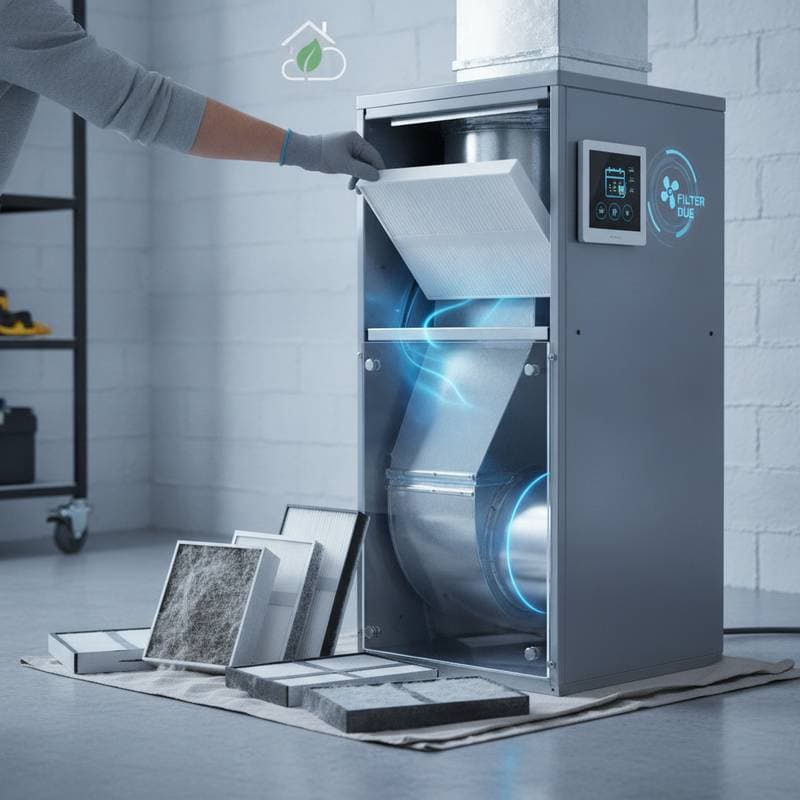
The inlet filter screens out debris from the cold water supply, protecting the heat exchanger from clogs. Locate it at the unit's base where the inlet pipe connects. Gather a screwdriver, bucket, and soft brush for the task.
- Isolate the water supply valve.
- Unscrew the filter housing and extract the mesh screen.
- Rinse thoroughly under fresh water, brushing away particles.
- Reassemble securely and restore water flow.
In areas with high sediment, increase checks to bimonthly. A blocked filter reduces water flow, activates safety shutoffs, and may cause error codes.
Performing the Descaling Flush
Descaling clears scale from the heat exchanger to restore full efficiency. Prepare a submersible pump, two hoses, a five-gallon bucket, and four gallons of white vinegar. This process recirculates the solution to dissolve deposits effectively.
- Disconnect power and water supplies.
- Connect hoses to the unit's service valves on hot and cold lines.
- Submerge the pump in the vinegar-filled bucket; route the return hose back to the bucket.
- Operate the pump for 45 minutes to circulate the solution.
- Rinse the system with fresh water for five minutes to remove remnants.
Schedule this flush annually, or semiannually in hard water regions exceeding 10 grains per gallon. Neglect leads to reduced output, higher energy use, and heat exchanger replacement costs over 800 dollars.
Adapting for Hard Water Conditions
Homes with water hardness above 10 grains per gallon benefit from a dedicated softener or sediment pre-filter. These additions minimize scale formation and can extend the heater's operational life by years.
Conducting a Visual Inspection
Routine checks reveal wear before it escalates. Examine pipe joints, fittings, and the pressure relief valve for drips, corrosion, or discoloration. Water marks or rust indicate potential leaks that demand immediate attention.
Inspect the venting setup for blockages, gaps, or loose connections. Clear debris from intake and exhaust areas, and secure all clamps. Proper venting prevents combustion issues and maintains safe operation.
Testing System Performance
After completing prior steps, reconnect power and water. Activate hot water at several fixtures simultaneously to assess pressure and temperature stability. Fluctuations suggest residual scale or sensor problems.
Advanced models offer diagnostic displays showing inlet/outlet temperatures and flow rates. Note any temperature differential exceeding 25 degrees Fahrenheit, which points to internal restrictions requiring further action.
Interpreting Error Codes
Digital interfaces on tankless units alert users to faults via codes. Familiarize yourself with these common indicators:
- Code 10: Indicates exhaust pathway obstruction; clear vents immediately.
- Code 11: Signals ignition component failure; check gas supply.
- Code 12: Denotes flame detection loss; inspect burner area.
- Code 29: Points to condensate drainage blockage; clean lines.
- Code 61: Reveals fan motor malfunction; verify electrical connections.
Consult the owner's manual for resolution steps. Simple fixes like filter cleaning often suffice, but recurring codes necessitate professional intervention.
Pitfalls to Sidestep in Maintenance
Homeowners often overlook key details during upkeep. Failing to flush allows irreversible scale damage to the exchanger. Harsh cleaners beyond vinegar risk corrosion; adhere to approved mild solutions.
Always de-energize the unit before work to avoid electrical hazards. Address minor leaks promptly to prevent structural damage. Replace service port gaskets every few years for reliable seals.
Signs That Require Professional Assistance
While DIY handles routine care, certain symptoms warrant expert help. Inconsistent heating, extensive corrosion, or unusual odors signal deeper issues like gas line problems or burner faults. Licensed technicians use precise tools for pressure tests and calibrations.
Annual professional inspections cost 150 to 300 dollars, offering peace of mind and preventing premature replacement. This investment supports decades of reliable service.
Accommodations for Accessibility
Wall-mounted units may pose challenges for those with mobility limitations. A stable step platform aids access, or plan for lower installation during renovations to simplify future maintenance.
Required Tools for Effective Upkeep
Assemble these items for thorough maintenance:
- Submersible pump rated at 1/6 horsepower or greater
- Two 3/4-inch hoses, each five feet long
- Five-gallon bucket
- Four gallons of white vinegar
- Adjustable wrench
- Soft-bristle brush
- Screwdriver set
- Absorbent cloths
Establishing a Sustainable Maintenance Routine
Integrate these steps into your calendar to safeguard your investment. Dedicate time each year to this process, ensuring uninterrupted hot water and minimized costs. Consistent effort yields long-term efficiency and home comfort.