Prepare for Peak Comfort: The 2025 AC Tune-Up Guide
Air conditioners face intense demands as summer temperatures rise. Professional tune-ups maintain optimal performance, ward off failures, and control energy expenses. Homeowners benefit from early scheduling, which secures availability and often secures lower rates before seasonal demand surges.
This resource explains tune-up essentials, pricing details, and preparation strategies. Readers gain practical knowledge to make informed decisions for system longevity and efficiency.
Understanding AC Tune-Up Costs
Tune-up expenses differ by region, service scope, and equipment specifics. Nationally, a basic residential inspection and cleaning averages $80 to $200. Factors such as unit accessibility or intricate designs can elevate these figures.
Coastal areas experience higher rates due to corrosion from salt air and humidity. Urban locations command premiums over rural ones because of elevated operational costs. Demand peaks in early spring and late summer, prompting technicians to offer incentives for off-peak appointments.
Broader economic trends, including fluctuating refrigerant prices and labor wages, also shape costs. The Air Conditioning Contractors of America reports that 60 percent of contractors revise rates yearly to account for material and energy shifts.
Common Pricing Approaches
Providers employ diverse billing methods for tune-ups. Hourly charges typically range from $70 to $120, though flat fees dominate for standard visits given their predictable duration.
Project pricing emerges if inspections uncover repairs or enhancements. Maintenance packages gain traction, bundling annual visits, priority access, and part discounts. Annual subscriptions, priced at $150 to $300, cover two inspections and emergency assistance, yielding savings for regular users.
Service Levels and Associated Costs
Maintenance options divide into distinct tiers, each with defined inclusions and price ranges.
Basic Tier focuses on visual checks, filter swaps, and thermostat adjustments, costing $80 to $100.
Standard Tier incorporates coil cleaning, refrigerant verification, and electrical assessments, priced at $100 to $150.
Premium Tier features duct testing, thorough unit cleaning, and efficiency tuning, ranging from $150 to $250.
Custom Tier addresses specialized needs like leak repairs or compressor diagnostics, often surpassing $250 based on complexity.
Factors Shaping Tune-Up Expenses
Multiple elements influence final costs and service duration. System size dictates refrigerant needs and cleaning time; larger units demand more resources.
Advanced systems with variable speeds or smart features require precise sensor adjustments, extending labor. Equipment age and upkeep status matter greatly; deferred maintenance invites additional cleaning or replacements.
Appointments last 45 minutes to two hours typically. Supplies like filters, cleaners, and refrigerants add variable charges tied to quality and specifications.
Optional Enhancements and Extra Fees
Technicians frequently suggest add-ons to optimize systems and prolong lifespan.
Duct Cleaning removes accumulated debris to improve airflow, averaging $300 to $500 for standard homes.
Refrigerant Replenishment addresses low levels, costing $100 to $300 depending on the refrigerant variety.
Thermostat Installation for smart models enhances control and savings, with labor at $100 to $200 excluding hardware.
Rush Appointments incur 20 to 50 percent surcharges for urgent needs.
Bundling these during a single visit minimizes repeated fees and maximizes value.
Core Components of a Professional Tune-Up
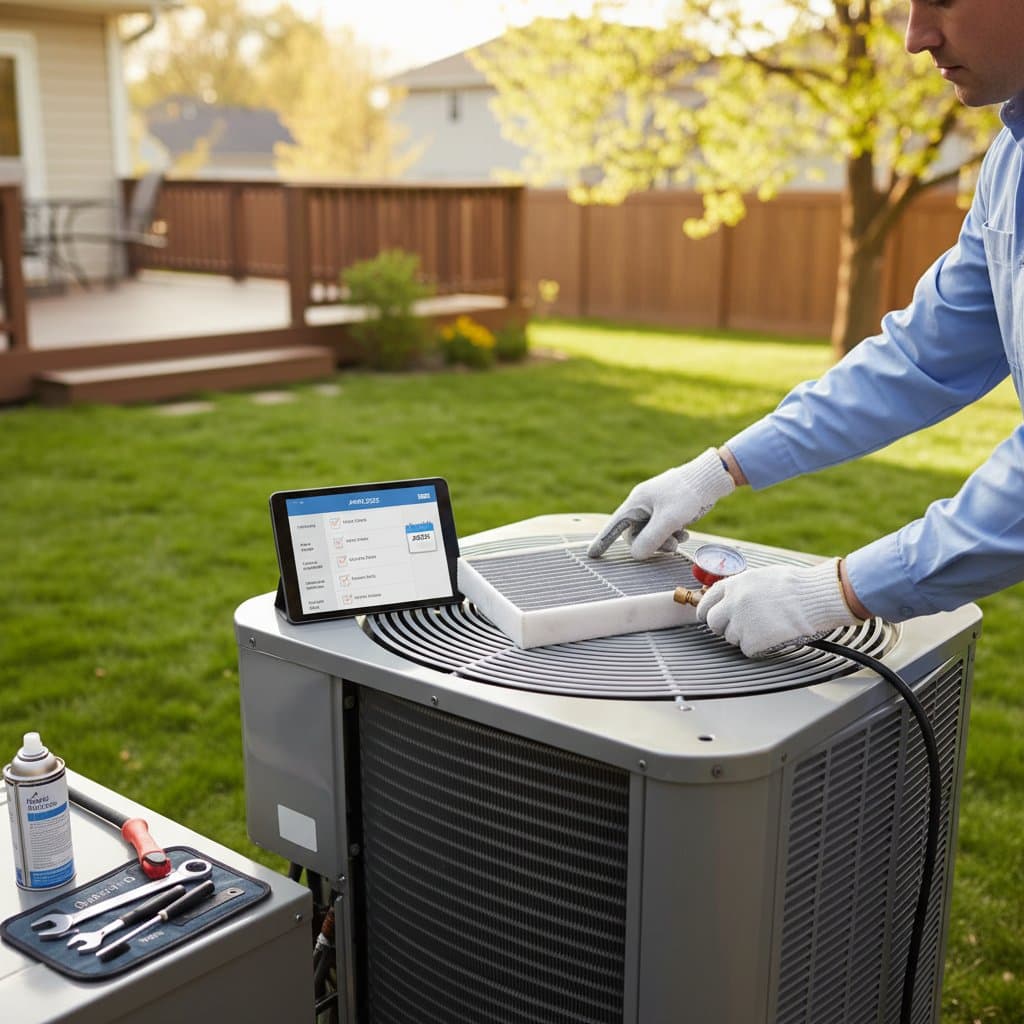
Technicians adhere to systematic protocols for comprehensive evaluations. These steps verify operational integrity across all elements.
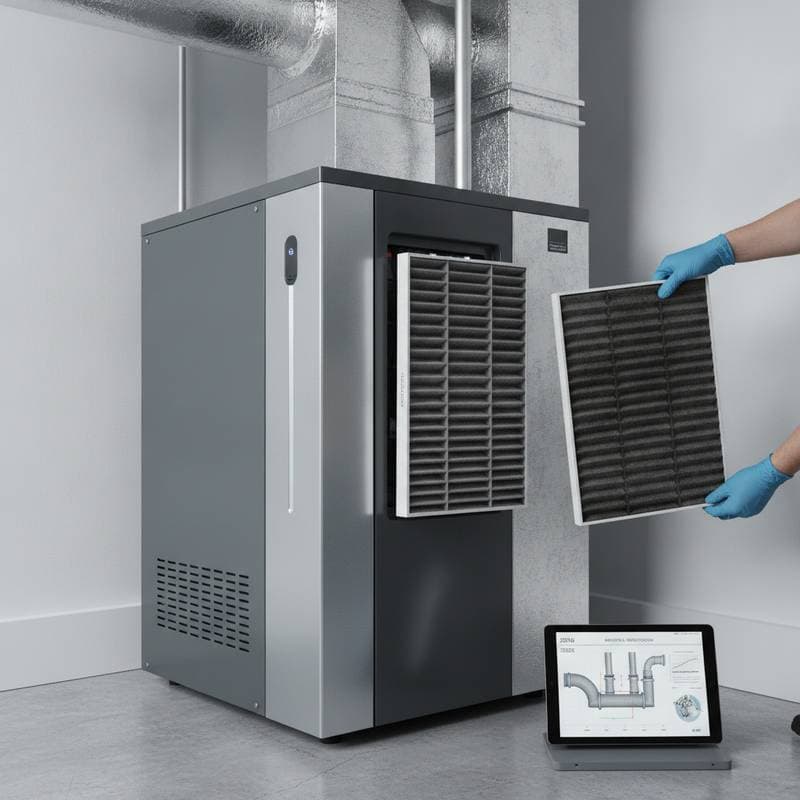
- Examine and install new air filters to optimize airflow.
- Clean condenser and evaporator coils to eliminate obstructions hindering heat exchange.
- Verify refrigerant charges and scan for leaks or imbalances.
- Evaluate electrical wiring for secure, hazard-free function.
- Apply lubrication to fans and motors to minimize wear.
- Clear condensate drains to avert overflows and microbial buildup.
- Adjust thermostat for precise regulation.
- Assess overall efficiency via temperature drops and air velocity measurements.
Such diligence promotes reliable operation and mitigates summer disruptions.
Professional Advice and Homeowner Strategies
Experts emphasize that routine care averts most malfunctions. Michael Torres, a certified HVAC instructor with the National Comfort Institute, notes that overlooked details like dirty filters or loose connections precipitate major issues.
Studies from energy groups indicate maintained units consume 15 to 20 percent less power, translating to reduced bills and lesser environmental strain. Annual servicing often fulfills warranty conditions, safeguarding against claim denials.
Select providers with NATE certification or equivalent credentials for assured expertise. Request detailed estimates outlining inclusions to prevent unforeseen charges.
Steps to Schedule and Prepare
Act promptly to align service with emerging warmth, ideally in March or April. Inspect filters and thermostat functionality as initial self-checks. Engage a licensed HVAC firm offering adaptable slots, detailed reports, and responsive support.
Document all services for records. This preparation yields a resilient system, ensuring comfort without interruptions and fostering long-term savings.