Prepare Your Air Conditioner for Summer: Avoid Heat-Related Issues
As temperatures rise, your air conditioner serves as the primary shield against heat and humidity. Many homeowners overlook the need for seasonal maintenance, which keeps the system efficient. A short preparation period now prevents breakdowns and expensive repairs during peak heat.
Conduct a Visual Inspection
Begin with a thorough visual check before operating the unit. Examine the outdoor condenser for dirt, corrosion, or loose components. Remove leaves, grass, or debris within a two-foot radius to ensure unobstructed airflow. Restrictions here compel the system to labor excessively, which elevates energy consumption and diminishes cooling effectiveness.
Indoors, detach vent covers and wipe away accumulated dust. Clean vents enhance indoor air quality and promote even distribution of cooled air. Spotting mold or excess moisture near vents indicates potential drainage problems or a blocked condensate line requiring prompt attention.
Replace or Clean the Air Filter
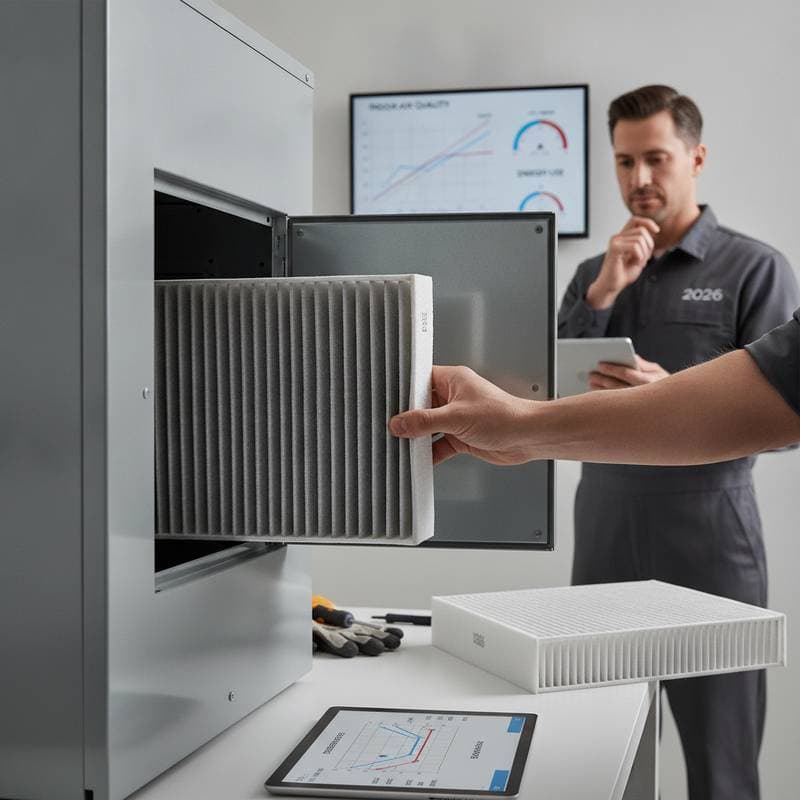
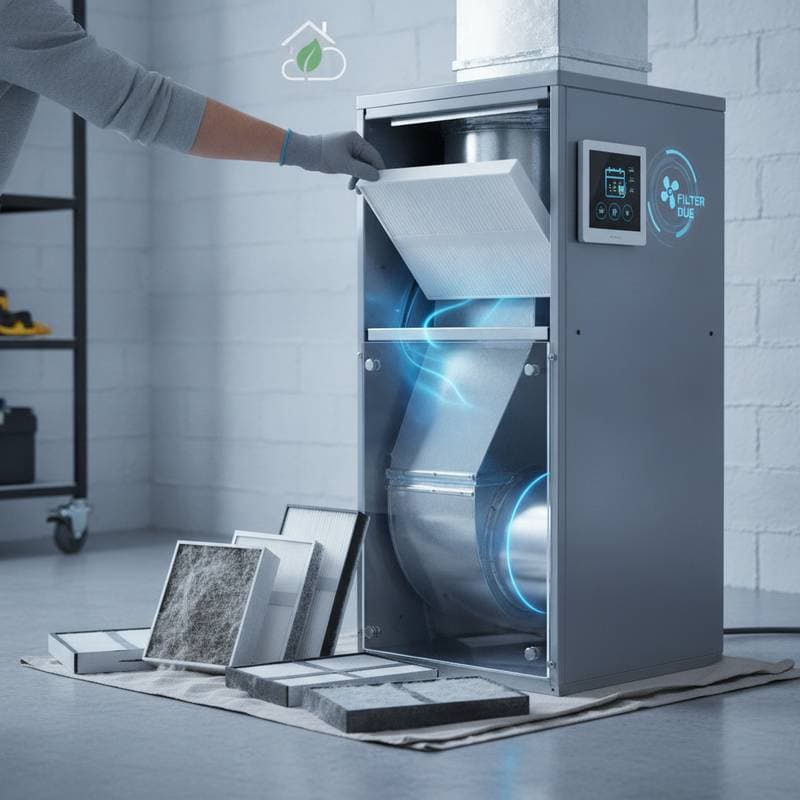
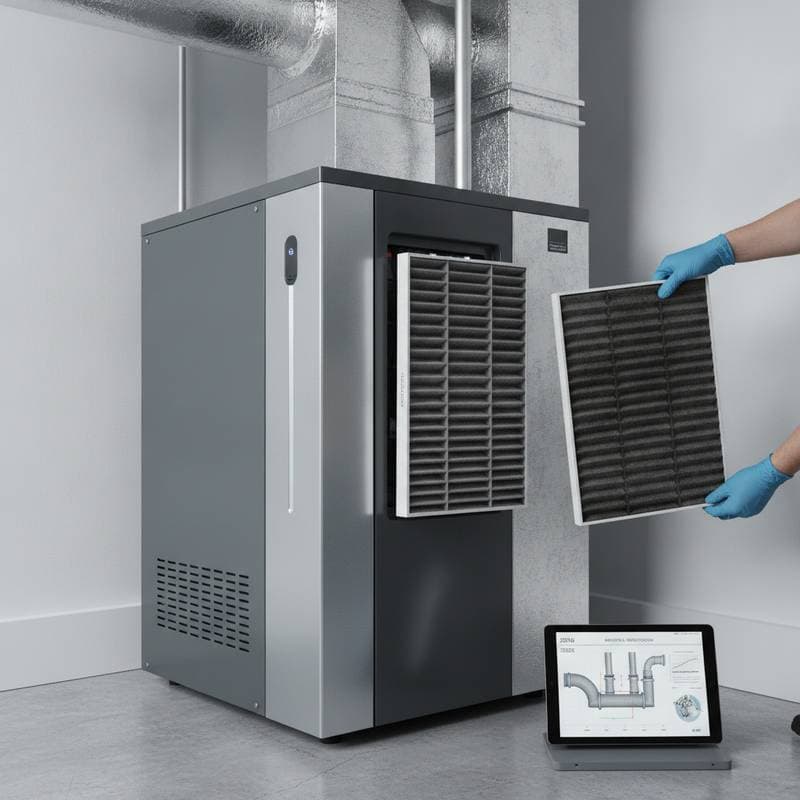
A clogged air filter restricts airflow, forcing the air conditioner to operate inefficiently and potentially reducing performance by up to 15 percent, as noted by HVAC professionals. Replace disposable filters every one to three months, or wash and dry reusable ones before reinstallation. Select filters with an appropriate MERV rating for your system; higher-efficiency options capture more particles but may impede flow if incompatible with the unit.
To replace a filter, locate the access panel, typically near the return air duct or furnace. Slide out the old filter, note the airflow direction arrow, and insert the new one matching the size. This simple task improves efficiency and extends equipment life.
Verify Thermostat Settings
Switch the thermostat to cooling mode and run the system for several minutes. If the output air remains warm, professional intervention may be necessary. Smart thermostats optimize energy use by adapting to your routine and adjusting temperatures accordingly.
For legacy models, install a programmable thermostat to prevent unnecessary operation during absences. Set schedules for occupied and unoccupied periods, such as raising the temperature by four degrees when away, to achieve noticeable savings without sacrificing comfort.
Clean the Coils and Fins
Dust and debris accumulate on evaporator and condenser coils over time, hindering heat exchange. Gently brush or vacuum the coils using a soft attachment to remove surface buildup. Apply a commercial coil cleaner for stubborn grime, allowing it to penetrate before rinsing if required.
Use a fin comb to realign any bent fins on the coils, restoring optimal airflow. These maintenance actions prolong the unit's durability and sustain high efficiency levels. Perform this cleaning annually or more frequently in dusty environments.
Examine the Refrigerant Lines
Refrigerant lines transport coolant that extracts indoor heat. Inspect for cracks, rust, or deteriorated insulation along the lines. Oily spots at connections suggest a possible leak, which demands expert repair to avoid compressor damage.
Low refrigerant not only weakens cooling but also increases energy demands. Professionals use specialized tools to detect and seal leaks, then recharge the system to manufacturer specifications. Avoid handling refrigerant yourself due to its regulated nature.
Test the Drain Line and Pan
The air conditioner dehumidifies indoor air, directing condensate through a drain line to a pan or exterior drain. Algae and debris often obstruct this path, leading to backups. Flush the line with a vinegar-water solution to dissolve blockages and inhibit growth.
Empty the drain pan, scrub it clean, and ensure proper slope for drainage. This prevents mold proliferation, unpleasant odors, and potential water damage to surrounding areas. Regular checks maintain humidity control and system reliability.
Arrange a Professional Tune-Up
Homeowners can manage basic tasks, but an annual inspection by a certified HVAC technician uncovers concealed problems. Technicians evaluate electrical components, assess refrigerant levels, lubricate mechanisms, and fine-tune the thermostat. Such service reduces cooling expenses by up to 20 percent and prolongs equipment longevity by years.
For aging units or those with persistent faults, experts assess replacement viability. Modern systems feature superior SEER ratings for enhanced energy efficiency and uniform cooling, yielding long-term financial benefits.
Plan a Maintenance Budget
Seasonal upkeep costs far less than emergency fixes for most households. Allocate funds each spring for filters, cleaning supplies, and inspections to avert major outlays. Track maintenance history in a log to spot patterns and address issues proactively.
Typical expenses include $10 to $30 for filters and $100 to $200 for tune-ups, depending on location and system complexity. This investment safeguards against repair bills that often exceed $1,000.
Prioritize Safety in Maintenance
Shut off power at the circuit breaker prior to any cleaning or panel access. Don protective gloves and eyewear when using cleaners or inspecting lines. Refrain from forcing bent fins or accessing sealed sections to prevent injury or further damage.
If a task exceeds your expertise, engage a professional immediately. Electrical hazards and refrigerant exposure pose serious risks without proper training.
Ensure Year-Round System Reliability
Summer preparation equips your air conditioner for dependable performance during intense heat. A well-maintained unit delivers quicker cooling, conserves energy, and endures longer. Through personal efforts or expert assistance, proactive care secures comfort and efficiency season after season.