Essential Reasons to Swap Your HVAC Filter This Fall
Cooler temperatures signal the transition to heating season, where your HVAC system takes center stage in maintaining home comfort. However, the often-overlooked HVAC filter plays a pivotal role in this shift. Regular replacement before increased usage preserves air purity, optimizes energy efficiency, and safeguards system components from premature wear.
The Importance of Seasonal Timing
In fall, your HVAC unit transitions from air conditioning to heating duties. Summer residues such as dust, pollen, and debris accumulate in the filter, creating blockages. When heating activates, these contaminants restrict airflow, distribute allergens, and force the system to labor excessively.
A fresh filter mitigates these challenges by facilitating unrestricted air movement and enhancing overall indoor air quality. Maintenance professionals recommend this seasonal update as a foundational step. Homeowners who incorporate it into their routines frequently experience improved ventilation and consistent temperatures across living spaces.
Indicators That Demand Immediate Replacement
Identifying a clogged filter requires no specialized tools or expertise. Observe these common symptoms to act promptly:
- Persistent dust accumulation around vents despite regular cleaning.
- Extended heating cycles or inconsistent warmth in different rooms.
- Unexpected increases in energy bills without changes in usage patterns.
- Obvious grime or discoloration on the filter's surface.
These signs point to airflow obstruction, which can escalate into expensive repairs if ignored. Addressing them through timely replacement maintains system reliability and homeowner peace of mind.
Guide to Performing a Safe Filter Replacement
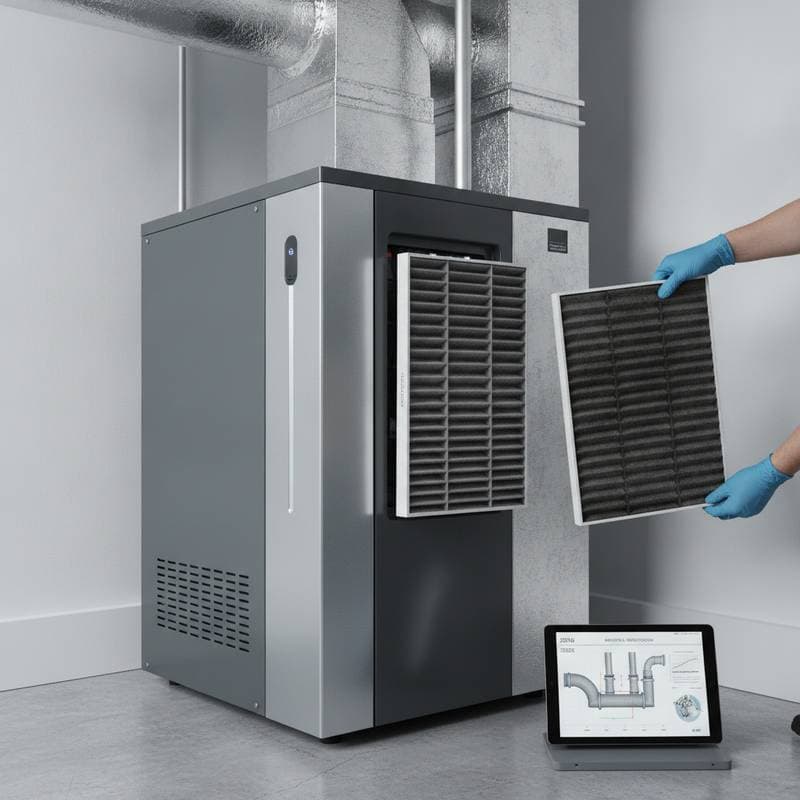
This maintenance task demands minimal time and effort, typically completing in under ten minutes. Adhere to these steps for effective execution:
-
Deactivate power to the HVAC system via the thermostat to ensure safety.
-
Identify the filter compartment, commonly located in the return air grille or within the air handler unit.
-
Extract the existing filter, and record the directional airflow arrows indicated on its frame.
-
Position the new filter so the arrows align with the original airflow path.
-
Reattach the access panel securely and restore power to test operation.
Prior to purchase, verify the dimensions marked on the old filter's edge. Selecting the precise fit promotes a snug installation, preventing air leaks and maximizing filtration efficacy.
Selecting the Optimal Filter for Your Needs
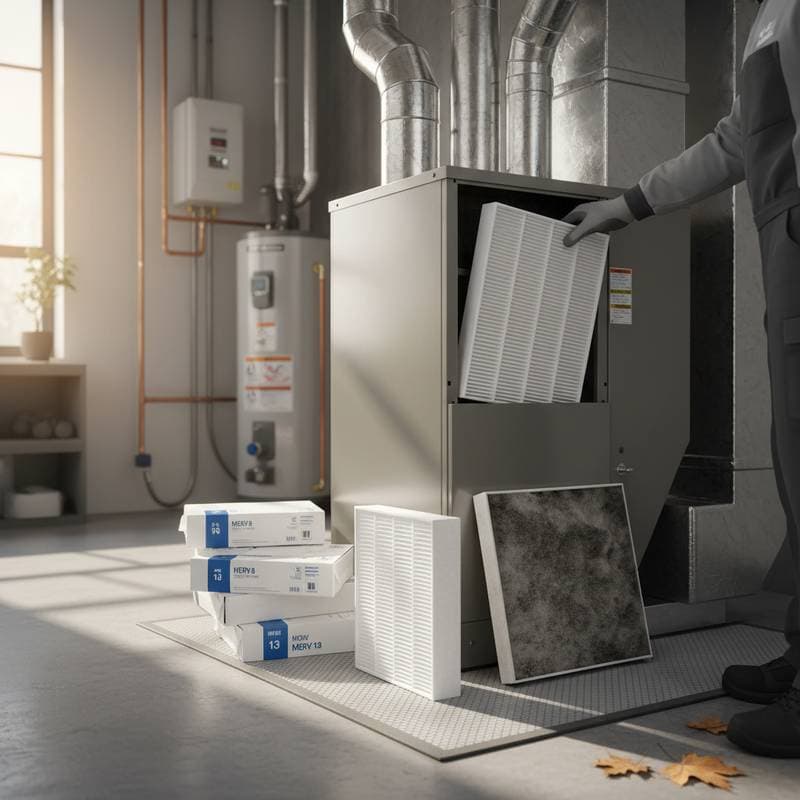
Filters differ in construction and efficiency ratings, catering to diverse household requirements. Consider these categories to match your situation:
- Fiberglass models offer budget-friendly protection but require monthly replacements due to basic particle capture.
- Pleated designs provide enhanced trapping of microscopic allergens, such as pet hair and pollen.
- Electrostatic variants leverage static electricity to attract and hold ultrafine dust particles.
- HEPA systems excel in removing 99.97 percent of airborne contaminants, suiting homes with respiratory sensitivities.
Evaluate factors like budget, air quality goals, and system compatibility when deciding. Maintaining a reference comparison of filtration efficiency versus replacement frequency simplifies future choices and supports consistent upkeep.
Financial and Efficiency Advantages
Clogged filters compel the blower and heating elements to operate at heightened intensity, elevating electricity consumption. Research from energy authorities indicates that clean filters can decrease usage by as much as 15 percent. This adjustment translates to noticeable savings on utility statements and contributes to reduced environmental impact.
The investment in a replacement filter remains modest compared to professional servicing fees. Proactive care averts damage to critical parts like the blower motor or evaporator coils, potentially saving substantial repair costs over time.
Pitfalls to Sidestep During Maintenance
Many neglect filter checks, assuming modern systems include built-in notifications. While advanced thermostats offer reminders, personal inspection remains essential for reliability. Steer clear of these frequent oversights:
- Delaying action until noticeable performance declines occur.
- Installing mismatched dimensions that compromise sealing.
- Overlooking debris buildup in the surrounding return air pathway.
Incorporate monthly visual assessments into your routine to preempt issues and sustain peak operation.
Insights from Homeowner Experiences
Across online communities, individuals share transformative outcomes from diligent filter management. One resident noted that post-replacement, their furnace operated with reduced noise levels and the indoor atmosphere felt noticeably fresher. Such testimonials underscore the profound effects of routine care on daily living.
Another user highlighted steadier humidity control, alleviating common fall dryness. These accounts reinforce the value of integrating filter swaps into broader seasonal preparations.
Steps to Secure Year-Round HVAC Performance
Initiate your fall protocol by scheduling the filter exchange ahead of first furnace use. Pair this with complementary actions, such as inspecting ductwork for leaks or calibrating thermostat settings. These combined efforts ensure resilient operation, fostering a healthier and more efficient home environment as winter approaches.