Why Fall Calls for a Smarter HVAC Filter Replacement
As cooler temperatures arrive and heating systems activate, the HVAC filter plays a critical role in preserving comfort, efficiency, and air quality. Homeowners often delay replacement until problems arise, such as reduced airflow or increased dust. Proactive replacement in fall optimizes performance, cuts energy costs, and safeguards health through the winter.
The Importance of Timely HVAC Filter Replacement
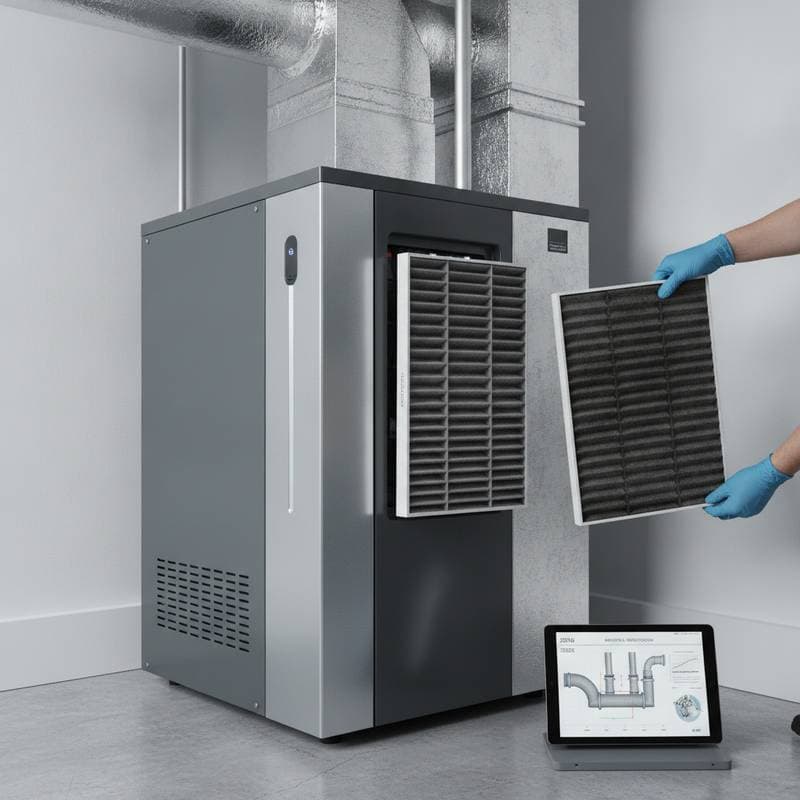
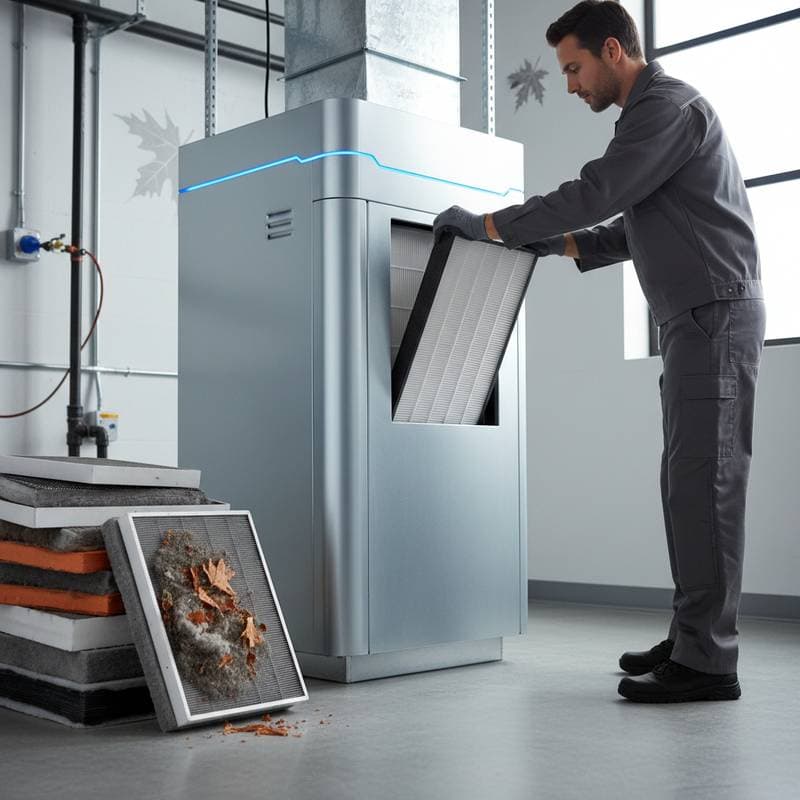
An HVAC filter traps dust, debris, and allergens, shielding components like the blower motor and evaporator coil from buildup. A dirty filter impedes airflow, compelling the system to operate longer and consume additional energy. Regular replacement enhances efficiency, maintains even temperatures, and extends equipment life.
Fall brings heightened indoor pollutants as windows close and leaves decompose outdoors. Pollen, mold spores, and pet dander accumulate more readily. A new filter removes these particles, reducing allergy symptoms and improving respiratory well-being for all household members.
Breaking Down HVAC Filter Expenses
Costs for DIY Replacement
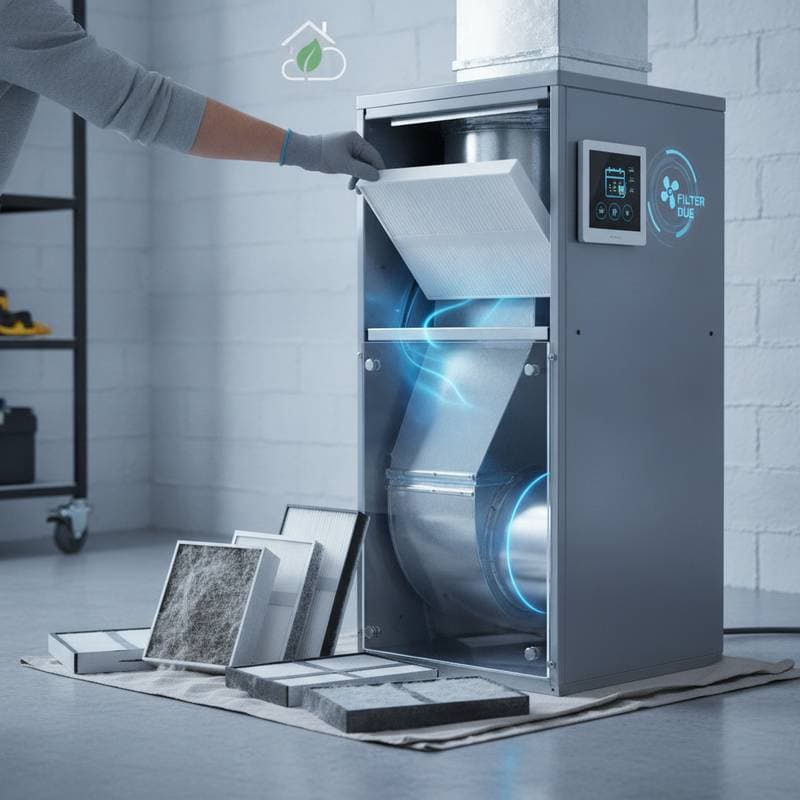
DIY filter changes suit those familiar with basic upkeep. Expenses center on the filter: fiberglass models offer basic protection at low cost, while pleated versions provide better particle capture for a modest increase in price. HEPA filters, effective against fine allergens, command higher prices but justify the investment in pet-heavy or allergy-prone homes.
Additional considerations include:
- Replacement filters, ranging from $5 to $30 based on type and size
- Basic tools like gloves or a step stool, often under $10 if not already owned
- Minimal time, typically 10 to 15 minutes per swap
Costs for Professional Service
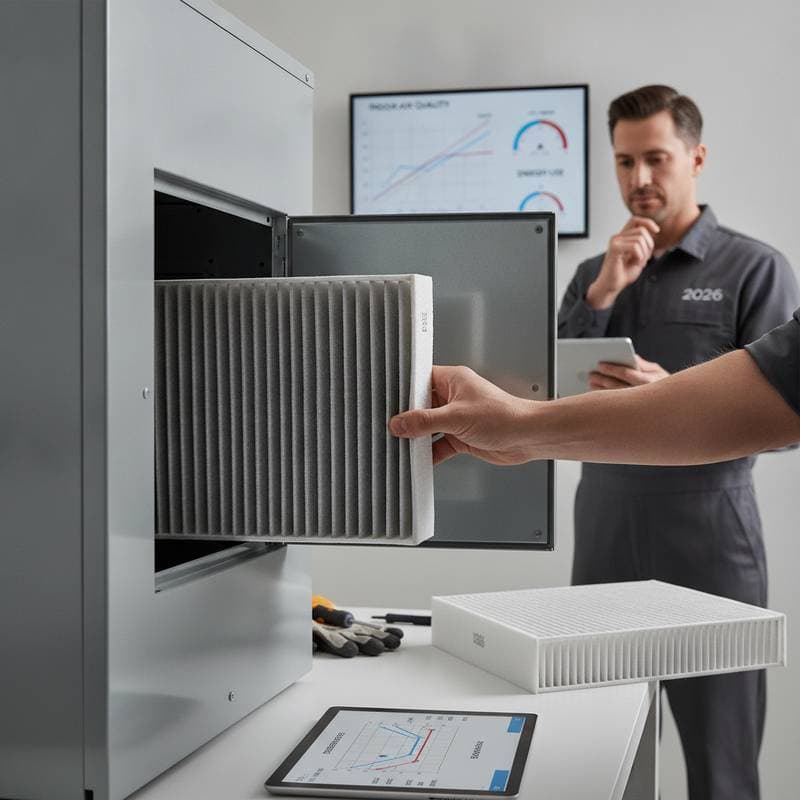
Professionals bundle filter replacement with full inspections, examining ducts, coils, and electrical connections. Such visits cost $100 to $200, depending on location and scope. The added value lies in identifying issues early, averting expensive repairs.
Influences on Overall Pricing
Filter dimensions, material quality, and MERV rating determine expense. High-MERV filters excel at trapping microbes but may restrict airflow in older systems. Environmental factors, such as high dust in arid areas or humidity in coastal regions, accelerate clogging and necessitate premium options.
When DIY Pays Off and When It Falls Short
Consistent DIY efforts yield savings through avoided service fees. However, neglecting broader maintenance risks major failures, like compressor strain from restricted air. For systems over 10 years old or showing inefficiency, professional oversight prevents long-term costs exceeding $1,000 in repairs.
Comparing DIY and Professional Approaches
Strengths and Limitations of DIY
Benefits:
- Low expense, often just the filter price
- Flexibility without appointment needs
- Swift results, boosting airflow instantly
Drawbacks:
- Lacks evaluation of underlying problems
- Potential errors in sizing or orientation
- Misses subtle signs of system degradation
Strengths and Limitations of Professional Service
Benefits:
- Thorough diagnostic review
- Tailored recommendations for filters and maintenance
- Guaranteed correct installation
Drawbacks:
- Elevated fees compared to self-service
- Need to coordinate timing
Required Skills and Tools
Filter replacement demands basic knowledge: locate the unit, note airflow arrows, and match dimensions precisely. Homeowners manage with household items, but technicians employ manometers to measure pressure drops and ensure optimal function.
Safety and Efficiency Factors
Power down the system before handling filters to avoid fan injuries. Inspect for sharp edges or insulation hazards during the process. Professionals streamline the task, often completing it alongside vent cleaning, which saves hours for time-strapped individuals.
Common Questions on HVAC Filters
How frequently should filters change?
Replace every one to three months, adjusting for filter type and home factors like occupancy or pets.
What filter suits fall conditions best?
Select pleated or MERV 11+ filters to handle increased dust and allergens effectively.
Does a dirty filter raise heating expenses?
Indeed, restricted airflow extends run times, increasing bills by 5 to 15 percent.
What risks come from neglecting replacement?
Accumulated debris lowers efficiency, promotes uneven heat distribution, and accelerates wear on vital parts.
How to determine the correct filter size?
Examine markings on the existing filter or measure the housing slot in inches.
Are washable filters a good investment?
They reduce long-term costs if cleaned meticulously each month, though disposable types ensure consistent performance.
Is a HEPA upgrade advisable?
Yes, for allergy or asthma sufferers, as it captures 99.97 percent of particles down to 0.3 microns.
Do filters influence humidity control?
Clean filters support steady airflow, aiding dehumidifiers or humidifiers in balancing moisture.
Must maintenance occur annually in fall?
Seasonal checks enhance reliability, though essential only if efficiency declines.
Signs of a clogged filter?
Watch for diminished airflow from registers, excess dust on surfaces, or unexplained energy spikes.
Step-by-Step Decision Guide for Filter Replacement
Step 1: Review Home Needs
Consider air quality challenges, such as pet hair or smoking, which demand frequent or advanced filtration.
Step 2: Gauge Personal Capabilities
Assess access to the HVAC unit and familiarity with its components; simple setups favor DIY.
Step 3: Weigh Total Expenses
Factor in filters, tools, and repair probabilities against professional packages starting at $150.
Step 4: Evaluate System Health
Older or noisy units warrant expert input to avoid compounding issues.
Step 5: Select the Optimal Path
Balance expertise, budget, and urgency to decide, prioritizing system longevity.
Key Actions for Fall HVAC Readiness
Schedule replacement two weeks before heavy heating use. Vacuum surrounding areas to minimize re-contamination. Monitor system performance post-swap, noting any persistent issues for follow-up. These steps ensure reliable operation, lower costs, and healthier air throughout the season.