Understanding HVAC Filters and Their Importance
HVAC filters serve as the first line of defense in your heating, ventilation, and air conditioning system. They trap dust, pollen, pet dander, and other airborne particles to protect your home's air quality and prevent damage to system components. In fall, when leaves fall and indoor-outdoor air exchanges increase, clean filters become essential for efficient operation.
A clogged filter restricts airflow, forcing the system to work harder and raising energy consumption. Regular replacement not only extends equipment life but also supports healthier living environments, especially during seasonal transitions. Homeowners who maintain filters properly report fewer breakdowns and lower utility bills.
Types of HVAC Filters Available
Selecting the right filter type depends on your system's needs and household factors such as allergies or pets. Pleated filters offer higher efficiency by capturing finer particles compared to basic fiberglass models. Electrostatic filters use static charge to attract debris, providing an upgrade without excessive pressure drop.
For fall preparation, consider MERV-rated filters, where higher numbers indicate better filtration. A MERV 8 to 11 rating balances performance and airflow for most homes, while MERV 13 suits those with respiratory concerns. Always check your HVAC manual to ensure compatibility and avoid restricting system function.
Optimal Timing for Fall Filter Changes
Change HVAC filters every one to three months, but adjust for fall's unique demands. Increased use of heating systems and influx of outdoor allergens like mold spores necessitate more frequent checks. Aim to replace filters at the start of fall, around September, and monitor monthly thereafter.
If your home experiences heavy foot traffic or construction nearby, inspect filters biweekly. Data from HVAC professionals shows that fall changes prevent up to 15 percent efficiency loss. Set calendar reminders to stay proactive and avoid unexpected issues as temperatures cool.
Signs Your HVAC Filter Needs Immediate Replacement
Watch for reduced airflow from vents, a common indicator of a dirty filter. Dust accumulation on surfaces or unusual odors when the system runs signal trapped particles. If energy bills rise without changes in usage, the filter likely contributes to strain on the blower motor.
Listen for unusual noises, such as straining or whistling, which suggest restricted air passage. For allergy sufferers, worsening symptoms like sneezing or itchy eyes point to poor filtration. Addressing these signs promptly maintains system health and indoor comfort.
Step-by-Step Guide to Changing HVAC Filters
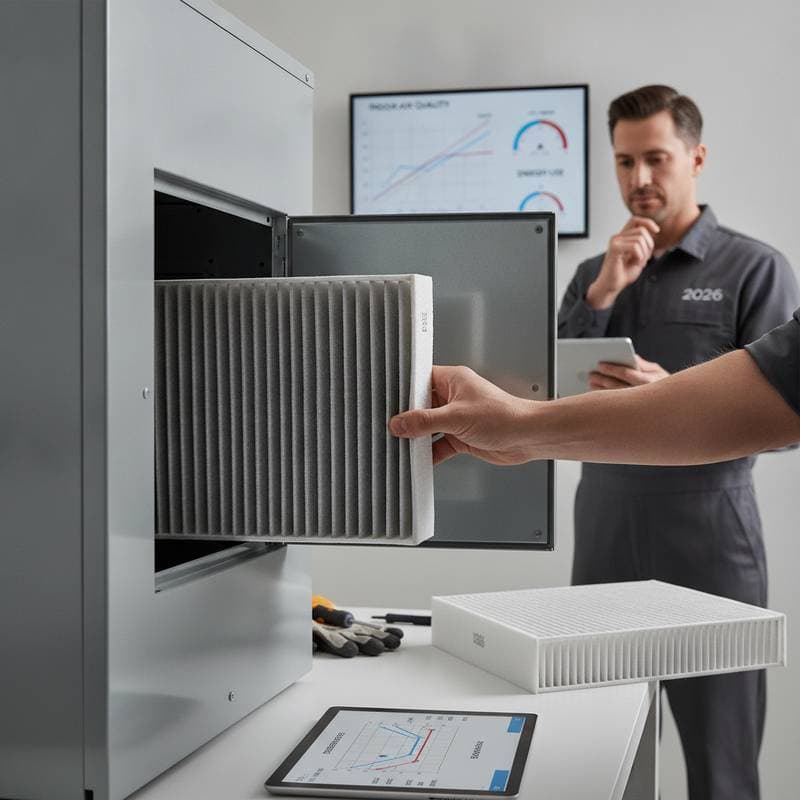
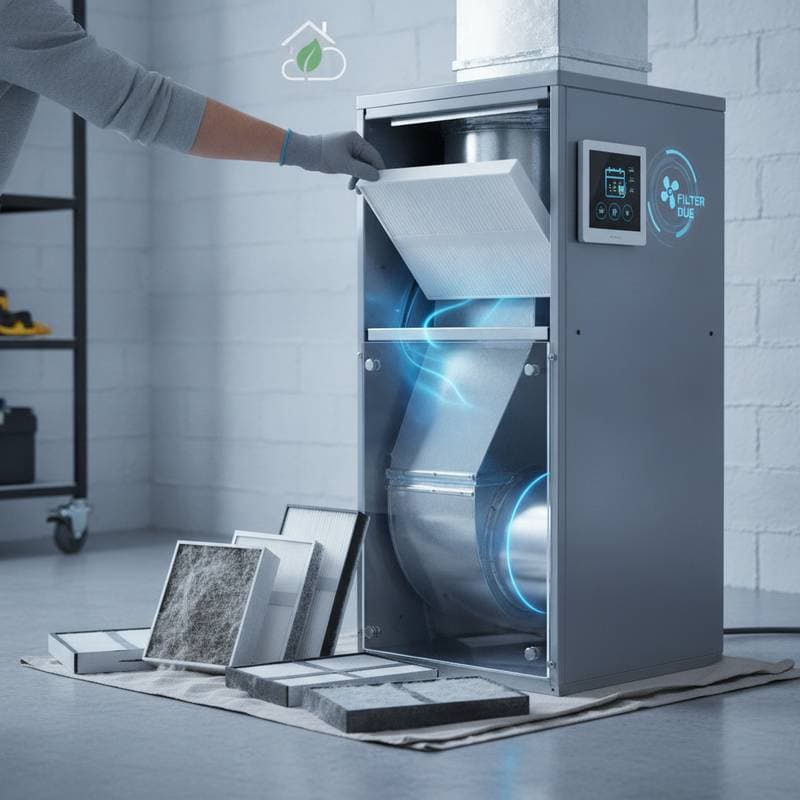
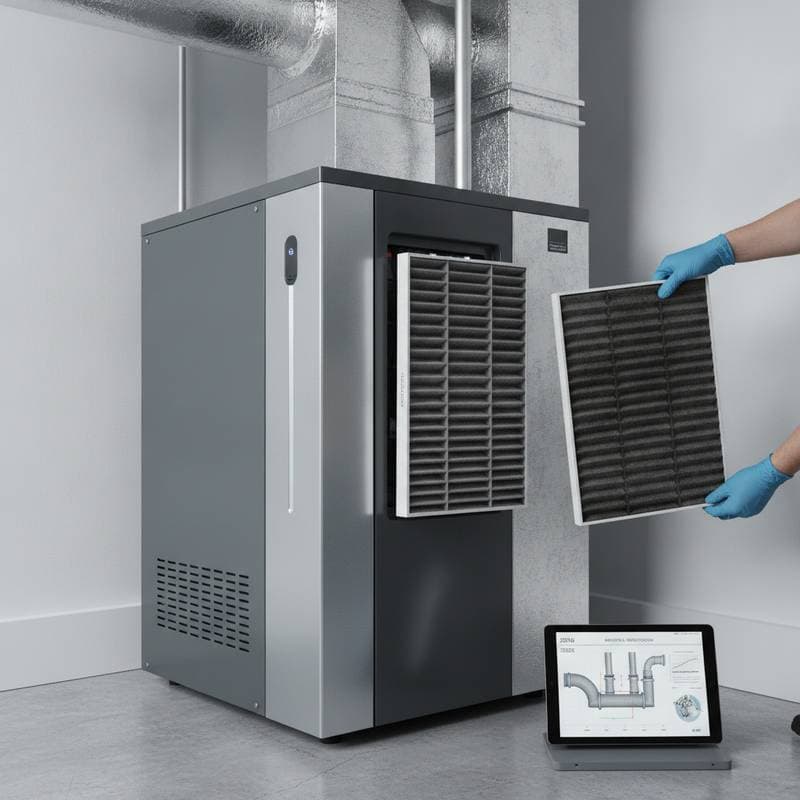
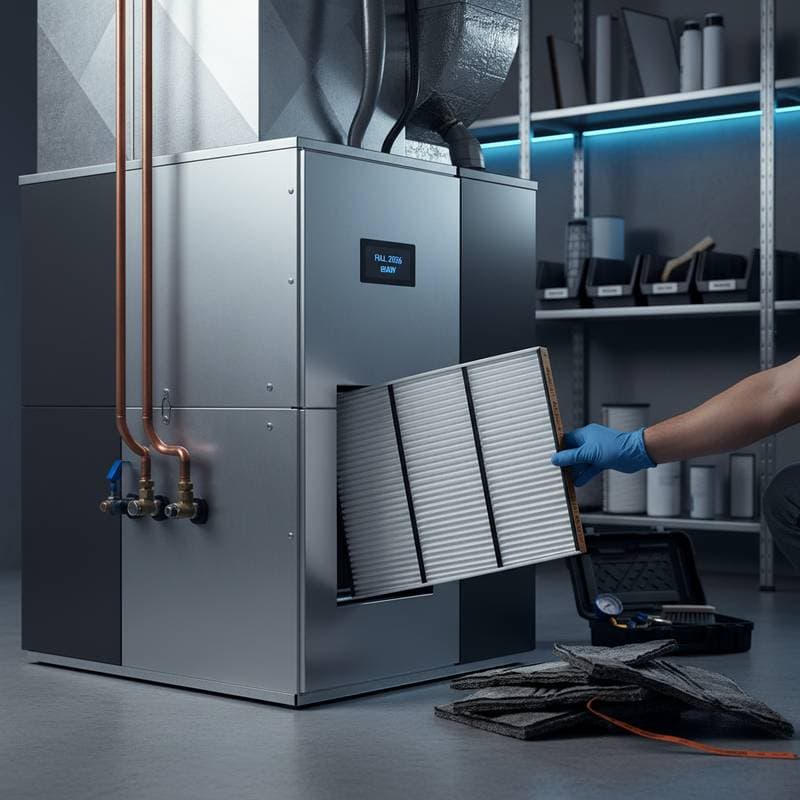
Locate your filter by consulting the HVAC unit's access panel, typically near the return air duct or furnace. Turn off the system at the thermostat and power source for safety. Slide out the old filter, noting its airflow direction indicated by an arrow.
Measure the dimensions to purchase a matching replacement. Insert the new filter with the arrow pointing toward the blower. Secure the panel and test the system to confirm proper operation. This process takes under 10 minutes and requires no special tools.
Seasonal Factors Influencing Filter Performance in Fall
Fall brings cooler, drier air that can carry more debris into your home. Open windows and fireplaces introduce smoke and ash, accelerating filter clogging. Humidity fluctuations may foster mold growth, making high-efficiency filters crucial for trapping spores.
Heating cycles increase as nights lengthen, amplifying the need for clean filters to support combustion efficiency in gas systems. In regions with early frost, prepare by changing filters before the first cold snap. These adjustments ensure your HVAC handles seasonal loads without faltering.
Maintenance Tips to Maximize Efficiency and Savings
Pair filter changes with duct cleaning every few years to remove built-up contaminants. Vacuum around return vents to minimize debris entry. Choose washable filters for reusable options, rinsing them quarterly if compatible with your setup.
Track filter usage in a log to predict replacement needs accurately. Upgrading to programmable thermostats complements filter maintenance by optimizing runtime. These practices can reduce energy costs by 5 to 15 percent, according to industry benchmarks.
Long-Term Benefits of Consistent Filter Maintenance
Regular filter changes safeguard your investment in HVAC equipment, potentially adding years to its lifespan. Cleaner air reduces allergy risks and supports overall well-being for family members. Efficient systems contribute to a comfortable home environment throughout fall and beyond.
Homeowners who follow these routines experience fewer service calls and steadier temperatures. By prioritizing filter care, you achieve cost savings and peace of mind as winter approaches. Implement these strategies now to enjoy a reliable, efficient heating season.