Essential AC Maintenance Checks to Avoid Summer Breakdowns
An air conditioner failure during intense summer heat transforms comfort into significant inconvenience. Regular maintenance serves as the strongest safeguard against breakdowns, expensive repairs, and suboptimal cooling performance. Homeowners who adhere to a systematic checklist prior to peak season can address most frequent problems and sustain optimal system operation.
Conduct a Thorough Visual Inspection
A preliminary examination of the AC system often uncovers potential issues early. For the outdoor condenser unit, remove leaves, grass clippings, or accumulated debris to maintain clear access. Ensure at least two feet of unobstructed space surrounds the unit on every side to facilitate adequate airflow. Inspect the fins for accumulations of dirt or any bending; such obstructions hinder cooling effectiveness and impede air circulation. Purchase a fin comb from a hardware store for less than twenty dollars to gently realign bent sections.
Shift attention indoors to the evaporator unit and adjacent areas. Search for evidence of water stains, rust formation, or leakage indicators, which may signal drainage problems or a blocked condensate line. Verify that the thermostat remains free of dust, securely mounted, and displays information correctly. Addressing these observations promptly prevents escalation into larger malfunctions.
Replace or Clean Air Filters Regularly
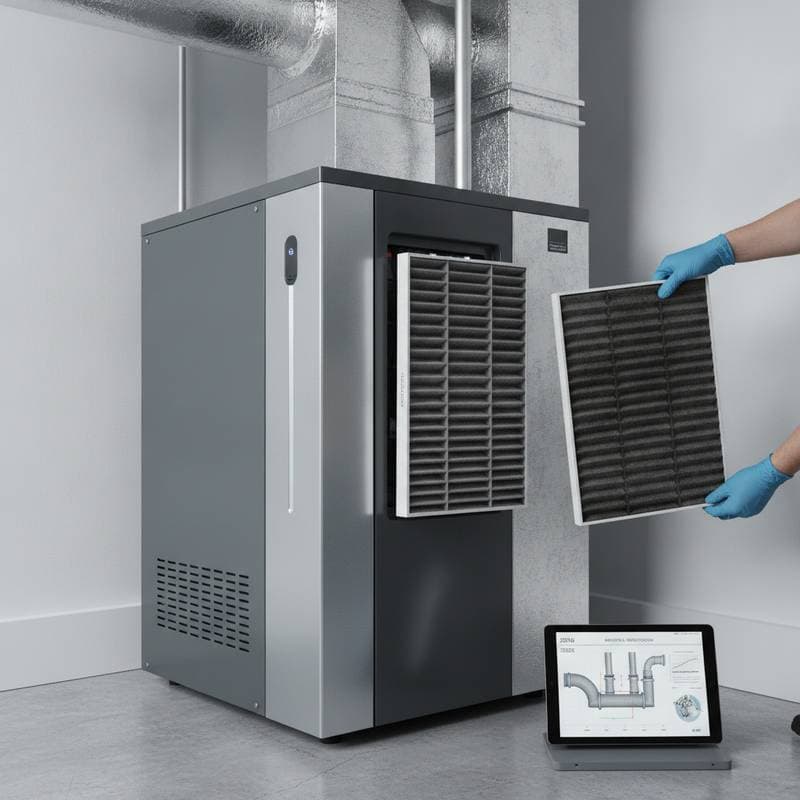
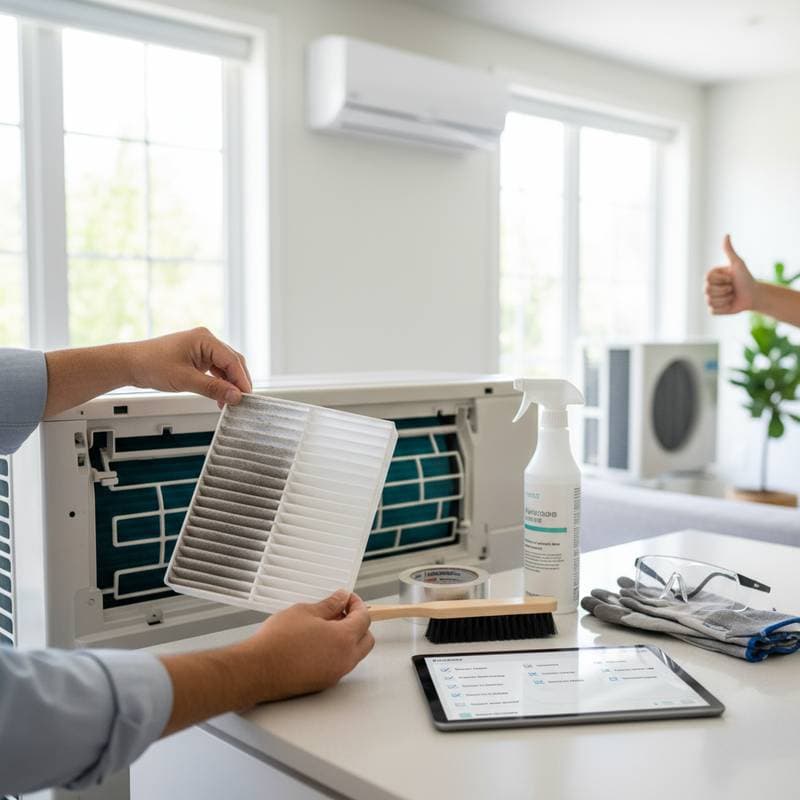
Air filters capture dust, pollen, and airborne particles, yet clogged filters impose excessive strain on the system. A soiled filter elevates energy consumption by as much as fifteen percent, diminishes airflow, and compromises cooling output. Opt for replacement of disposable filters every one to three months, adjusting frequency based on household dust accumulation and pet presence. For reusable filters, rinse with mild soap and water, then allow complete drying prior to reinstallation. Confirm the filter dimensions align with manufacturer specifications for a secure, effective seal.
Verify Thermostat Functionality and Settings
A malfunctioning thermostat leads to inconsistent cooling or irregular cycling patterns. To test, adjust the setpoint several degrees below the ambient room temperature and observe if the system activates. Should it fail to respond, replace the batteries or inspect the circuit breaker for trips. Older models benefit from upgrades to programmable or smart thermostats, which adapt to daily routines and optimize temperature adjustments automatically. Such devices typically install for one hundred to two hundred dollars, with energy savings quickly recouping the investment over time.
Examine Electrical Connections Carefully
Loose or corroded electrical components diminish operational efficiency and pose safety hazards. Always deactivate power at the breaker panel before assessing wires or terminals. Identify any discoloration, frayed insulation, or scorch marks that suggest wear. Individuals uncomfortable with electrical work should engage a licensed HVAC professional for this evaluation. Professional services, costing seventy to one hundred fifty dollars, encompass voltage checks, connection tightening, and assessments of capacitors and relays.
Clean Condenser Coils Effectively
Condenser coils on the outdoor unit dissipate heat absorbed from the indoor environment. Layers of dirt or grime prevent efficient heat release, compelling the system to labor excessively. Employ a soft brush or vacuum attachment to dislodge surface debris gently. For more thorough removal, direct a garden hose spray at the coils with moderate pressure, working from the interior outward to avoid fin damage. Commercial coil cleaning solutions effectively break down persistent residues. Well-maintained coils enhance performance, alleviate compressor stress, and contribute to extended equipment longevity.
Monitor Refrigerant Levels Professionally
Insufficient refrigerant hampers cooling capacity and risks compressor damage over time. Common indicators include lukewarm air from supply vents, frost accumulation on refrigerant lines, or unusual hissing noises. Accurate measurement demands specialized gauges and expertise, making professional intervention essential. Technicians identify and repair leaks before recharging the system as required. Replenishment fees range from one hundred fifty to four hundred dollars, depending on unit capacity and refrigerant variety.
Clear the Condensate Drain Line Routinely
The condensate drain line expels excess moisture generated during cooling operations. Algae, mold, or debris accumulation frequently obstructs this pathway, resulting in internal leaks or structural water damage. Locate the drain line, typically a white PVC pipe exiting the indoor unit, and introduce a cup of distilled vinegar or a warm water and mild detergent solution to inhibit growth. If liquid accumulates rapidly, apply a wet-dry vacuum to the exterior outlet for clearance. Repeat this procedure every few months to avert serious complications.
Inspect and Seal Ductwork Thoroughly
Leaking ducts squander up to thirty percent of conditioned air, compelling the AC to operate beyond necessary capacity. Examine visible duct sections in attics, basements, or crawl spaces for separated joints or apparent gaps. Apply aluminum foil tape or mastic sealant to remedy small breaches; standard duct tape deteriorates rapidly in warm conditions. For extensive damage or hidden areas, professionals conduct pressure testing and comprehensive sealing, yielding improved air distribution and reduced utility costs.
Arrange an Annual Professional Tune-Up
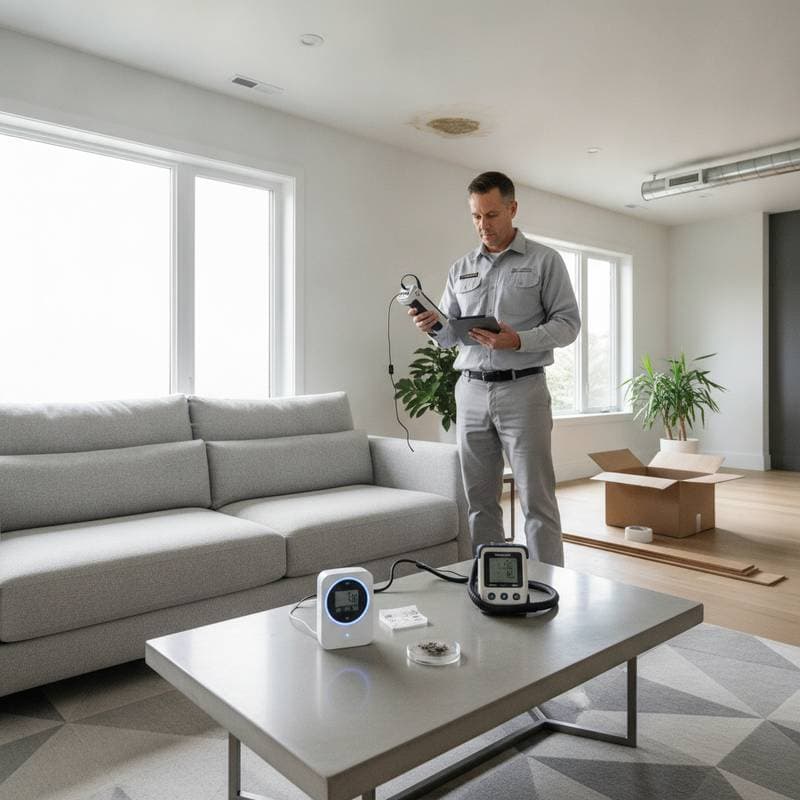
DIY efforts provide solid groundwork, yet an yearly expert inspection offers comprehensive assurance. Specialists deploy diagnostic equipment to evaluate airflow, system metrics, and subtle anomalies before they intensify. They fine-tune thermostats, scrutinize blower motors, and confirm refrigerant integrity. Such appointments average one hundred to two hundred dollars, far below the expense of urgent repairs often surpassing one thousand dollars.
Build Habits for Enduring System Reliability
A dependable air conditioning system supports not only immediate comfort but also long-term home efficiency and property value. Consistent upkeep minimizes surprise failures, trims electricity expenses, and maximizes equipment durability. Those who maintain detailed logs of inspections, filter swaps, cleanings, and service dates experience fewer disruptions and steadier performance.
Tracking this information enables technicians to spot trends and implement preventive measures proactively. Homeowners gain confidence in their systems, enjoying uninterrupted cooling through the hottest months.