2026 HVAC Filter Swaps: Your Seasonal Maintenance Plan
A clean HVAC filter represents one of the simplest and most effective methods to maintain home comfort, reduce energy expenses, and prolong the lifespan of heating and cooling systems. Homeowners often overlook the rapid accumulation of dust, pollen, and pet dander in filters, which restricts airflow and forces the system to operate under strain. This increased workload accelerates wear and elevates energy consumption. A structured seasonal plan centered on regular filter replacements ensures cleaner air and optimal system performance throughout the year.
This guide provides a practical framework for scheduling replacements, evaluating costs, and determining whether to perform the task independently or engage a professional.
Understanding HVAC Filter Replacement Costs
Filter replacement remains an affordable maintenance activity, though expenses fluctuate based on filter type, system dimensions, and replacement intervals. Awareness of these elements enables the development of an accurate budget.
DIY Filter Costs
Individuals opting for self-replacement focus primarily on material purchases and minimal tools. Standard filter categories include:
- Fiberglass filters: These provide basic protection against large particles at the lowest price point, necessitating replacements every one to two months.
- Pleated filters: Designed for enhanced particle capture and extended durability, they offer moderate costs and compatibility with typical residential units.
- High-efficiency filters (HEPA or electrostatic): Effective at trapping fine allergens and pollutants, these demand higher investment and verification of system airflow compatibility.
Anticipate spending $5 to $30 per filter, scaled by quality and size. Self-managed changes eliminate labor fees, provided schedules receive diligent monitoring.
Professional Service Costs
Professional assistance incurs additional charges for expertise and thorough inspections. Fees typically encompass a base service rate plus filter pricing, appealing to those valuing ease or facing inaccessible units. Many providers bundle filter swaps into annual plans that incorporate tune-ups and diagnostic evaluations.
Factors That Affect Price
Key influences on overall expenses include:
- Filter dimensions and manufacturer
- Household size, pet presence, and activity levels
- Desired standards for indoor air purity
- Ease of system access
- Planned replacement cadence
Residences with pets or significant dust accumulation benefit from monthly swaps, elevating annual outlays. Conversely, low-traffic environments support biannual changes, minimizing expenditures.
When DIY Saves and When It Costs More
Self-replacement yields immediate savings on services. Neglect or improper fitting, however, compromises efficiency and invites expensive repairs. Seek expert guidance if uncertainty surrounds filter selection or procedural accuracy to prevent enduring complications.
DIY vs Professional: Making the Right Choice
The decision between independent and expert intervention hinges on personal proficiency, unit configuration, and long-term objectives.
DIY Approach
Pros:
- Eliminates labor expenses
- Straightforward for conventional setups
- Allows scheduling at personal convenience
Cons:
- Demands precise timing and measurement
- Overlooks underlying mechanical concerns
- Constrained by physical reach and technical familiarity
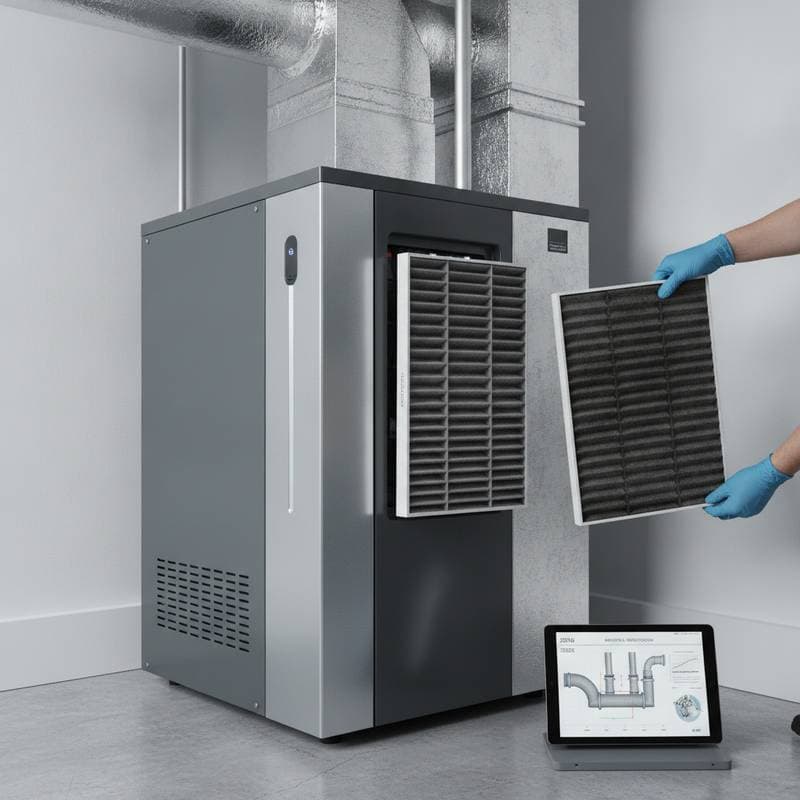
Skill Level: Elementary. Locate the access panel and measure the existing filter to procure the correct match.
Tools Needed:
- Flashlight for visibility
- Screwdriver for panel securing
- Precisely sized replacement filter
Risks and Safety: Power down the unit prior to filter removal. Refrain from contacting wiring or rotating components.
Professional Service
Pros:
- Guarantees accurate placement and compatibility
- Encompasses comprehensive system review
- Detects emerging problems proactively
Cons:
- Involves elevated fees
- Necessitates appointment coordination
Time Commitment Comparison: Complete a DIY swap in 10 to 15 minutes. Professional engagements extend to 30 to 45 minutes, incorporating diagnostic benefits that justify the duration.
Your HVAC Filter Questions, Answered
Industry professionals address frequent inquiries below.
How often should I replace my HVAC filter?
Standard recommendation calls for exchanges every one to three months. Intensified usage, pet ownership, or allergy sensitivities warrant monthly intervals.
What happens if I forget to change the filter?
Blockages impede airflow, overtaxing the blower and diminishing performance. Prolonged oversight risks motor burnout or coil icing.
Are expensive filters worth it?
Advanced options excel at fine-particle retention and air purification, yet mismatched units suffer airflow reduction. Select per manufacturer airflow guidelines.
Can I clean and reuse my filter?
Reusable designs permit gentle rinsing and drying. Disposable variants degrade upon cleaning, demanding full replacement.
How can I tell when a filter needs replacing?
Illuminate the filter against a light. Minimal transmission signals immediate substitution.
Do filter ratings matter?
Affirmative. MERV ratings quantify particle-trapping efficacy. Elevated values target minuscule contaminants, though systems require adequate airflow capacity.
Should I change the filter more often in certain seasons?
Indeed. Peak heating or cooling periods accelerate contaminant buildup. Align swaps with spring and fall transitions.
What if my filter location is hard to reach?
Elevated or concealed placements pose challenges. Professionals navigate such scenarios with specialized equipment.
Are there signs my system needs a filter change?
Monitor for weak drafts, temperature inconsistencies, or vent dust accumulation as prompts for inspection.
Can a dirty filter increase energy bills?
Certainly. Compromised circulation elevates operational demands and utility charges.
Will replacing my filter improve allergies?
Regular changes diminish circulating irritants such as pollen and dander. Opt for MERV 11 or higher in sensitive environments.
Do I need a professional inspection along with filter changes?
Yearly evaluations uncover duct leaks, component fatigue, and optimization opportunities. Supplement DIY efforts with this routine.
What size filter do I need?
Inspect the installed unit's markings or consult the equipment manual for precise measurements.
How can I keep track of my filter change schedule?
Utilize digital calendars for alerts or inscribe dates directly on the housing. Routine adherence sustains peak efficiency.
How to Decide: Your Step-by-Step Guide
A systematic process streamlines maintenance commitment.
Step 1: Assess Your Specific Situation
Review occupancy, pet factors, and air quality priorities to gauge needs.
Step 2: Evaluate Your Skills and Resources
Determine comfort with hands-on tasks. Lacking confidence favors expert subscriptions.
Step 3: Calculate True Costs
Factor in purchases, efficiency gains, and service premiums. Bundled plans often deliver superior value over isolated calls.
Step 4: Conduct a Risk Assessment
Account for unit age and positioning. Prioritize professionals for elevated hazards.
Step 5: Make the Final Decision
Select the path aligning budget, ease, and reliability imperatives.
Preparing for Your HVAC Filter Project
Research and Planning
Identify your model's filter specifications via the user guide or manufacturer site. Stock multiples for seamless rotations and establish a calendar for seasonal reminders.
Site Preparation
Clear surrounding areas for unobstructed access. Gather tools in advance and ensure a stable workspace to handle the filter without spillage.
Timeline Considerations
Schedule during mild weather to minimize discomfort. Align with seasonal shifts, such as pre-summer for cooling readiness.
Budgeting Tips
Compare bulk purchases from retailers for discounts. Track energy savings post-replacement to offset investments, aiming for 5 to 15 percent reductions in bills.
Implementing Seasonal Filter Maintenance
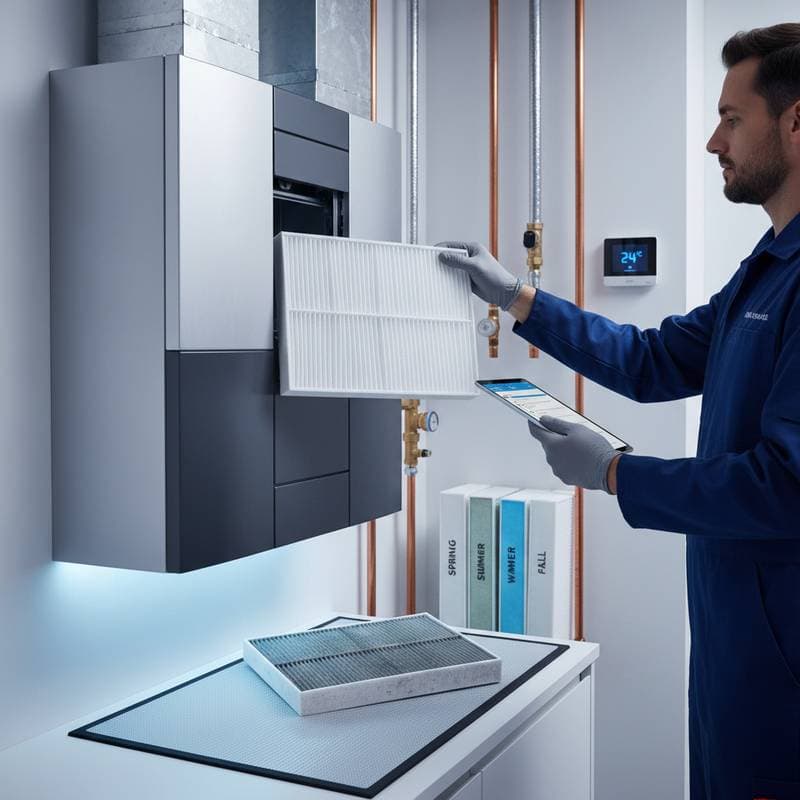
Integrate filter swaps into broader routines for year-round benefits. Spring preparations combat pollen influx, while fall changes prepare for heating demands. Winter and summer focus on sustained performance amid constant operation. Consistent application not only curbs costs but also fosters healthier indoor environments and reliable comfort.