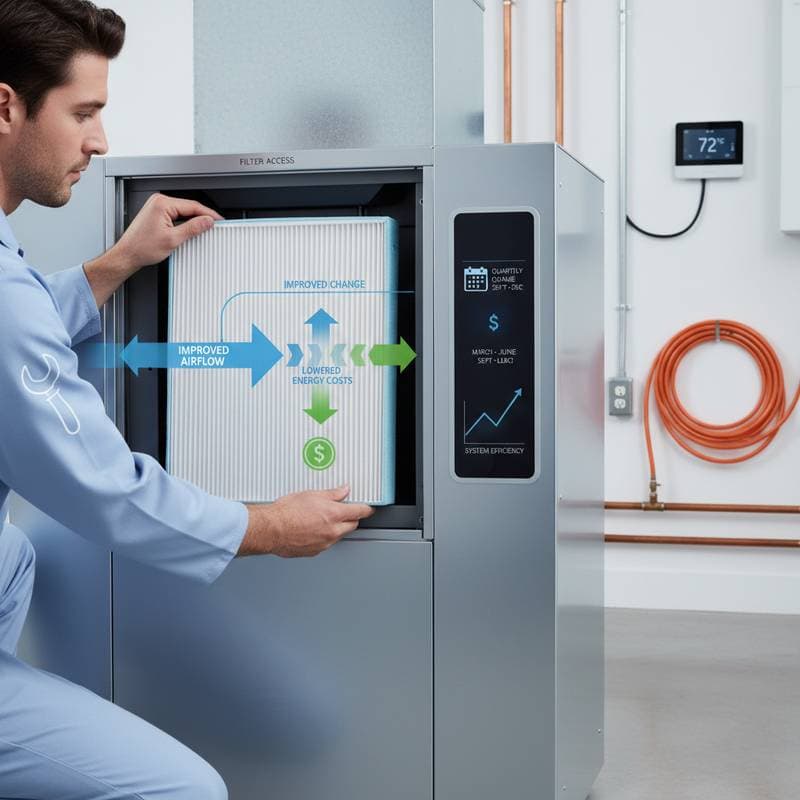
Establish a Quarterly HVAC Filter Replacement Schedule for 2026
Efficient HVAC performance demands regular attention beyond thermostat adjustments. Changing air filters stands out as a straightforward yet often neglected task. A clean filter promotes optimal airflow, enhances indoor air quality, and decreases energy consumption. Implementing a quarterly replacement schedule guarantees reliable operation throughout the year. Consistency proves essential, alongside a clear understanding of specific home and system requirements.
This guide details the creation of an effective quarterly HVAC filter replacement plan. It covers filter selection criteria, replacement scheduling methods, and performance monitoring techniques. Applicable to single-family residences or multiple properties, this approach maintains system efficiency and improves air purity.
Develop a Quarterly Replacement Schedule
A quarterly schedule segments the year into four balanced intervals. This method simplifies tracking and suits typical residential HVAC setups. Certain households might require more frequent replacements based on occupancy patterns and environmental influences, yet quarterly intervals address most scenarios.
Step 1: Determine Filter Specifications
HVAC filters differ in dimensions, construction materials, and efficiency levels. Standard sizes include 16x20x1 inches, 20x25x1 inches, and 16x25x1 inches. Verify the exact measurements in the system manual or on the existing filter prior to purchase.
Common filter categories encompass:
- Fiberglass filters: Affordable and disposable, these provide fundamental equipment protection with minimal impact on air quality.
- Pleated filters: Constructed from folded polyester or cotton materials, they trap finer particles effectively. These serve as a reliable option for standard households.
- Electrostatic filters: These employ static charge to capture dust and allergens. Washable variants extend usability and reduce replacement needs.
- HEPA filters: Designed to trap ultrafine particles, they suit environments with high sensitivity demands. Compatibility requires a system engineered for elevated resistance.
Step 2: Select Appropriate MERV Rating
The MERV rating, or Minimum Efficiency Reporting Value, ranges from 1 to 16 and indicates particle capture capability.
- MERV 1 to 4: Offer basic defense against coarse dust and debris.
- MERV 5 to 8: Capture pollen, mold spores, and household lint, making them ideal for general residential use.
- MERV 9 to 12: Provide enhanced control for allergens, including fine dust and pet dander.
- MERV 13 to 16: Deliver superior efficiency, typically reserved for healthcare facilities or commercial spaces.
Residential systems generally perform best with MERV 8 to 11 ratings, which balance filtration effectiveness and airflow. Elevated ratings may impede circulation if the blower lacks sufficient power; consult manufacturer guidelines before selection.
Step 3: Schedule Replacements
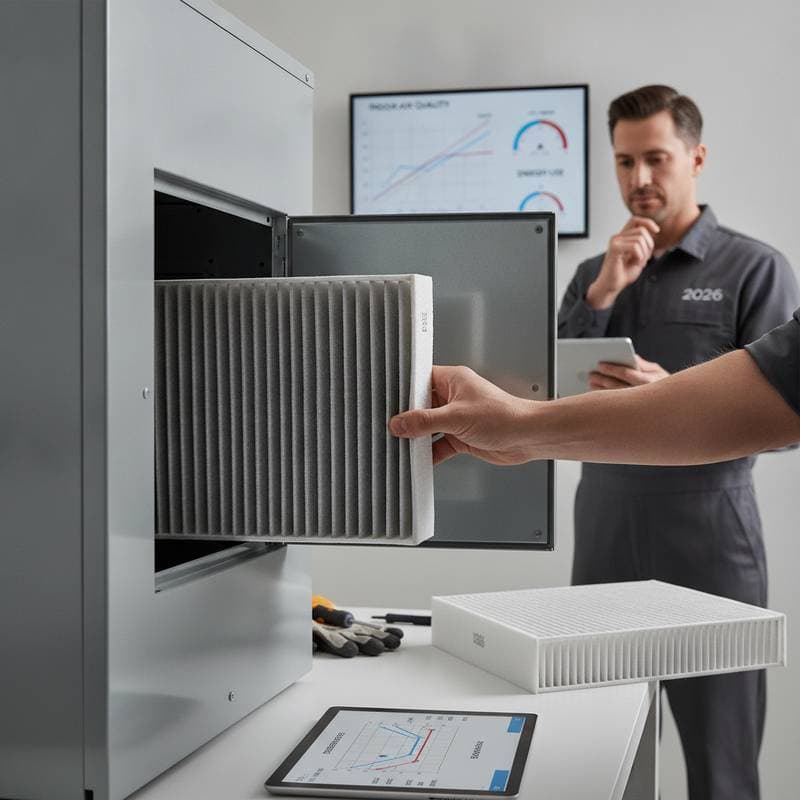
With filter type and MERV rating confirmed, assign four replacement dates at three-month intervals. Align them with seasonal shifts for intuitive recall:
- Winter: Install a new filter prior to intensive heating periods.
- Spring: Replace after pollen levels rise.
- Summer: Update before maximum cooling demands.
- Fall: Refresh during the shift to heating mode.
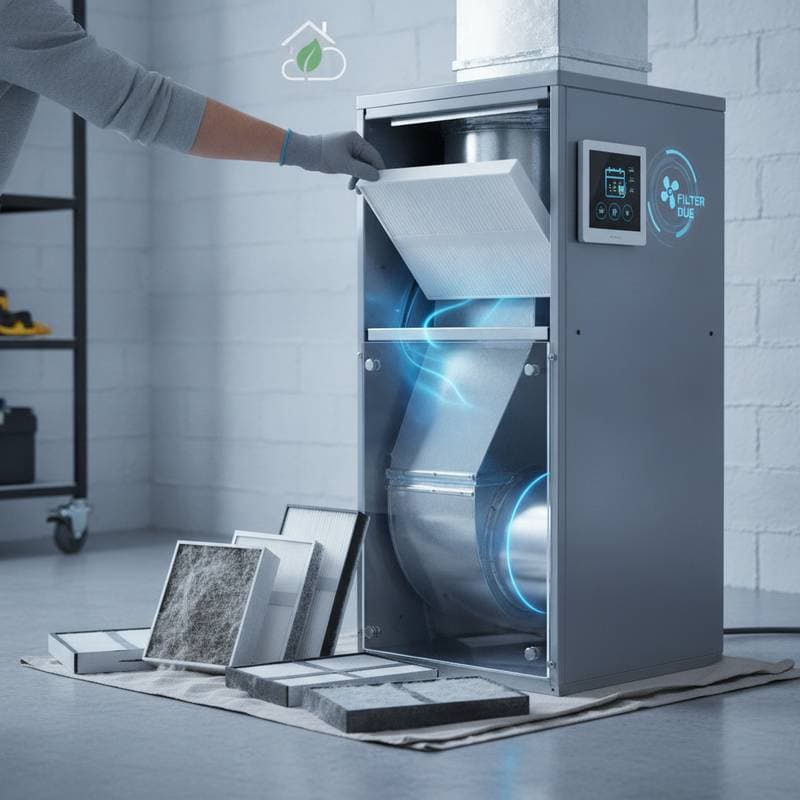
Set digital reminders via calendar applications or smart home devices. Advanced thermostats often include built-in notifications for filter status, facilitating adherence.
Environmental Influences on Filter Duration
Quarterly replacements suit many homes, but specific conditions accelerate clogging. Evaluate these elements to adjust frequency as needed.
-
Pet Presence: Residences with cats or dogs accumulate fur and dander rapidly. Visible accumulation within two months signals the need for bimonthly changes.
-
Health Sensitivities: Individuals with allergies or asthma gain from elevated MERV filters and increased replacement rates, particularly in high-pollen periods.
-
Renovation Activities: Dust from sanding drywall or installing floors overwhelms filters swiftly. Perform an immediate replacement following substantial projects.
-
Local Air Quality: Proximity to farms, roads, or fire-prone areas elevates particulate exposure, shortening filter lifespan.
Source Quality Filters Efficiently
Purchasing in bulk reduces expenses and prevents shortages. Major retailers such as Home Depot and Lowe's, along with online platforms like FilterBuy and Amazon, provide subscription services for scheduled deliveries. Evaluate pricing among manufacturers and seek promotions on bulk quantities.
Confirm dimensions from the current filter label during orders. Minor discrepancies, even half an inch, lead to air leaks or operational noise. Opt for established brands like 3M Filtrete, Honeywell, or Nordic Pure, which disclose accurate MERV and airflow specifications.
Consequences of Irregular Maintenance
Infrequent filter changes yield no instant repercussions, yet cumulative impacts prove costly. Restricted airflow from clogs elevates furnace temperatures or strains cooling components, potentially causing shutdowns or equipment breakdowns.
Professional coil cleaning incurs fees ranging from two to five hundred dollars. Annual filter expenses, however, remain far lower than a single repair visit. This disparity underscores the value of routine replacements in preventive care.
Comparative analysis of similar systems reveals that quarterly maintenance reduces electricity usage by approximately 15 percent. The maintained unit exhibits minimal blower wear, while the overlooked counterpart demands premature part substitutions. Such practices directly affect longevity and operational expenses.
Handle Replacements Safely
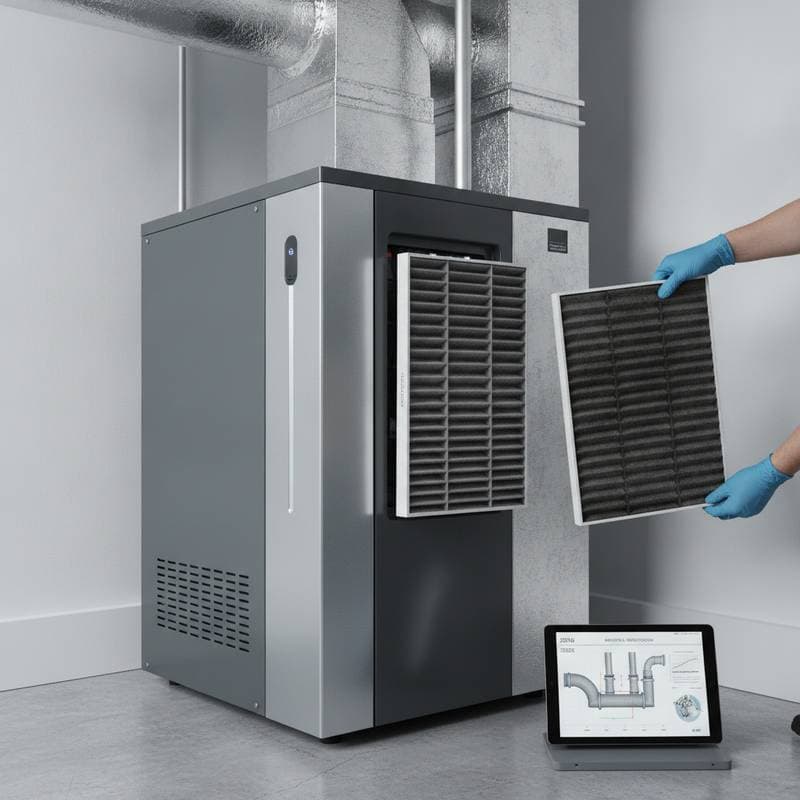
Discarded filters harbor dust, mold, and microbes. Minimize indoor contamination by sealing the used filter in a trash bag before transport. Clean hands thoroughly post-handling, or use gloves for those prone to dust reactions.
Washable electrostatic filters require rinsing under cool water, followed by complete air drying before reuse. Avoid reinstalling moist filters, as dampness fosters mold proliferation.
Check municipal guidelines for recycling filter frames, though most complete units enter standard waste streams.
Implement Effective Strategies
-
Date Each Filter: Inscribe the installation date on the frame edge for precise tracking.
-
Conduct Monthly Checks: Despite quarterly plans, inspect filters periodically. Darkness or obstruction warrants early replacement.
-
Stock Reserves: Maintain one spare filter per system for immediate access.
-
Integrate Tasks: Pair filter changes with seasonal duties like battery replacements in detectors or vent dusting.
-
Assess Airflow: Investigate reduced flow or odd sounds by examining the filter, as clogs cause many issues.
Secure Long-Term Benefits
A quarterly HVAC filter replacement plan safeguards comfort, finances, and equipment durability. This brief routine yields substantial gains in energy efficiency, air purity, and operational smoothness.
Consistent adherence delivers tangible outcomes, including reduced noise, enhanced ventilation, and decreased utility payments. Begin by evaluating the present filter: note its size, rating, and age. Construct the schedule from this foundation to initiate improvements immediately.