The Quarterly Solution for Superior Indoor Air
Homeowners often detect issues with heating or cooling systems through noticeable inefficiencies. A clogged air filter contributes to diminished air quality, elevated energy bills, and excessive strain on the HVAC components. Replacing or cleaning the filter every three months represents one of the most economical measures to maintain fresh indoor air and efficient system operation.
This quarterly interval addresses the rapid accumulation of dust, dander, pollen, and cooking residues. Such replacements prevent these contaminants from recirculating throughout the home. They also enable the air conditioner and furnace to operate at peak efficiency.
Essential Benefits of Clean Filters
HVAC systems depend on consistent airflow for optimal function. A filter laden with dust or pet hair impedes this flow, compelling the blower motor to exert greater effort. This increased workload accelerates motor wear and elevates energy use, potentially resulting in repair expenses surpassing several hundred dollars.
Clean filters safeguard critical elements such as evaporator coils and heat exchangers, which require unobstructed airflow for effective temperature control. Blocked airflow can cause coils to freeze or overheat, leading to inconsistent temperatures across living spaces.
Health benefits extend from reduced airborne irritants. The Environmental Protection Agency indicates that indoor air may contain multiple times the pollutants found outdoors. Fresh filters trap many of these microscopic particles, mitigating risks for asthma and allergies before they spread through the home.
Establishing an Effective Replacement Schedule
A quarterly plan suits most households, though specific conditions may necessitate adjustments. Residences with several pets or frequent visitors might require changes every two months. Seasonal homes used infrequently can extend intervals without compromise.
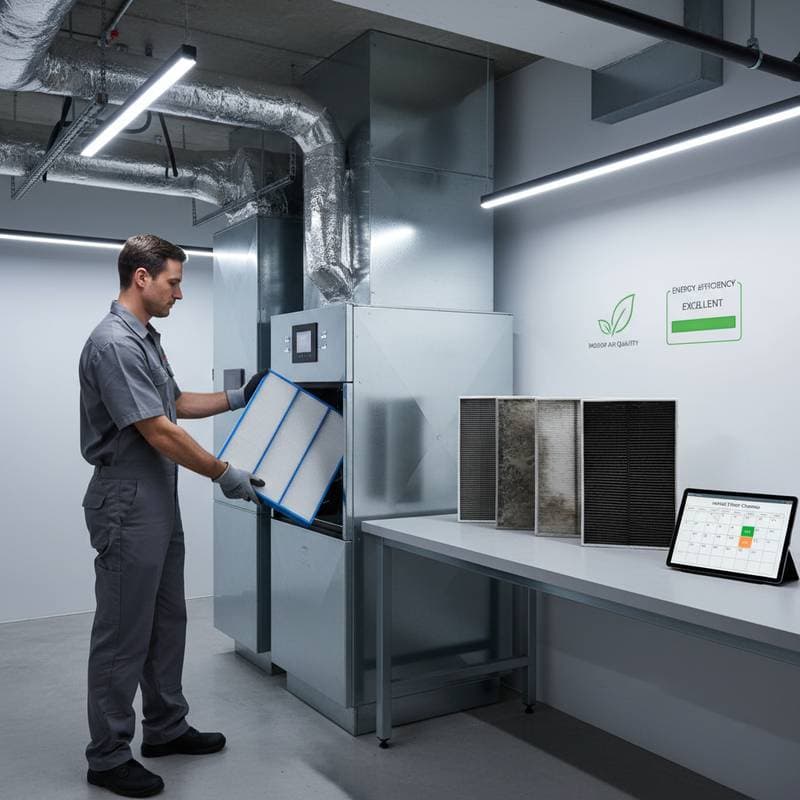
Visual inspection provides the most reliable determination. Position the filter against a light; if light fails to pass through, replacement is necessary. Visible gray dust layers or dark spots also signal the need for action. Mark calendars or employ reminder applications to schedule upcoming maintenance.
Consider these guidelines for timing:
- Every 3 months: Typical households with moderate dust levels and no pets
- Every 2 months: Homes featuring one pet or residents sensitive to allergens
- Every month: Properties with multiple pets, smoking, or intensive HVAC operation
Adhering to such a routine averts prevalent air quality challenges proactively.
Selecting Appropriate Filters
Filters vary significantly in performance, and opting for the least expensive model may undermine effectiveness. Selection hinges on HVAC configuration, home dimensions, and air purity requirements.
Focus on the MERV rating, or Minimum Efficiency Reporting Value, which quantifies particle capture across size ranges. Standard residential options range from MERV 6 to MERV 13.
- MERV 6–8: Provides foundational defense against dust and lint in minimal-dust settings.
- MERV 9–11: Excels at trapping pollen, pet dander, and finer particulates, fitting the majority of homes.
- MERV 12–13: Offers superior allergen management, although older systems might experience airflow restrictions.
Reusable filters permit washing instead of disposal, presenting a durable alternative despite higher initial costs. Rinse thoroughly with water, allow full drying, and then reinstall. Avoid using a moist filter, as moisture fosters mold development.
Step-by-Step Filter Replacement Process
Locating and replacing a filter requires mere minutes with familiarity. Filters reside either behind return air grilles or within the air handler adjacent to the blower.
Proceed as follows:
- Deactivate the HVAC system via the thermostat to avoid pulling in debris.
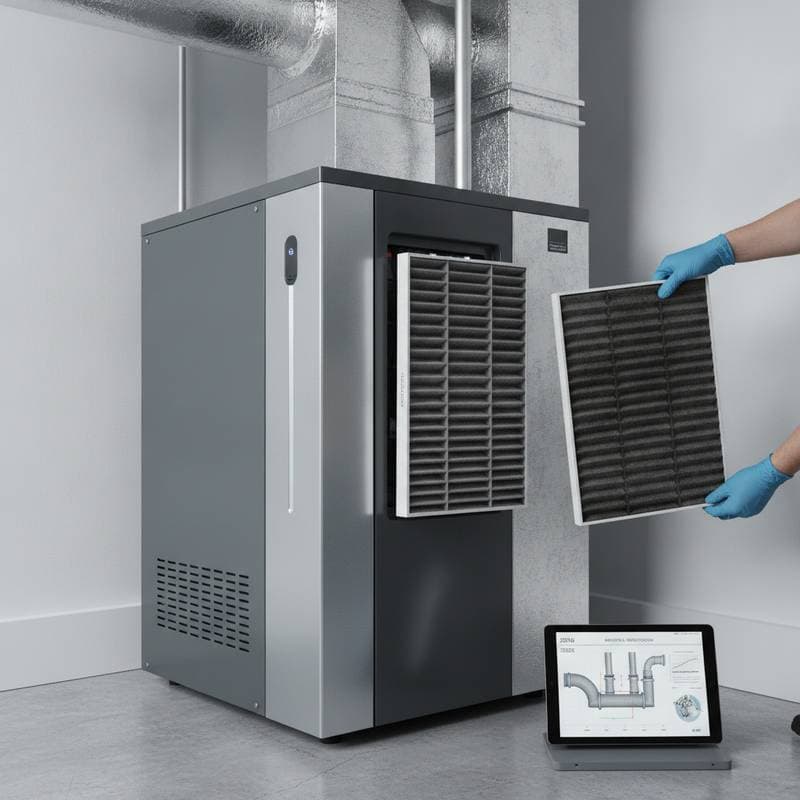
- Identify the filter compartment and gently remove the existing filter, observing the airflow arrow direction on its frame.
- Note the dimensions indicated on the filter's edge to ensure the replacement matches precisely.
- Install the new filter, aligning the arrow toward the blower motor or air handler.
- Reactivate the system and verify unobstructed airflow.
For homes with multiple filters, such as per floor, update all simultaneously to preserve system equilibrium.
Financial Advantages of Routine Maintenance
Basic fiberglass filters cost a few dollars each, while advanced pleated models exceed twenty dollars. An annual set for a standard home totals thirty to eighty dollars. This investment pales against repair fees or energy losses from neglected filters.
Subscription services deliver filters on a predetermined cadence, simplifying adherence. Options from providers like Filterbuy and Second Nature receive praise in online communities for enhancing reliability through convenience.
Enhancing Air Quality Through Complementary Practices
A pristine filter forms the core of air management, amplified by supportive routines. Vacuum carpets each week, launder bedding frequently, and maintain humidity at 30 to 50 percent to limit dust mites and mold proliferation.
Incorporate air purifiers in primary living areas. HEPA-equipped models filter particles down to 0.3 microns. Portable units range from one hundred to three hundred dollars based on size, whereas integrated whole-home solutions connect to ductwork for comprehensive purification.
Certain houseplants, including spider plants, peace lilies, and snake plants, absorb select airborne toxins. Though not a substitute for mechanical filtration, they provide supplementary air refinement.
Addressing Persistent Issues
Regular filter changes may not resolve all concerns, such as lingering odors or restricted flow. Conduct these evaluations:
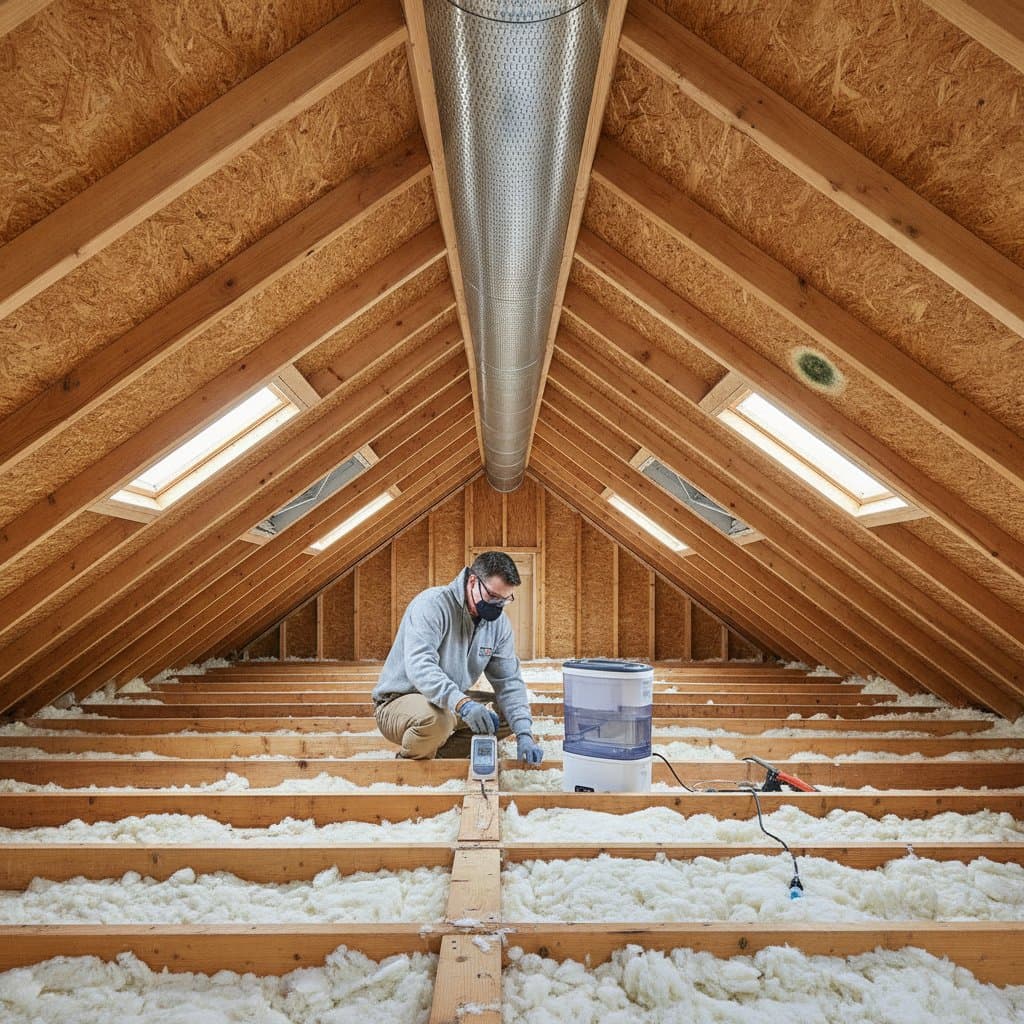
- Examine ducts for leaks, as unsealed joints pull in contaminants from attics or crawlspaces.
- Wipe supply vents to eliminate accumulated dust that hampers circulation.
- Monitor humidity; add a humidifier or dehumidifier if conditions feel excessively moist or arid.
- Arrange yearly professional servicing to clean coils, assess motors, and confirm efficiency.
Enduring smells could indicate duct mold or drain clogs. Expert cleaning addresses these to avert health risks.
Sustaining Long-Term System Health
Superior indoor air emerges from consistent upkeep rather than elaborate efforts. Quarterly filter replacements shield the HVAC investment, promote well-being, and yield financial savings.
Those maintaining schedules frequently experience reduced allergy flare-ups and steadier utility costs. Systems endure longer under lessened mechanical demands from clear airflow.
Label filters with installation dates and log replacements for oversight. Pair this with seasonal inspections to preempt air quality disruptions.
Initiate cleaner air through methodical care. Quarterly filter updates yield enduring comfort, respiratory health, and dependable operation, proving a worthwhile maintenance cornerstone.