Why Schedule a Pre-Season AC Tune-Up to Lower Summer Energy Costs
Summer heatwaves prompt many homeowners to activate their air conditioners hastily. Those who postpone maintenance encounter elevated repair expenses, extended wait times for service, and suboptimal cooling performance. A pre-season AC tune-up addresses these challenges. The process enables the system to operate efficiently, decreases energy consumption, and prolongs equipment durability. Homeowners who invest in this preparation before temperatures rise often save substantial amounts on electricity and repairs.
Components of a Comprehensive Pre-Season AC Tune-Up
Professional technicians perform a thorough pre-season AC tune-up using a systematic checklist to verify optimal function of all parts. This evaluation goes beyond a superficial review. The following elements form the core of the service:
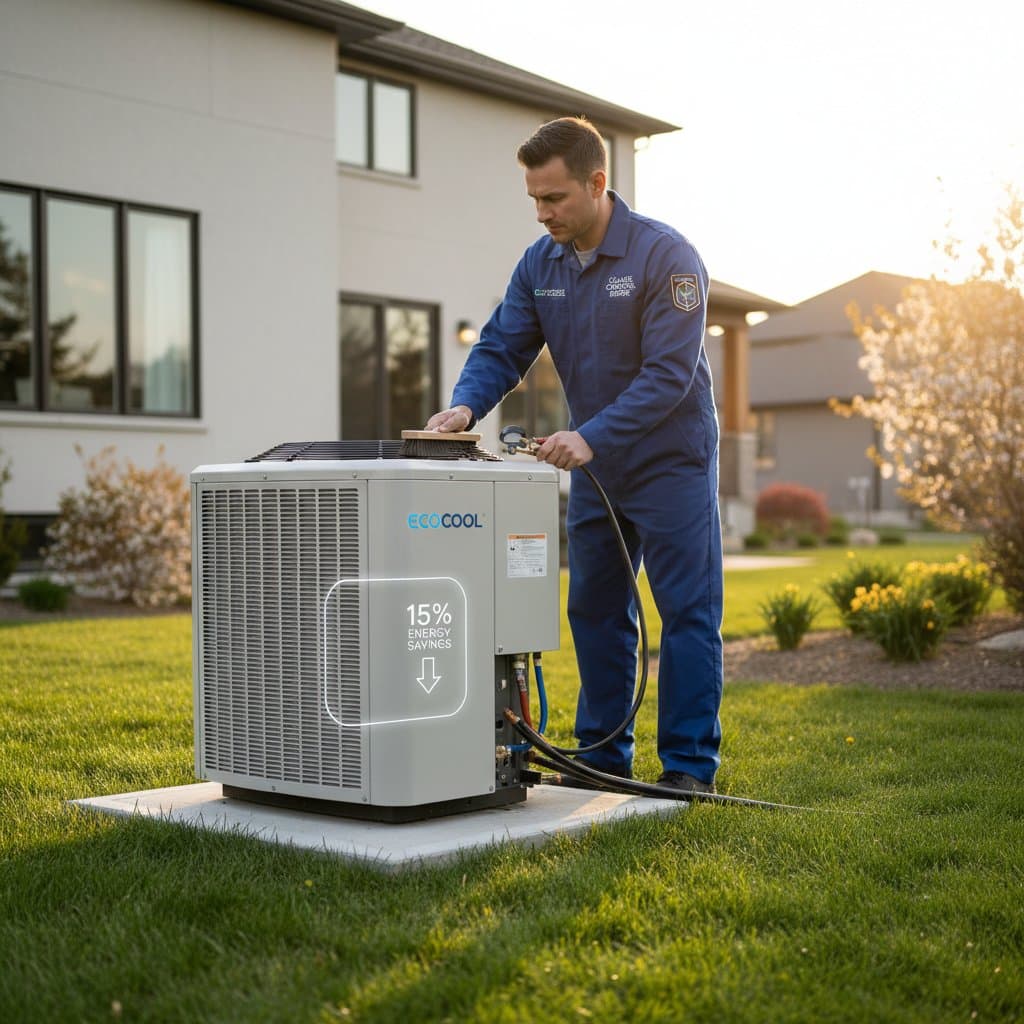
- Verify refrigerant levels to ensure proper charging, as insufficient refrigerant impairs cooling and risks compressor failure.
- Examine electrical connections for signs of corrosion or looseness that might result in shorts or damaged components.
- Clean condenser and evaporator coils to enhance airflow and heat exchange, potentially reducing energy consumption by up to 15 percent.
- Adjust the thermostat for precise and reliable temperature control.
- Assess the blower motor and fan for appropriate speed and alignment to promote uniform cooling.
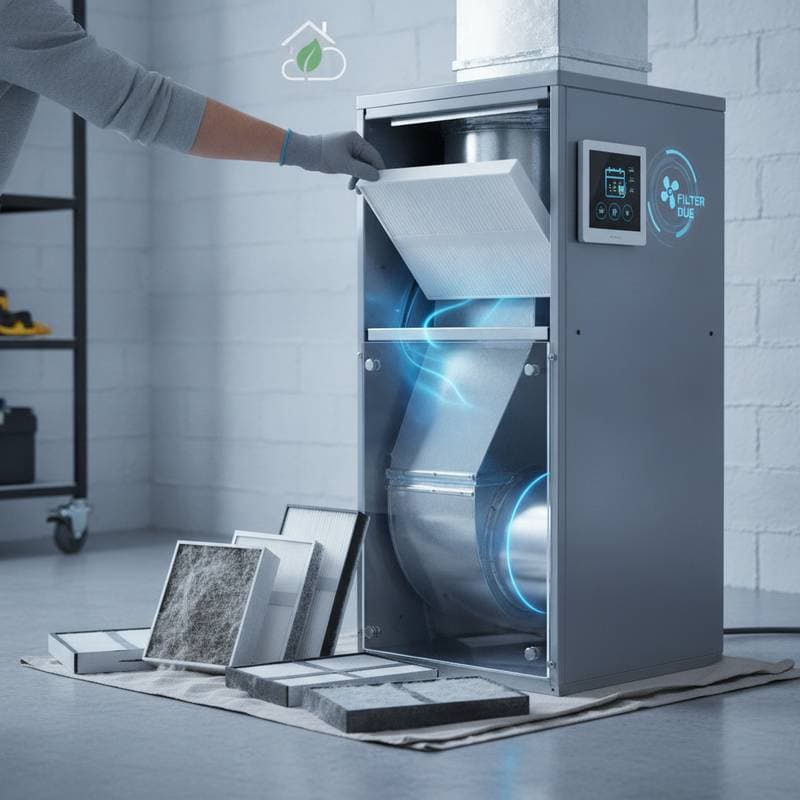
- Clean or replace air filters to uphold indoor air quality and alleviate system stress.
These procedures collectively support seamless performance and dependable cooling during peak demand periods.
Financial Benefits of Proactive AC Maintenance
Homeowners frequently hesitate to schedule tune-ups due to the added expense. However, neglecting this service typically leads to greater financial burdens later. A routine AC tune-up generally ranges from 80 to 150 dollars, varying by system capacity and regional rates. In contrast, a seasonal repair might cost 400 to 900 dollars, while a complete system replacement surpasses several thousand dollars.
Consistent upkeep also trims ongoing energy expenses. An optimized system requires less power to achieve desired temperatures. Cooling accounts for almost half of a home's summer electricity usage. Even a 10 percent efficiency gain yields significant seasonal savings.
Preventing Disruptions During High-Demand Seasons
Arranging a tune-up prior to summer congestion secures prompt attention from service providers. As temperatures climb, HVAC firms experience overwhelming requests. Urgent repairs take precedence, which can delay routine fixes by days.
Early intervention identifies minor faults before they escalate. Technicians can address issues such as frayed belts, obstructed condensate drains, or failing capacitors. Detecting these problems in advance minimizes the chance of system outages precisely when reliable cooling proves essential.
Enhancing Efficiency and Indoor Comfort
An underperforming air conditioner squanders energy and provides uneven temperature control. Accumulated dirt on coils or blocked filters hampers airflow, compelling the compressor to labor excessively. This strain accelerates component degradation and reduces overall longevity.
A professional tune-up reestablishes equilibrium. With cleaned coils, verified refrigerant, and calibrated fans, the system distributes cool air evenly without excessive effort. Residents typically experience reduced noise levels, stable temperatures, and faster adjustments to thermostat changes. These enhancements not only elevate comfort but also control humidity levels, thereby inhibiting mold development and refining air quality.
Prolonging the Service Life of Your AC System
Air conditioning units represent significant household assets, warranting diligent protection. Scheduled tune-ups extend operational years. Well-maintained systems often function effectively for 10 to 15 years. Inadequate care shortens this period through progressive deterioration.
Technicians apply lubrication to mobile elements, inspect for excessive vibrations, and secure electrical fittings during the visit. Such measures lessen stress on critical parts like motors and compressors, which carry high replacement costs. Maintaining system harmony also averts cascading failures where one defect triggers broader malfunctions.
Additional Advantages for Health and the Environment
Optimized air conditioners draw less electricity, thereby diminishing household carbon emissions. Reduced power needs translate to fewer greenhouse gases released from energy production. Collective individual efficiencies contribute to broader environmental gains.
Improved indoor air quality emerges as another key advantage. Fresh filters and coils capture more dust, pollen, and mold particles. Families with allergies or breathing difficulties often report enhanced well-being and ease.
Practical Guidance for Booking and Preparation
Target spring or early summer for the ideal tune-up timing, ahead of intense heat. Service providers frequently extend discounts during off-peak months, with greater availability for appointments. Early reservations accommodate any necessary part swaps or intensive cleanings before demand surges.
Select technicians certified by bodies like NATE or those earning high marks on platforms such as Yelp or Angi. Request a detailed written outline of included services and verify that the quote encompasses inspections plus basic corrections.
Everyday Strategies to Maximize Tune-Up Results
Homeowners amplify professional service through simple habits:
- Swap air filters every month during intensive operation periods, as a dirty filter undermines even expert adjustments.
- Clear vegetation, debris, and clippings from the outdoor unit to preserve unrestricted airflow.
- Seal gaps in windows, doors, and ductwork to retain cooled air indoors.
- Install a programmable thermostat to optimize energy patterns based on occupancy.
- Track system behavior post-service; address irregularities like inconsistent cooling or frequent cycling promptly.
These practices sustain the tune-up's advantages and promote steady performance all season.
Safeguarding Comfort and Savings Year-Round
A pre-season AC tune-up transcends basic upkeep. It serves as a strategic measure to sustain home comfort, curb energy expenditures, and ensure equipment reliability. The initial outlay for prevention shields against major disruptions and maximizes system potential as warmth intensifies. For those prioritizing livability and fiscal prudence, this preparation stands as an essential home strategy.