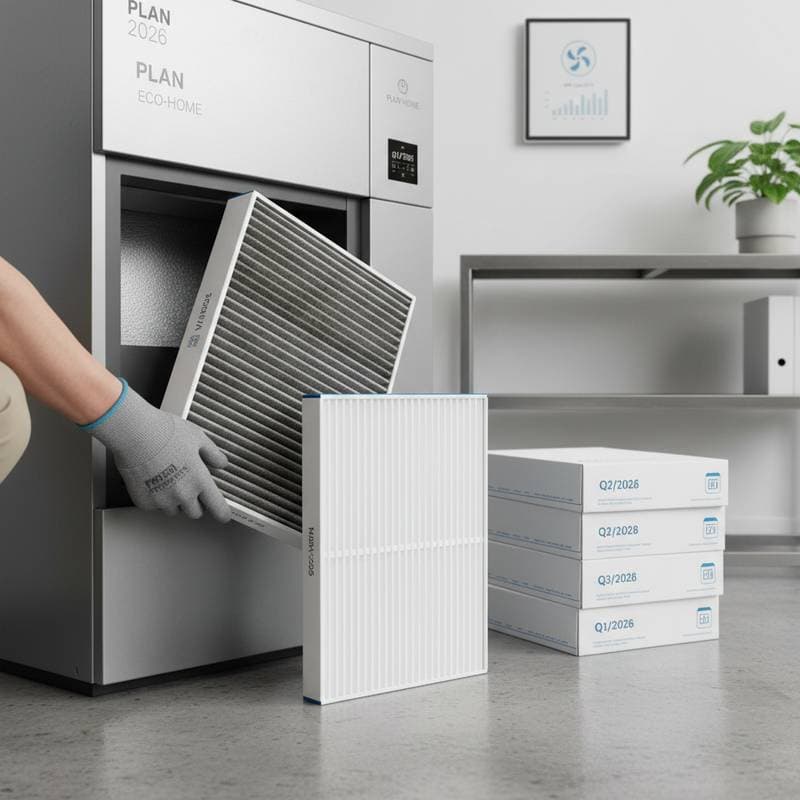
Plan 2026 HVAC Filters: Quarterly Replacements for Cleaner Indoor Air
Indoor air quality starts with reliable HVAC filter maintenance. A quarterly replacement schedule promotes steady airflow, preserves energy efficiency, and fosters healthier environments. Homeowners often delay changes until reduced airflow or increased allergens signal a problem. The Plan 2026 framework provides a straightforward system for year-round air quality control, benefiting both residential and commercial properties.
Understanding HVAC Filter Costs
HVAC filter prices depend on material, dimensions, and efficiency rating. Standard fiberglass filters, suitable for basic dust capture, cost between $5 and $20 each. Pleated filters, which trap smaller particles like pollen, range from $15 to $45 per unit. HEPA filters, effective against microscopic pollutants, typically price at $50 to $120.
Location affects availability and cost. Urban settings often carry premium prices from higher distribution expenses and diverse brands. Rural areas offer lower rates but limited selections. Prices fluctuate with seasons; expect slight upticks in spring and fall as usage intensifies. Broader economic factors, including raw material prices and supply chain issues, also impact retail costs.
Common Pricing Models for Filter Services
HVAC providers employ varied pricing strategies for filter replacements. Hourly rates, common for custom jobs, fall between $50 and $100 based on region and expertise. Flat-fee options appeal to those seeking budget certainty, with quarterly visits priced from $150 to $300 to cover labor and supplies.
Annual packages bundle four visits, inspections, and minor adjustments, often at a discounted rate. Subscription services gain traction among property managers, automating filter shipments or technician schedules to streamline operations. For occasional needs, one-time calls provide flexibility, though they may incur higher individual fees.
Service Tiers and Associated Costs
Services divide into tiers to match specific requirements. Basic options involve a simple filter exchange and airflow check, costing $75 to $150 per session. Standard services upgrade to premium filters, basic duct cleaning, and performance diagnostics, priced at $200 to $350.
Premium packages incorporate HEPA filters, antimicrobial applications, and air quality assessments, ranging from $400 to $750. Custom services for specialized settings, such as medical facilities or industrial sites, receive individualized quotes due to their unique demands.
Factors Shaping HVAC Filter Maintenance Expenses
System scale influences overall costs. Larger residences or commercial spaces demand bigger or additional filters, elevating material and labor needs. System design adds complexity; multi-zone or advanced setups require extended access time for replacements.
Technician qualifications affect rates. Certified professionals command higher fees yet deliver precise installations that prolong equipment durability. Job duration varies: residential tasks conclude in under an hour, while commercial ones may span several hours.
Filter quality drives value. Inexpensive fiberglass options suit minimal needs but underperform on fine particles. Pleated or electrostatic varieties, though pricier, enhance air purity by capturing more contaminants. Tools like ladders or diagnostic devices may contribute small additional charges.
Optional Add-Ons and Extra Fees
Enhance maintenance with targeted add-ons. Duct cleaning, essential for heavy buildup, costs $300 to $600 depending on property size. Sanitization treatments, targeting mold and bacteria, range from $100 to $250.
Filter subscription deliveries charge $10 to $25 per unit, with bulk discounts available. Priority or emergency services add 25 to 50 percent surcharges to standard pricing.
Establishing Your Quarterly Replacement Schedule
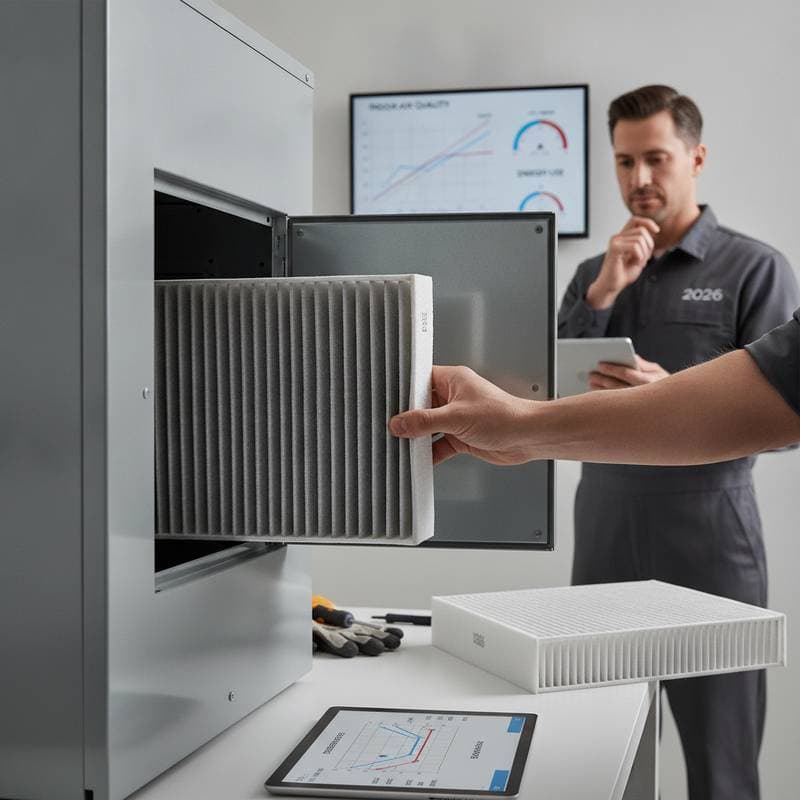
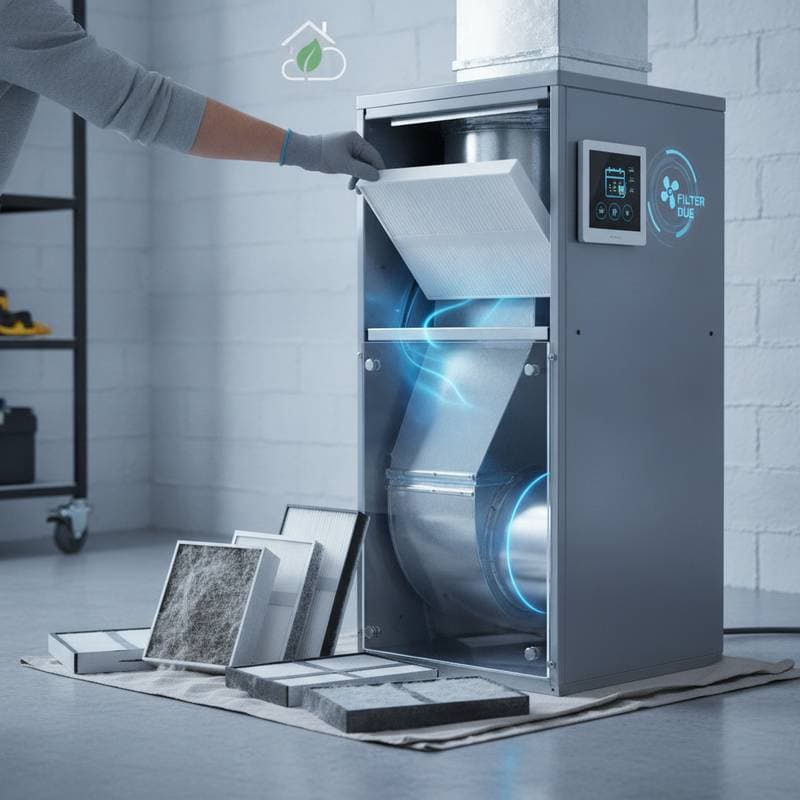
Quarterly intervals prevent performance dips and equipment stress. Align changes with seasonal shifts for maximum effectiveness.
- Winter to Spring Transition: Install new filters ahead of pollen season to block allergens early.
- Early Summer Prep: Refresh before peak cooling demands, as filters load quickly in humid conditions.
- Late Summer Check: Replace amid dust from outdoor activities or dry weather.
- Fall Preparation: Update filters prior to heating, avoiding dust recirculation from vents.
These timed replacements optimize airflow, cut energy use by up to 15 percent, and boost system reliability, as noted by industry standards.
Selecting Appropriate Filter Types
Match filters to your environment and HVAC specifications. MERV ratings indicate capture capability, from 1 for large debris to 20 for ultrafine particles. Residential systems handle MERV 8 to 13 effectively; higher ratings risk airflow blockage without compatibility checks.
Pet owners or allergy sufferers select pleated filters with carbon for odor control. HEPA options excel in sensitive households by removing bacteria and smoke. Consult your unit's manual to confirm upgrades maintain proper function.
Advantages of Consistent Quarterly Changes
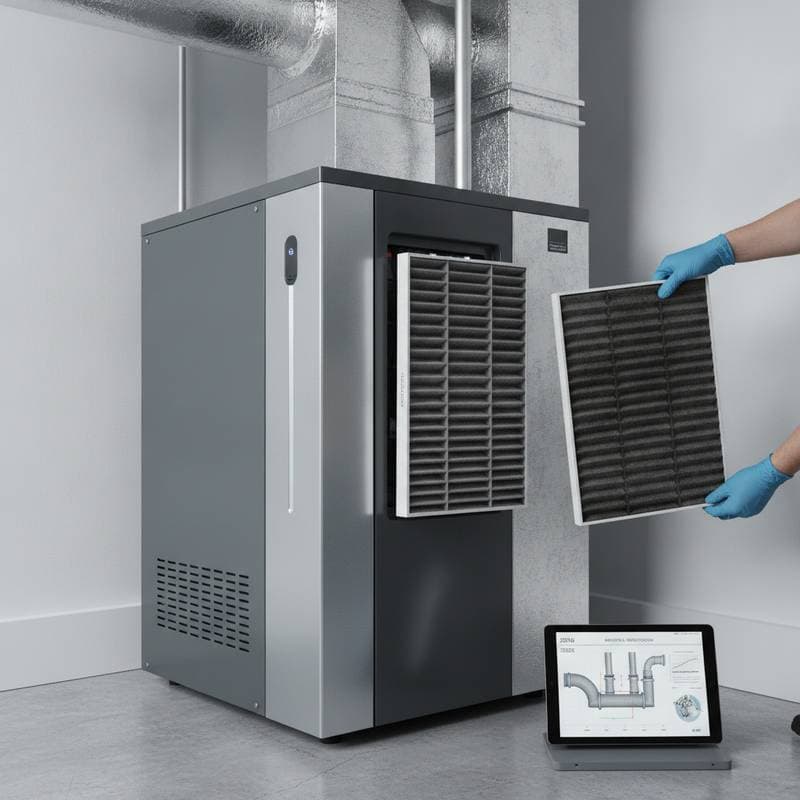
Routine replacements yield clear gains in air purity and system health. Accumulated debris strains motors, inflating bills and accelerating wear. Fresh filters ensure even temperatures and reduce strain on components like compressors.
Beyond efficiency, they minimize allergen exposure and support overall comfort.
Steps to Implement Your Plan
Consistency drives success in HVAC care. Use calendar alerts, join delivery subscriptions, or partner with a local technician for seamless execution. Track each replacement date and observe changes in airflow or energy patterns.
Commit to this routine for sustained clean air, lower operational costs, and dependable performance year-round.