Essential Monthly Home Maintenance Checks to Prevent Costly Repairs in 2025
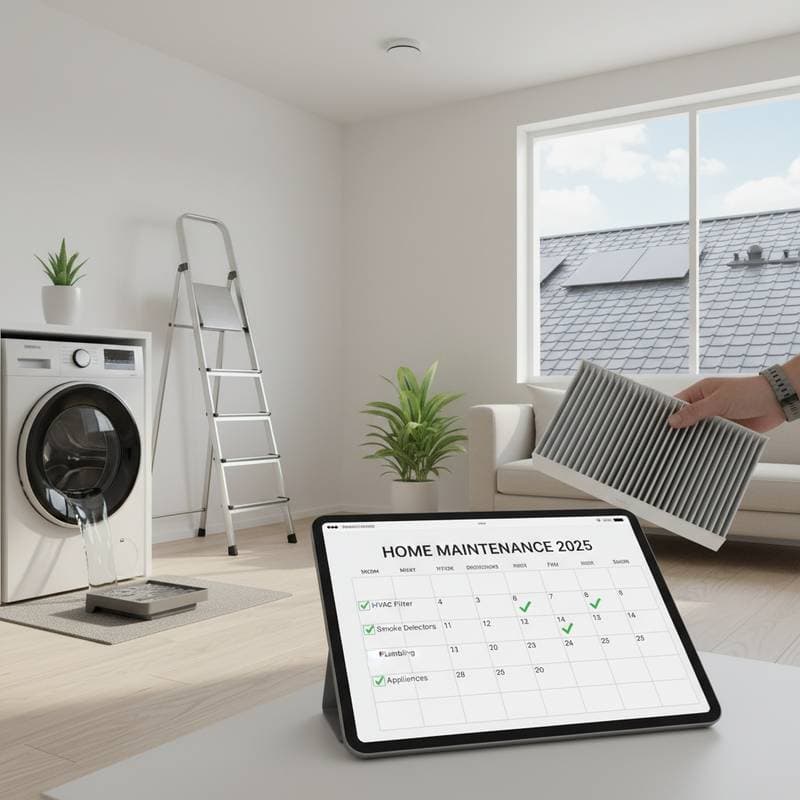
Preventive maintenance represents a wise strategy for homeowners seeking to protect their property. Dedicate a few hours each month to these tasks, and avoid thousands of dollars in potential emergency repairs. Consistent checks maintain operational efficiency, detect concealed damage early, and address minor issues before they escalate. The following checklist outlines key activities to safeguard your home and finances year-round.
Inspect HVAC Filters and Vents
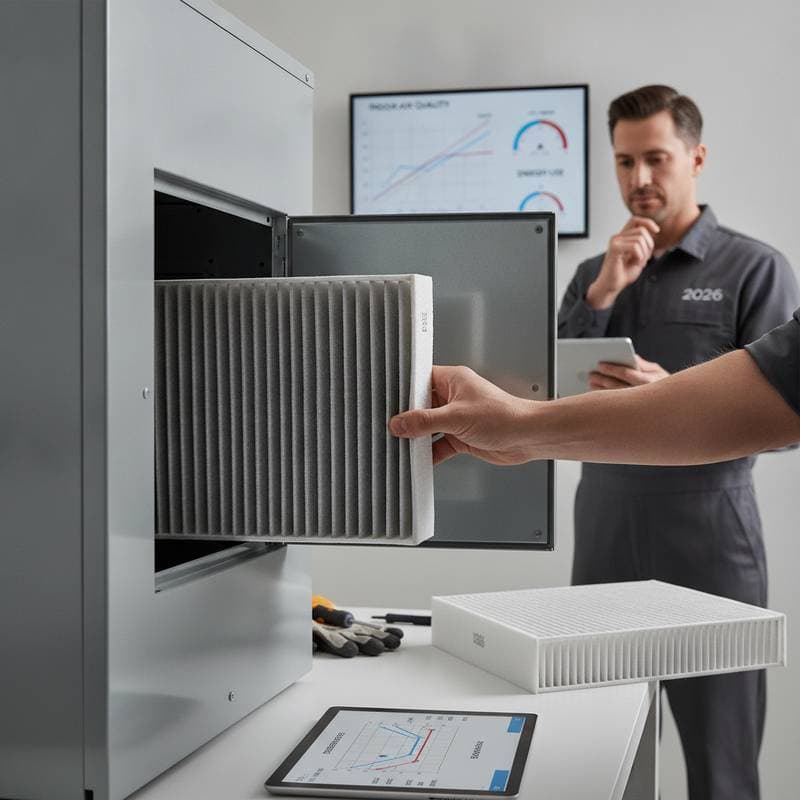
Heating, ventilation, and air conditioning systems operate relentlessly to regulate indoor comfort. Dust accumulation in filters reduces airflow and increases energy consumption. Examine filters monthly; replace them if they appear gray or obstructed. Basic fiberglass filters cost approximately five dollars, whereas high-efficiency pleated varieties range from fifteen to forty dollars.
Vacuum return vents and registers using a brush attachment to eliminate debris that impedes circulation. Clean filters can decrease energy expenses by up to fifteen percent and lessen strain on the blower motor. Uneven room temperatures or musty smells signal the need for a professional duct evaluation, which averts failures in compressors or fans.
Test Smoke and Carbon Monoxide Detectors
Safety equipment functions effectively only with proper upkeep. Activate the test button on each smoke and carbon monoxide detector monthly. Replace batteries at least biannually, or immediately upon hearing the low-battery alert. Gently vacuum the exterior to remove dust that might impair sensor performance.
These devices generally endure eight to ten years. Mark the installation date on the back of each unit to track replacement timelines. Combination units, priced between twenty-five and fifty dollars, offer dependable coverage in kitchens, hallways, and bedrooms.
Check Faucets, Toilets, and Water Lines
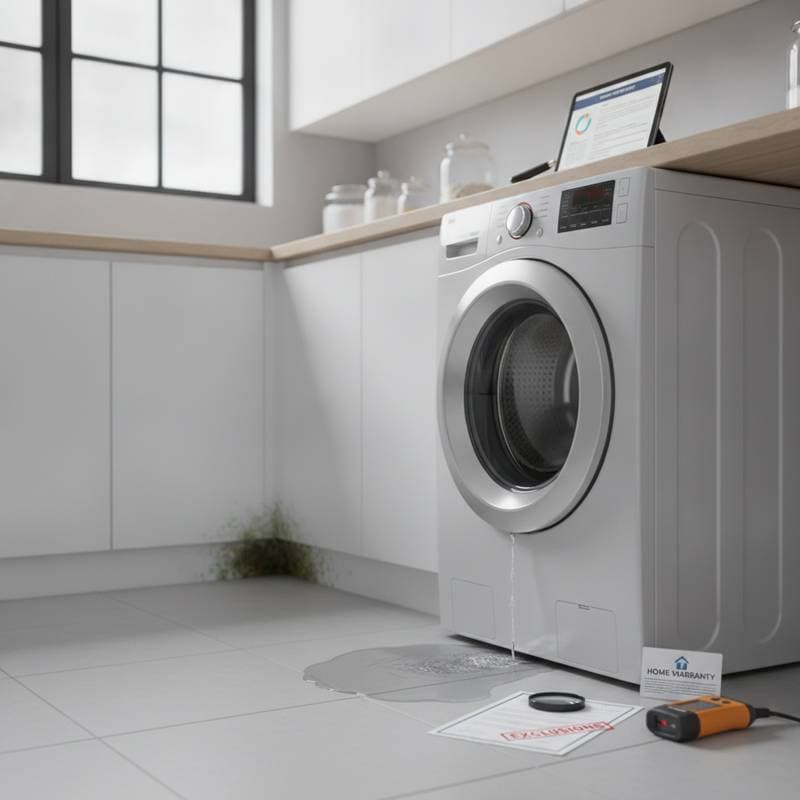
Even a minor drip wastes substantial water volumes monthly. Scrutinize faucets for leaks at handles and spouts; tighten connections with an adjustable wrench or install new washers as needed. Inspect visible supply lines beneath sinks and behind toilets for signs of dampness or rust.
To evaluate toilet efficiency, introduce food coloring drops into the tank and observe for ten minutes without flushing. Colored water in the bowl indicates a faulty flapper valve. Replacement components cost under ten dollars, with repairs requiring less than thirty minutes. Prompt fixes prevent harm to floors, cabinets, and walls.
Clean Range Hood Filters and Kitchen Drains
Grease from cooking accumulates rapidly, compromising ventilation and elevating fire hazards. Detach metal filters from the range hood and immerse them in hot water mixed with degreasing dish soap. Rinse completely and air-dry prior to reinstallation.
For sink drains, pour hot water followed by baking soda, then add white vinegar to dissolve residue and eliminate odors. After ten minutes, flush with boiling water. This method clears pipes effectively without relying on chemical cleaners, avoiding clogs and backups.
Inspect and Clean Refrigerator Components
Dust on condenser coils compels the compressor to labor excessively, inflating energy costs. Disconnect power, slide the refrigerator away from the wall, and vacuum coils with a soft brush tool. Clean the door gasket using warm, soapy water to preserve an airtight seal.
During maintenance, verify the drip pan for accumulated water and drain it if present. Routine cleaning prolongs appliance lifespan by years and ensures uniform cooling. Consistent care also optimizes food preservation and reduces operational noise.
Examine Windows and Doors for Drafts
Gaps around windows and doors drive up heating and cooling expenses. Pass your hand along frames to detect escaping air. Substitute damaged weatherstripping or apply caulk to seal openings narrower than one-quarter inch.
Foam tape or silicone seals, available for under twenty dollars, substantially curb energy loss. Clear window tracks of debris and apply lubricant to hinges for smooth operation. Enhanced sealing improves indoor comfort and eases HVAC demands.
Flush and Inspect the Water Heater
Sediment buildup in the tank diminishes heating efficiency and accelerates wear. Attach a garden hose to the drain valve at the tank base; direct water into a bucket or floor drain until it runs clear, flushing several gallons. Secure the valve firmly upon completion.
Adjust the temperature to approximately 120 degrees Fahrenheit for optimal balance between comfort and savings. Rumbling sounds or rusty water necessitate a professional service. Scheduled maintenance postpones the need for full replacements, which can exceed one thousand dollars.
Examine Exterior Drainage and Gutters
Effective drainage preserves foundation integrity by diverting moisture. After rainfall, inspect the perimeter to ensure downspouts channel water at least five feet from the structure. Remove leaves and debris from gutters to avert overflows and winter ice dams.
Identify sagging gutters or unsecured brackets for immediate correction. Addressing these prevents water penetration into walls. Persistent pooling near the base requires downspout extensions or soil regrading to direct runoff away.
Test Garage Door Safety Features
Contemporary garage doors incorporate auto-reverse mechanisms and sensors demanding periodic verification. Position a two-inch wooden block beneath the door and operate the closer; it must reverse upon contact. Wipe photo-eye sensors clean and confirm alignment.
Apply silicone spray to hinges, rollers, and springs for fluid movement. Annual professional adjustments, costing about one hundred dollars, mitigate risks of cable snaps or spring breaks, which trigger urgent and pricey interventions.
Review Electrical Outlets and Cords
Defective electrical components rank among primary fire causes. Survey rooms for outlets that feel warm, lights that flicker, or breakers that trip. Swap out fractured cover plates and refrain from overloading extension strips.
Burnt plastic odors or char marks demand immediate circuit shutdown and electrician consultation. Organize cables, fasten loose wires, and test surge protectors during reviews. These habits fortify system reliability and avert device failures.
Examine Roof and Attic Areas
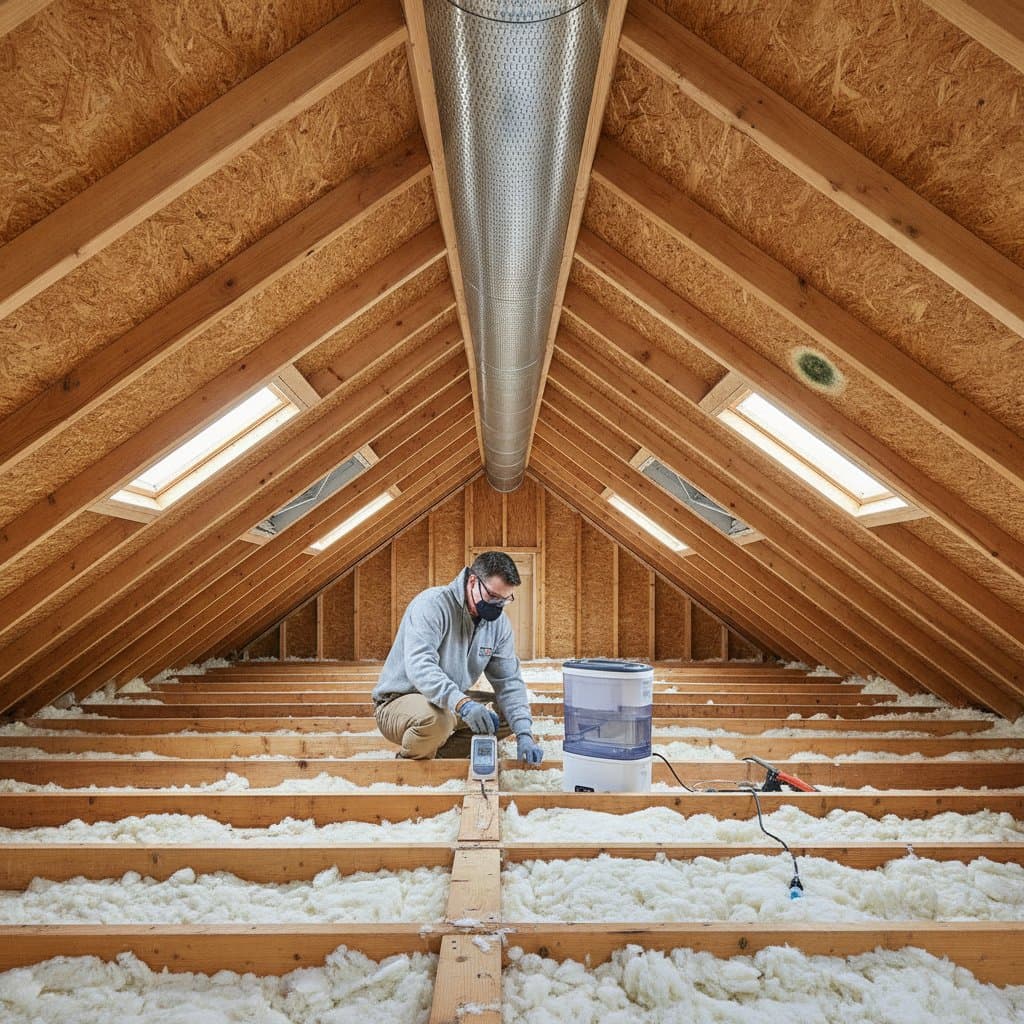
Subtle roof defects can precipitate extensive interior harm. From ground level, scan for absent shingles, corroded flashing, or drooping gutters; employ binoculars for detail. In the attic, check insulation for moisture and ceilings for discoloration indicating leaks.
Ensure vents remain unobstructed to promote airflow and inhibit mold growth. Verify insulation placement to maintain thermal performance. Timely observations facilitate targeted repairs, sparing ceilings and walls from water damage.
Build Lasting Home Resilience with Consistent Care
Incorporate these monthly inspections into your routine to foster a durable, efficient living space. Each task demands minimal time yet yields substantial returns in safety, savings, and serenity. By prioritizing prevention, homeowners secure their most significant asset against unforeseen disruptions.