Understanding 2025 Greywater System Costs and Permit Requirements
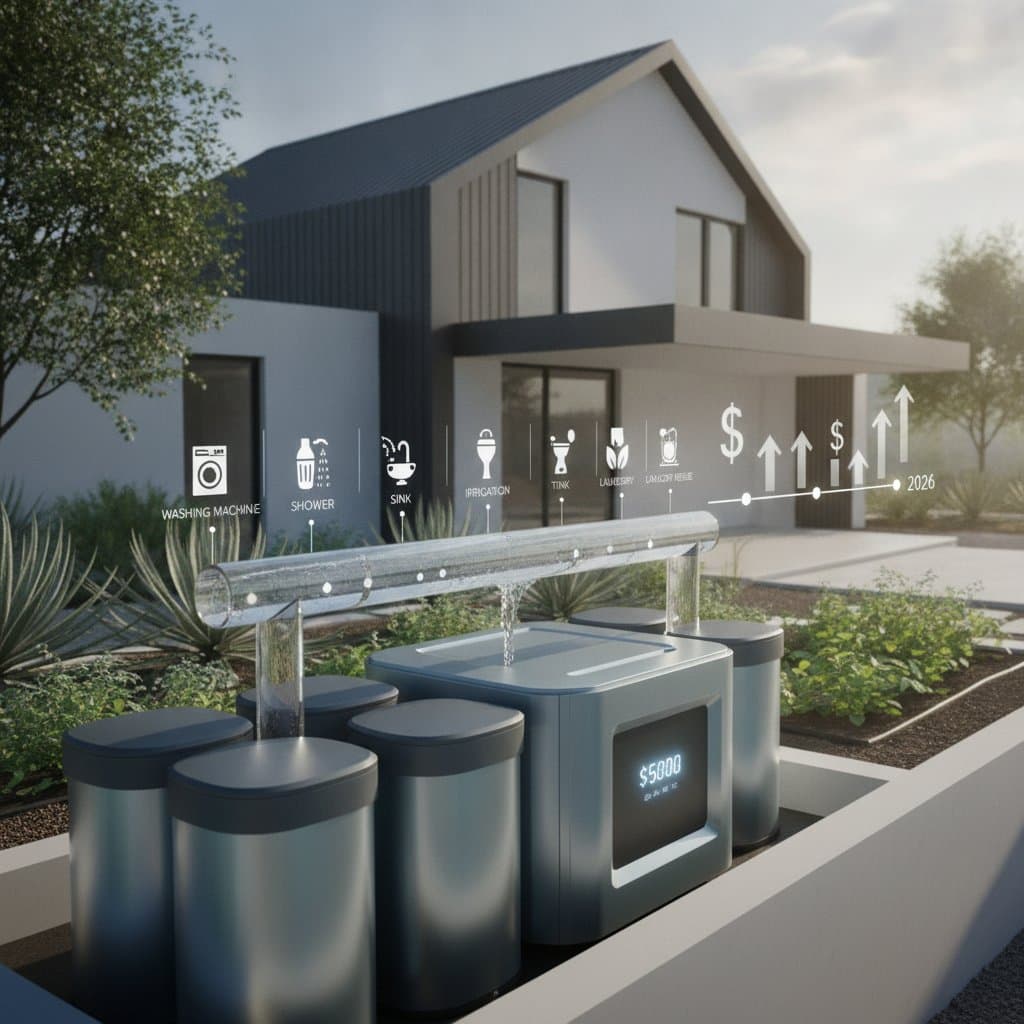
Sustainable water management gains importance as water scarcity increases. Greywater systems collect water from sinks, showers, and laundry for reuse in irrigation or toilet flushing. Costs and permits vary by system type and location, so property owners benefit from evaluating these elements prior to installation.
Core Elements of Greywater System Pricing
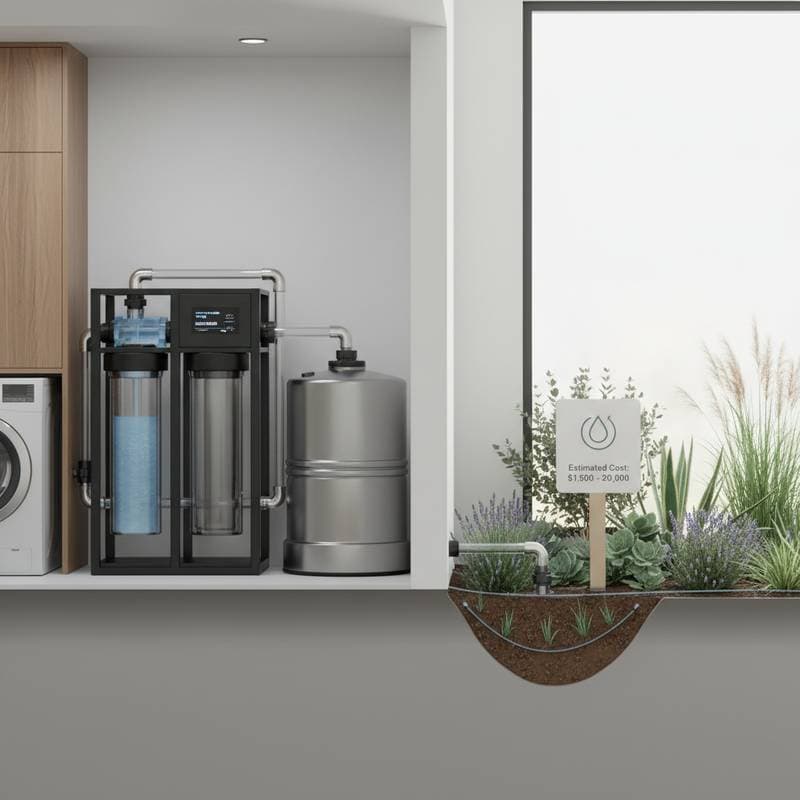
Greywater installations encompass design, materials, labor, and compliance expenses. Residential systems average $1,500 to $5,000 for professional setups, scaled by complexity. Commercial installations often surpass $20,000 with features like advanced filtration.
National Cost Benchmarks
Basic laundry-to-landscape systems cost $1,500 to $2,500. Comprehensive irrigation networks range from $4,000 to $6,000. Filtration and UV disinfection add $8,000 to $10,000 for mid-range options, per industry standards.
Regional Cost Differences
Labor rates, permits, and water needs drive variations. Coastal areas like California face higher costs from regulations and installer demand. Rural locations offer lower prices but fewer experts. Urban centers increase labor fees yet provide rebates to offset investments.
Seasonal and Economic Influences
Spring and summer demand elevates rates during peak irrigation seasons. Material prices for piping and filters fluctuate with economic conditions. Droughts boost demand, causing temporary increases and extended wait times. Higher water bills encourage installations, while inflation raises material and fuel costs. Incentives reduce net expenses by 15 to 25 percent in eligible areas.
Common Pricing Approaches
Providers apply varied models based on project scope. Homeowners compare bids by recognizing these structures.
Hourly Versus Flat-Rate Options
Hourly charges of $75 to $150 apply to consultations or repairs. Flat fees suit full installations, such as $2,000 for basic systems or $5,000 to $7,000 for irrigation setups.
Unit or Project Pricing
Multi-unit properties use per-unit rates of $1,200 to $2,000 for shared systems. Single homes receive project quotes covering all elements.
Bundled Packages
Bundles combine design, materials, installation, and permitting for $4,500 to $6,500. These packages streamline processes for code novices.
Maintenance Cost Models
Subscriptions cost $20 to $60 monthly for checks and repairs. One-time visits range from $150 to $300.
System Tiers and Associated Costs
Tiers match budgets and needs, from simple redirects to smart integrations.
Entry-Level Systems
These direct laundry or shower water to irrigation without filters, costing $1,500 to $2,500. Maintenance stays low, suitable for non-edible plants.
Mid-Range Systems
Filtration and tanks enable broader use, priced at $3,500 to $5,500. Pumps regulate flow for code compliance and savings.
Advanced Systems
Automation, sensors, and UV treatment support indoor reuse, ranging $8,000 to $12,000. Expertise justifies the premium.
Custom Installations
Bespoke designs for estates exceed $20,000, often merging with other water systems. Engineering fees alone reach $2,000 to $4,000.
Factors Shaping Greywater Expenses
Project Scale and Scope
Small homes need less infrastructure than large properties with multiple zones. Bigger systems demand robust pumps and tanks, elevating costs.
Technical Complexity
Indoor reuse requires certified plumbers and inspections. Trenching or electrical work adds labor. Gravity-fed designs simplify and reduce expenses.
Installation Timeline
Basic projects finish in one to three days; complex ones take a week. Multiple trades extend costs, as do permit delays.
Material Requirements
Piping, valves, filters, and tanks form core expenses. A 200-gallon tank costs $400 to $700; pumps $250 to $600. Smart controls increase totals.
Additional Services and Fees
Quotes often exclude extras, so review carefully.
Permitting Support
Assistance with applications and inspections costs $300 to $800. Engineering stamps add $200 to $400.
Design Fees
Custom plans range $500 to $2,000, including calculations and drawings.
Maintenance Plans
Annual packages of $250 to $500 cover cleaning and replacements. Neglect risks expensive fixes.
Rush Services
Priority scheduling adds 10 to 20 percent during busy periods.
Navigating Permits and Regulations
Permits vary by jurisdiction, impacting timelines and costs.
Permit Types
Simple outdoor systems need basic notifications; complex ones require full plumbing permits and backflow devices. Fees span $100 to $1,000.
Inspection Processes
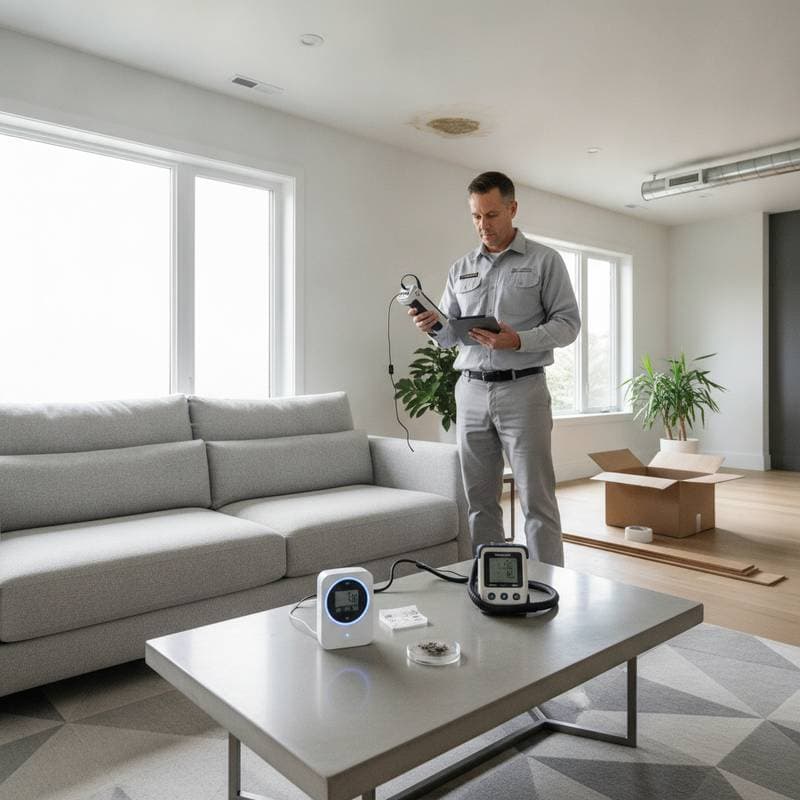
Inspectors confirm contamination prevention, labeling, and overflows. Failures incur $100 to $300 reinspection fees.
Location-Specific Rules
Arid areas offer $500 to $1,000 rebates. Wet regions enforce stricter codes against saturation.
Avoiding Delays
Secure approvals first and use local experts. Established contractor-inspector ties speed reviews.
Achieving Effective Greywater Implementation
Greywater systems cut outdoor water use by 30 to 50 percent, accelerating returns. Integrate during new builds to minimize costs. Select licensed installers with references and itemized bids. Compare options to align cost, compliance, and performance. Thorough preparation ensures reliable recycling, supporting environmental and financial goals.