Fall HVAC Filters: Schedules and Types Decoded
A crisp chill in the air marks the onset of heating season, when your HVAC system shifts into high gear. Homeowners often overlook the role of a clean filter in maintaining air quality and operational efficiency. If your furnace or heat pump runs sluggishly or energy bills rise unexpectedly, a clogged filter could be the culprit. Knowledge of filter schedules and types ensures a comfortable home and cleaner air throughout the season.
Why Regular Filter Changes Matter
HVAC filters capture dust, pollen, pet hair, and other airborne particles before they enter your ductwork. Accumulation of these particles over time restricts airflow, forcing the system to labor more intensely. This increased effort results in elevated energy consumption, accelerated component wear, and inconsistent heating distribution.
The National Air Filtration Association advises inspecting filters monthly and replacing them every 60 to 90 days. Factors such as filter type, household occupancy, and local air quality influence this timeline. Residences with pets, smokers, or individuals prone to allergies benefit from adhering to the more frequent interval.
Quick Reference: Typical Replacement Schedules
| Filter Type | Lifespan | Best For | Replacement Frequency |
|---|---|---|---|
| Fiberglass (1 inch) | 30 days | Basic dust control | Monthly |
| Pleated (1 to 2 inches) | 60 to 90 days | Standard homes | Every 2 to 3 months |
| High Efficiency (4 to 5 inches) | 6 to 12 months | Allergy or asthma households | Twice a year |
| Washable Electrostatic | 6 to 8 years (with cleaning) | Eco-conscious users | Clean every 30 days |
These guidelines serve as a baseline, yet individual homes vary. Replace the filter promptly if it appears gray or laden with dust, irrespective of the scheduled interval.
Understanding Filter Ratings: MERV, MPR, and FPR
Filter packaging displays ratings such as MERV, MPR, or FPR, each indicating particle capture efficiency for different sizes.
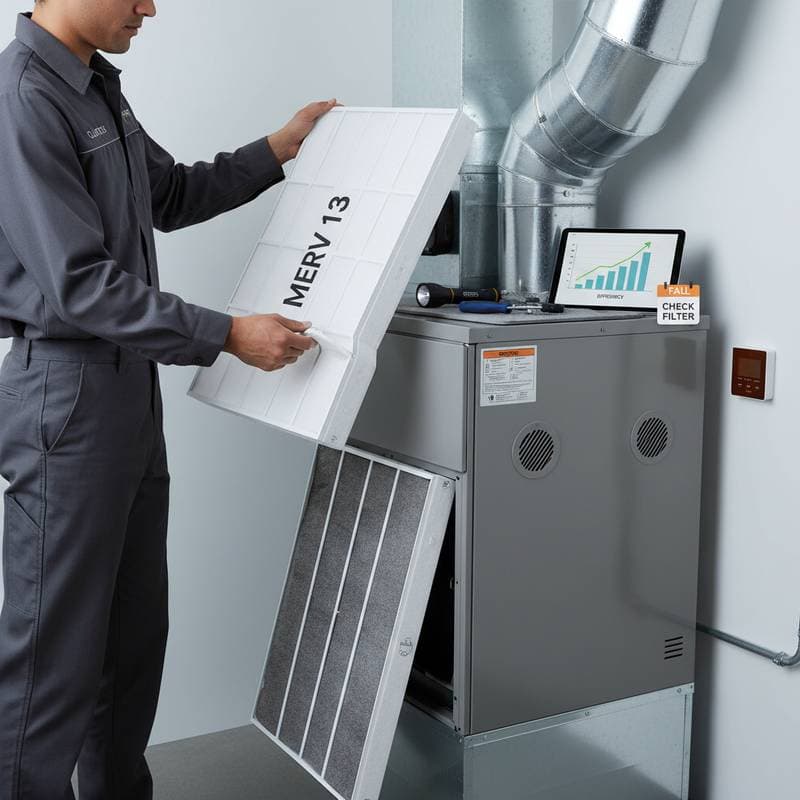
- MERV (Minimum Efficiency Reporting Value): Scales from 1 to 16. MERV 8 filters effectively trap household dust, whereas MERV 13 variants capture bacteria and smoke particles.
- MPR (Microparticle Performance Rating): Ranges from 300 to 2200. Elevated scores signify superior filtration of fine particulates.
- FPR (Filter Performance Rating): Employed by select retailers, it spans 4 to 10, with 10 denoting peak efficiency.
Residential HVAC systems typically perform best with MERV 8 to 11 filters, which balance airflow and filtration. Higher ratings risk impeding airflow in standard setups. Review your furnace manual or seek professional advice prior to selecting an upgrade.
How to Choose the Right Filter Type
Filter materials deliver distinct benefits, with selection guided by household requirements, budget constraints, and system specifications.
Fiberglass Filters
These budget-friendly options, priced at 1 to 3 dollars per unit, safeguard against large debris yet offer minimal improvement to indoor air quality. They suit homes lacking pets or allergy issues, where affordability takes precedence.
Pleated Filters
Constructed from folded polyester or cotton, pleated filters enhance particle retention. A MERV 8 pleated model, lasting up to three months and costing 10 to 20 dollars, supports families aiming for improved air without straining the blower motor.
Electrostatic Filters
These rely on static charge to draw in particles. Reusable models allow rinsing and redeployment, promoting long-term savings, though regular upkeep remains essential. Ensure complete drying post-cleaning to avert mold development.
High-Efficiency Filters
Measuring 4 to 5 inches in depth, these provide advanced air purification for allergy or respiratory-sensitive environments. Often rated MERV 13 and priced at 40 to 80 dollars, they endure six months or more. Certain systems require modified housings to fit their dimensions.
How to Replace Your HVAC Filter
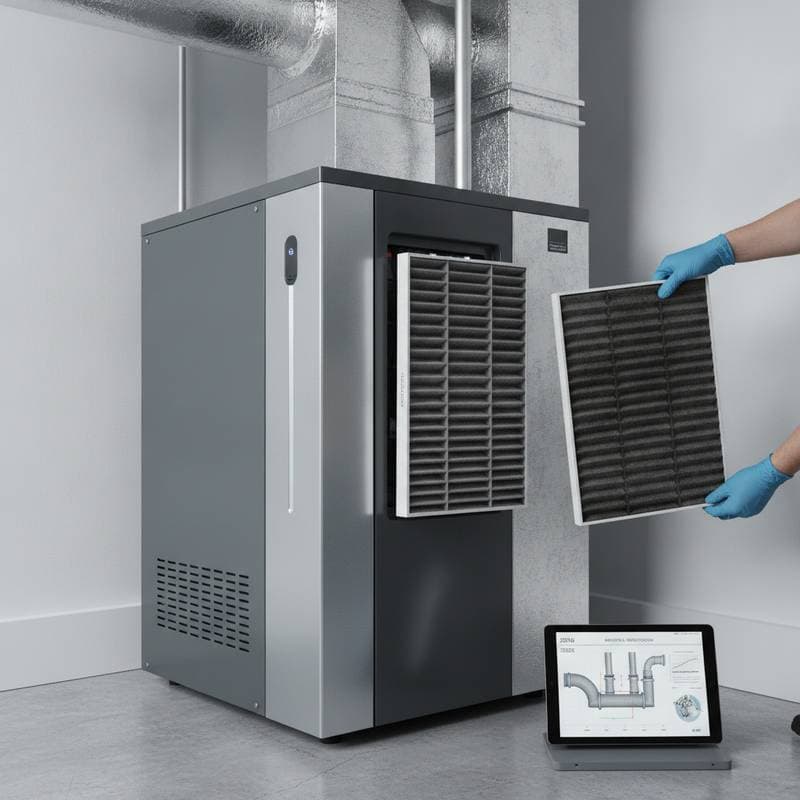
Most homeowners complete filter replacement in under five minutes using basic tools like a tape measure and the appropriate new filter.
- Locate the filter slot: It resides behind a return vent or within the furnace cabinet.
- Turn off the system: Disconnect power to the unit for safety.
- Check the size: Frame markings, such as 16x25x1, indicate dimensions; verify with measurement.
- Insert the new filter: Align the airflow arrow toward the furnace or air handler.
- Record the date: Inscribe the installation date on the frame using a permanent marker for future reference.
For reusable filters, wash with mild soap and water, then dry thoroughly before reinsertion.
Common Mistakes to Avoid
Subtle errors can compromise HVAC longevity and performance.
- Forcing the wrong filter size: Gaps as small as a quarter-inch permit unfiltered air entry.
- Ignoring airflow direction: Backward installation diminishes effectiveness.
- Skipping replacements: Delays until system strain occur lead to energy waste and potential blower damage.
- Choosing too high a MERV rating: Undesigned systems face airflow limitations and overheating risks.
- Forgetting to check reusable filters: Monthly cleaning prevents buildup in washable types.
Steering clear of these pitfalls sustains system reliability and air purity.
When to Call a Professional
Persistent poor airflow post-replacement or sudden system shutdowns warrant expert evaluation. A certified HVAC technician assesses static pressure, inspects for duct leaks, and confirms blower functionality. They also suggest system-compatible filter enhancements.
Seasonal Filter Strategy for Fall
Fall presents an ideal opportunity to recalibrate your maintenance routine. Summer operation accumulates pollen and dust in filters; swap them before activating heat. Schedule a follow-up inspection six weeks into the season, adjusting for pets or dusty locales with an additional change pre-winter.
Practical fall steps include:
- Purchasing filters in bulk to sidestep seasonal shortages.
- Vacuuming vent covers to enhance circulation and minimize debris recirculation.
- Positioning a flashlight by the furnace for convenient monthly checks.
Long-Term Benefits of Proper Filter Maintenance
Consistent filter care extends HVAC lifespan, stabilizes energy costs, and elevates indoor air standards. Homeowners who integrate these practices report fewer repairs and noticeable bill reductions. By prioritizing this straightforward task, you secure a healthier, more efficient living environment across seasons.