Essential Fall HVAC Tune-Ups to Avoid Costly Winter Failures
A fall HVAC tune-up ranks among the most prudent steps homeowners take as cooler weather approaches. Heating systems face increased demands when temperatures fall, and minor problems can escalate into major disruptions. Professional inspection and servicing equip your setup for dependable performance, minimizing the risk of unexpected expenses.
Optimal Timing for HVAC Servicing
Fall provides an ideal period for maintenance due to moderate temperatures and lighter demand on service providers. Technicians handle routine checks with greater availability before winter urgency sets in. This timing allows thorough attention without the delays common during peak cold spells.
A serviced system operates with higher efficiency, reducing energy consumption. Heating represents a significant portion of household energy use, according to the U.S. Department of Energy. Accumulated dust, restricted filters, or outdated parts compel the furnace to labor excessively, driving up bills and accelerating wear.
Key Procedures in a Professional Furnace Tune-Up
Technicians adhere to a comprehensive protocol during a tune-up, covering inspection and optimization. Homeowners benefit from knowing these elements to appreciate the service's thoroughness.
Standard procedures encompass:
-
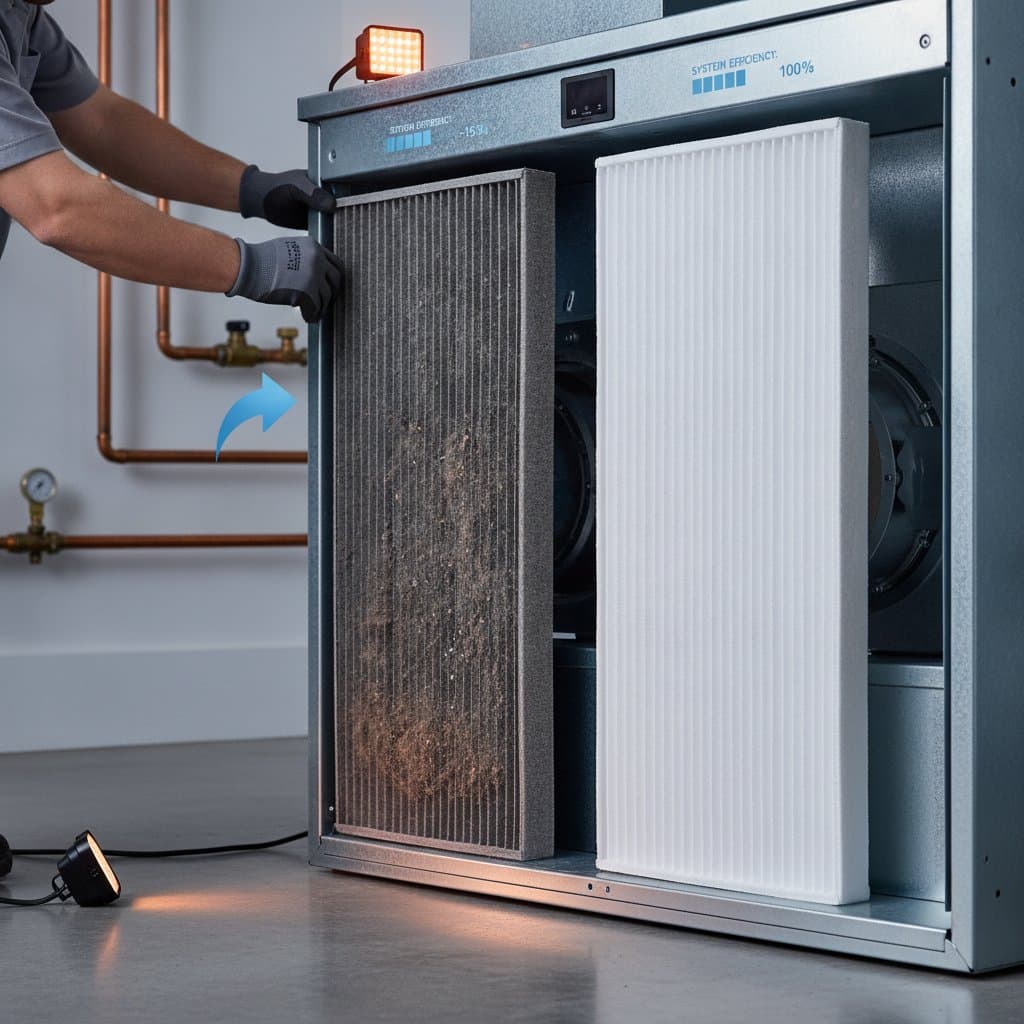
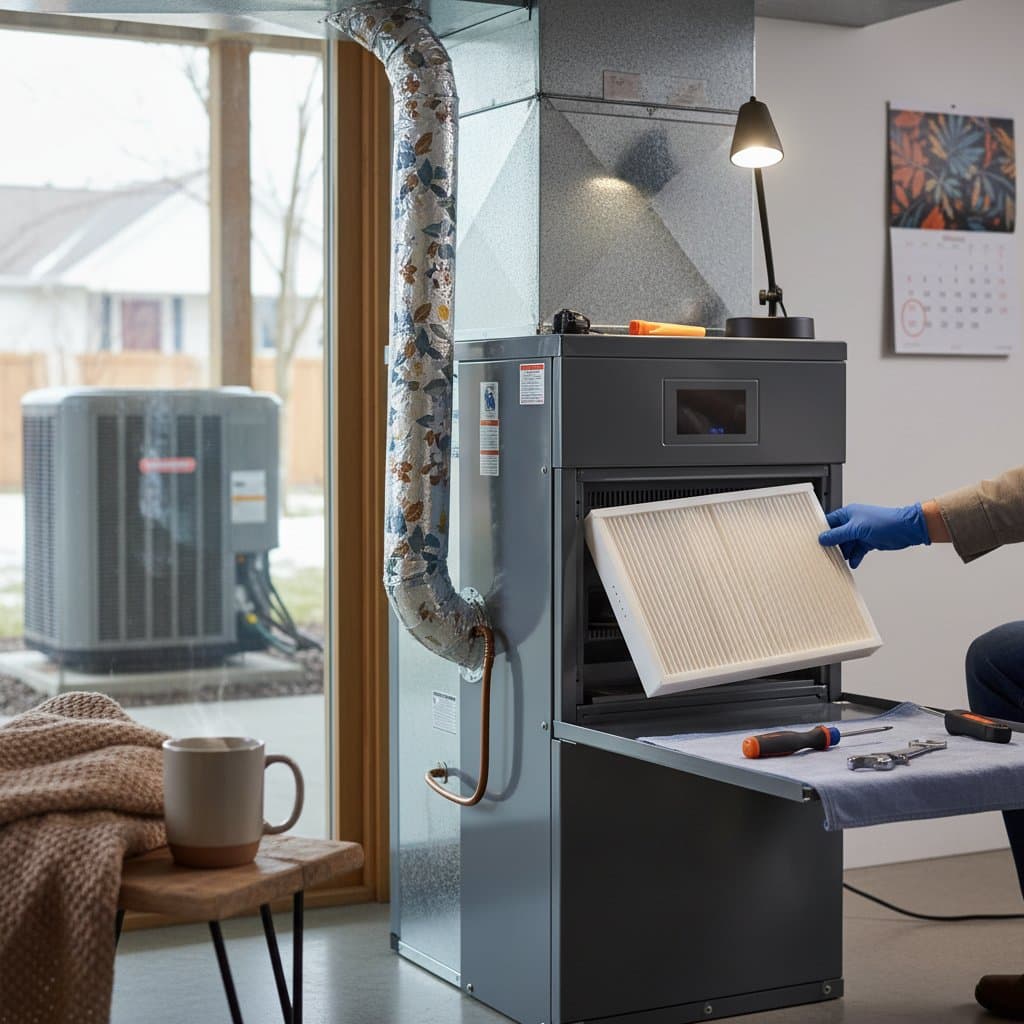
Filter servicing. Professionals replace or clean filters to restore unrestricted airflow and ease motor strain. This basic action supports overall system vitality.
-
Thermostat adjustment. They calibrate the device to align displayed temperatures with actual conditions, promoting even comfort levels.
-
Burner and ignition evaluation. Cleaning removes residue that impairs combustion or poses risks, while testing confirms reliable operation.
-
Blower maintenance. Technicians clear debris from the blower assembly and apply lubricant to components, enhancing airflow and durability.
-
Electrical system review. They secure connections and inspect for corrosion to avert shorts or malfunctions.
-
Safety device verification. Limit switches, flame sensors, and similar safeguards undergo testing to ensure proper function.
-
Venting system assessment. For gas units, experts examine flues to guarantee safe exhaust of combustion byproducts like carbon monoxide.
These measures sustain reliability and safety during harsh weather. Overlooking them invites inefficiency, inconsistent heat distribution, or total system outages.
Practical DIY Tasks for Ongoing Care
Professional tune-ups form the foundation, yet homeowners contribute through routine actions that bridge service intervals.
-
Replace filters every one to three months, adjusting frequency based on factors like pet presence or allergy concerns. Unobstructed airflow lessens fan motor stress.
-
Ensure vents and registers remain free from obstructions such as furniture or carpeting. This preserves balanced circulation and temperature control.
-
Vacuum the area surrounding the furnace to limit dust ingress. Accumulated particles can infiltrate and damage internal parts.
-
Monitor thermostat batteries and swap them out if the display fades or responsiveness lags.
-
Clear debris from outdoor heat exchanger units, maintaining a two-foot clearance for optimal airflow.
Such practices amplify the tune-up's impact, fostering steady performance year-round.
Financial Implications of Deferred Maintenance
Postponing HVAC attention appears minor initially, yet consequences mount rapidly. A single clogged filter diminishes efficiency and inflates heating expenses. Unaddressed issues like a failing blower or frayed belt lead to abrupt failures, stranding homes in cold until repairs occur.
Emergency interventions typically command premiums two to three times higher than planned visits. Energy Star research indicates that maintained systems endure up to 30 percent longer than those ignored. Given replacement costs, this longevity translates to substantial savings. Consistent care also upholds manufacturer warranties, essential for future claims.
Indicators Requiring Expert Intervention
Systems may appear operational, but certain symptoms demand prompt professional evaluation.
-
Rattling, clicking, or other atypical sounds during operation.
-
Disparities in room temperatures across the home.
-
Odors resembling burning or dampness upon startup.
-
Frequent on-off cycles that disrupt normal function.
-
Unexpected increases in utility statements.
Address these by engaging a qualified technician. Amateur attempts at intricate repairs risk exacerbation or safety compromises.
Sustaining Long-Term System Performance
Beyond averting failures, fall tune-ups safeguard a critical home asset. Reliable furnaces provide uniform warmth, trim operational costs, and elevate air quality. Efficient use further lessens environmental impact.
Homeowners committing to annual servicing sidestep winter surprises. They gain assured comfort, enhanced safety, and optimized equipment longevity. Select certified providers who deliver transparent reports and straightforward fees for optimal outcomes.
This upfront effort yields enduring returns in dependability and tranquility. As chill deepens, a prepared heating system ensures warmth without worry, balancing comfort with fiscal prudence through the entire season.