The Fall Tune-Up That Saves Your Winter Heating Bills
As temperatures drop, a simple fall tune-up can make all the difference between cozy evenings and costly heating bills. Preparing your heating, ventilation, and air conditioning system before winter sets in helps maintain comfort, extends equipment life, and keeps energy costs under control. Many homeowners overlook this seasonal maintenance step, yet it is one of the easiest ways to ensure reliable performance when you need it most.
Why a Fall Furnace Tune-Up Matters
Your heating system works hardest during the coldest months. Dust, worn parts, and minor issues that go unnoticed in warmer seasons can quickly escalate into expensive repairs or inefficient operation. A fall tune-up ensures your furnace runs safely and efficiently, giving you peace of mind throughout the winter.
Regular maintenance can improve energy efficiency by up to 20 percent, reduce the risk of breakdowns, and help your system deliver consistent heat. It also ensures that safety controls, ignition systems, and airflow are all functioning correctly. Technicians often find and address small problems, such as dirty burners or loose wiring, that could otherwise lead to higher fuel consumption or hazardous conditions.
Key Benefits of a Fall HVAC Maintenance Check
A professional fall tune-up offers multiple advantages that go beyond saving money. These benefits include direct improvements in performance and long-term reliability.
- Lower Heating Costs: Clean filters and calibrated components allow your furnace to use less energy to reach the same temperature. For example, a well-maintained system might reduce natural gas usage by 10 to 15 percent during peak winter months.
- Improved Air Quality: Removing dust and debris prevents allergens from circulating through your home. This step involves vacuuming coils and ducts, which can significantly cut down on indoor pollutants.
- Extended Equipment Life: Properly maintained systems last longer and experience fewer mechanical failures. Routine care can add years to your furnace's lifespan, delaying the need for a full replacement.
- Fewer Emergencies: Detecting worn belts, loose connections, or malfunctioning sensors early prevents mid-winter breakdowns. Professionals use diagnostic tools to spot issues before they cause system shutdowns.
- Consistent Comfort: Balanced airflow and fine-tuned thermostats help maintain even heat throughout your home. This eliminates cold spots and reduces the need for constant adjustments.
What a Professional Tune-Up Includes
When scheduling your fall furnace tune-up, expect a comprehensive inspection and cleaning. While details vary slightly by company, most services follow a standard protocol to cover all critical areas.
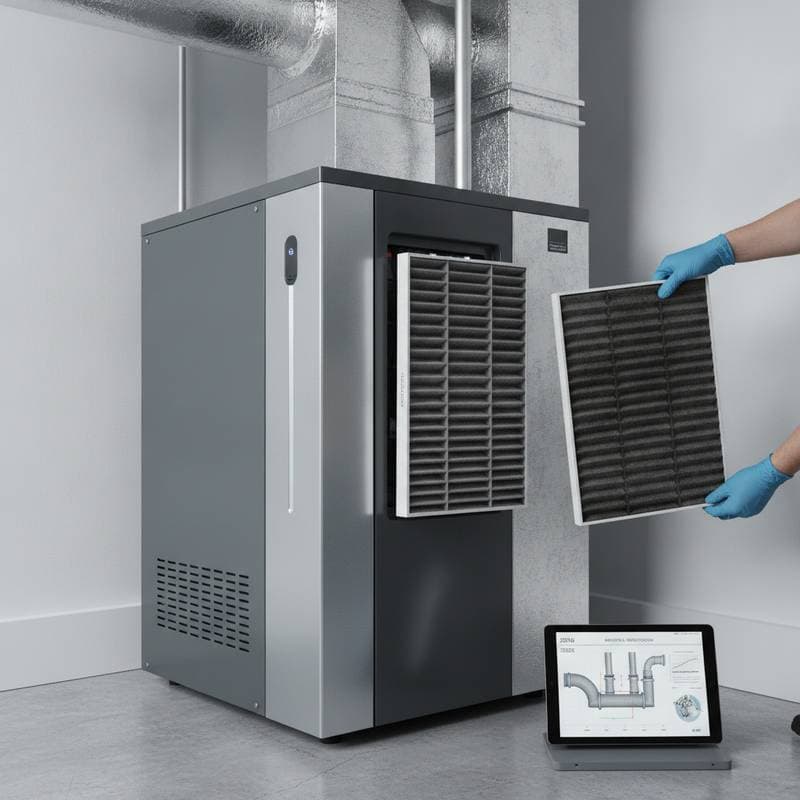
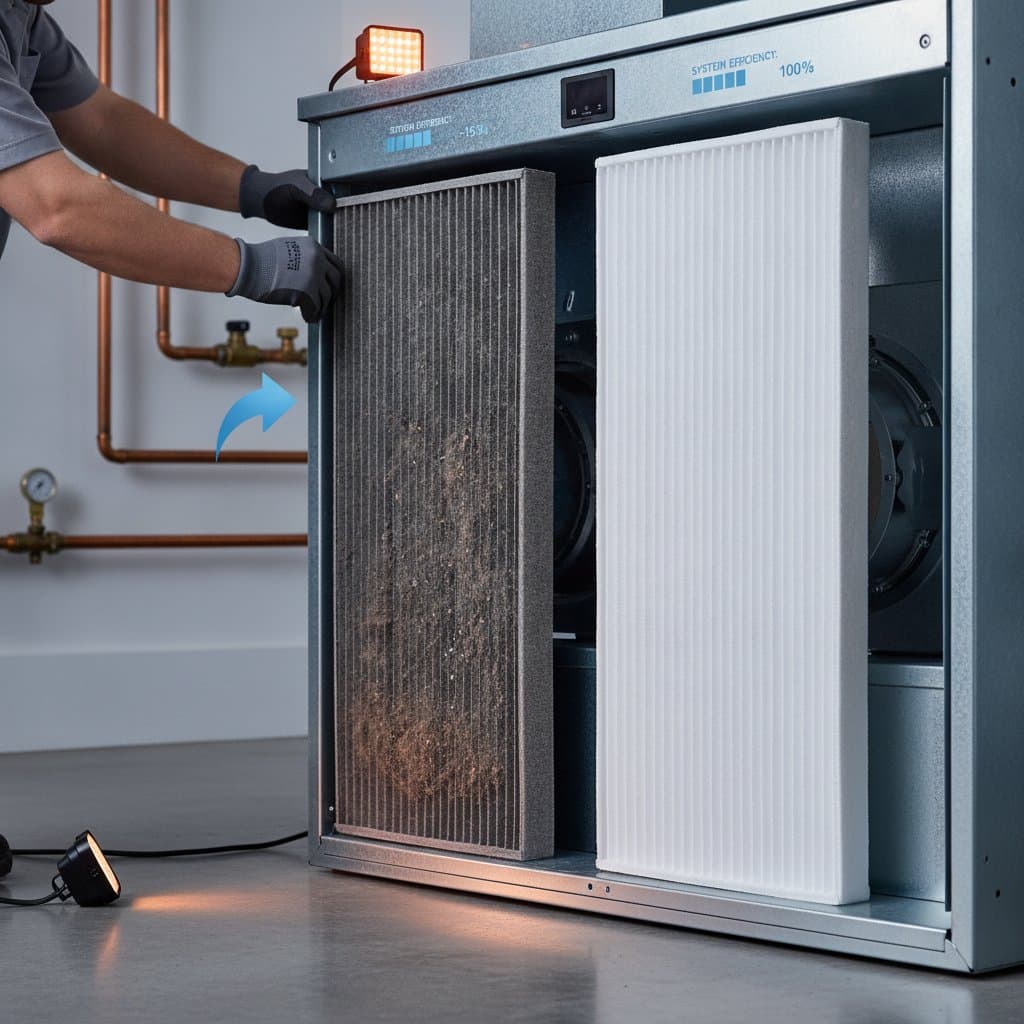
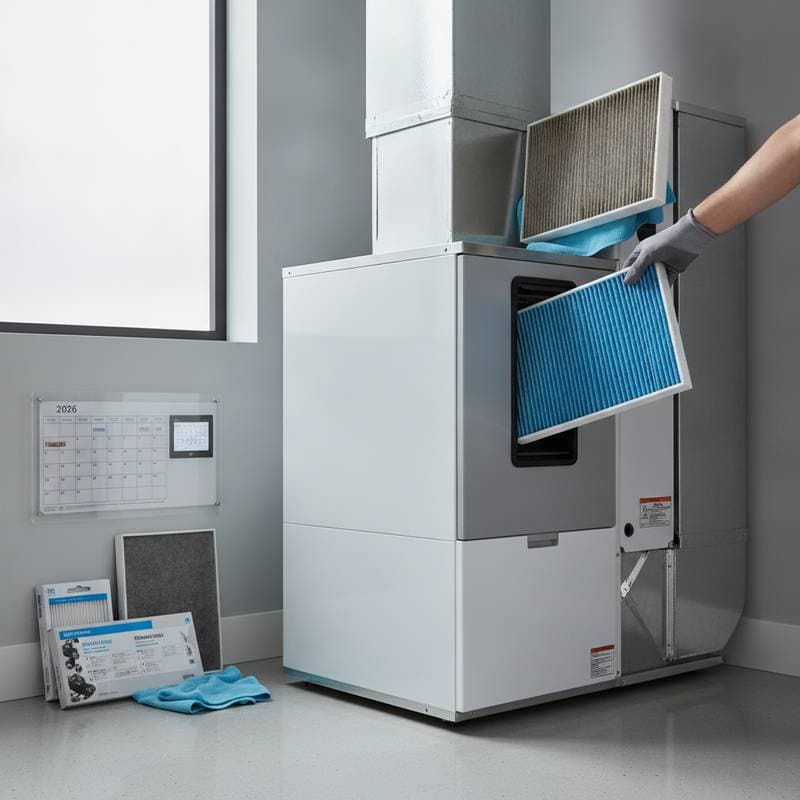
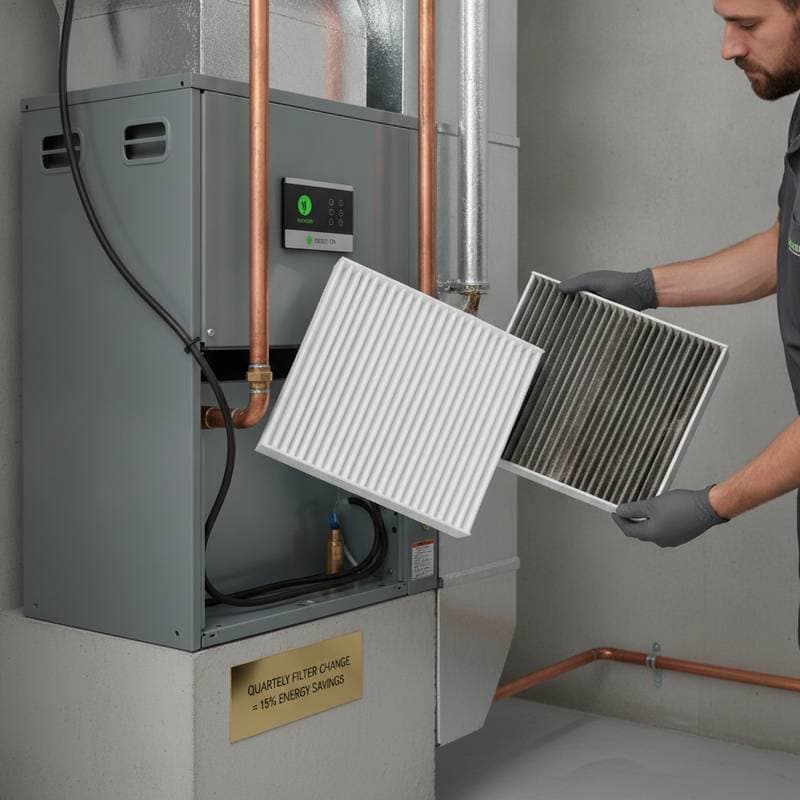
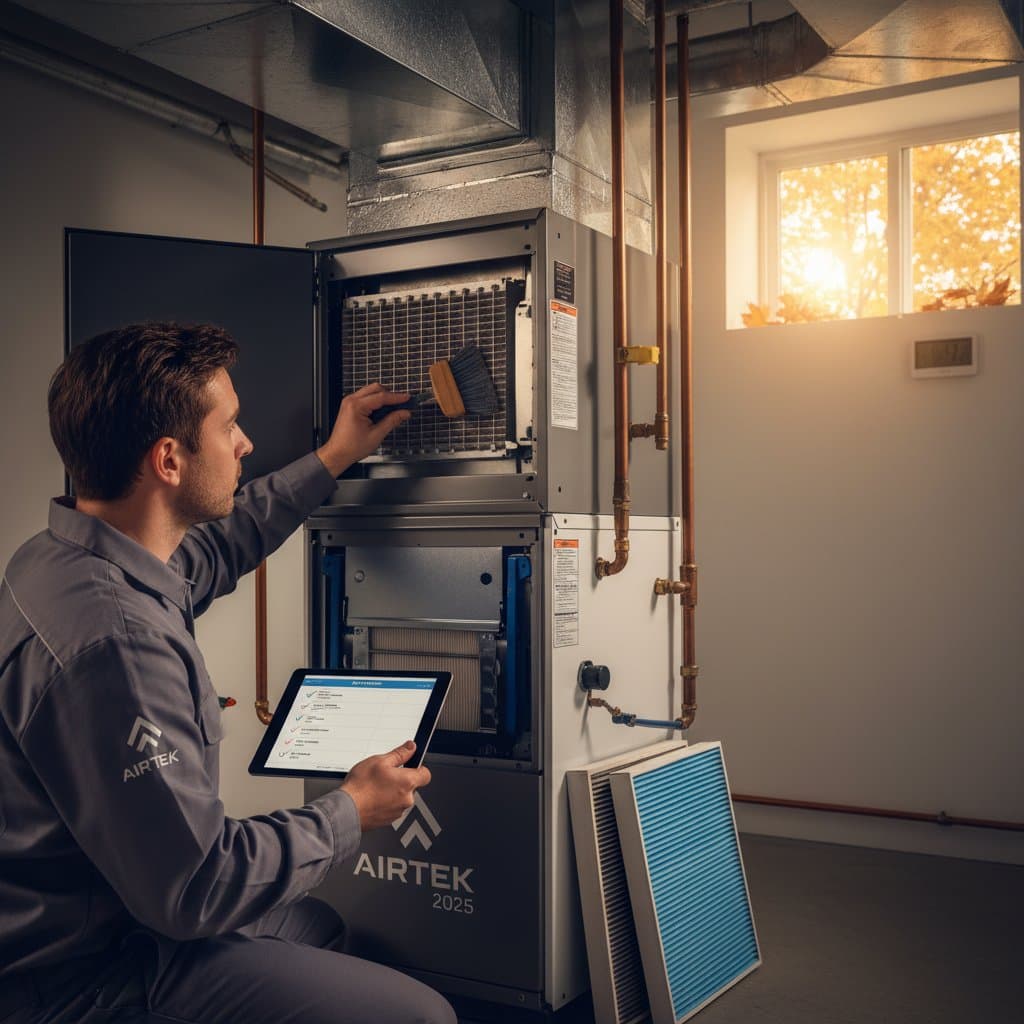
- Filter Replacement or Cleaning: Ensures proper airflow and efficiency by removing blockages that restrict air movement.
- Burner and Ignition Check: Keeps start-up smooth and safe by inspecting for soot buildup or faulty igniters.
- Heat Exchanger Inspection: Detects cracks or corrosion that could leak carbon monoxide, using visual and pressure tests.
- Motor and Blower Adjustment: Ensures proper speed and lubrication to avoid overheating or excessive noise.
- Thermostat Calibration: Confirms accurate temperature control, often including a test of programmable settings.
- Electrical Connection Tightening: Prevents potential shorts or voltage drops by securing all wiring.
- System Test Run: Confirms overall performance and safety through a full operational cycle under load.
DIY vs Professional Maintenance
Some homeowners prefer to handle light maintenance themselves, such as changing filters or cleaning vents. These are helpful steps, but a professional technician uses specialized tools to measure gas pressure, inspect electrical components, and test combustion efficiency.
| Aspect | DIY Maintenance | Professional Tune-Up |
|---|---|---|
| Tools Required | Basic household items | Specialized gauges and diagnostic equipment |
| Scope | Surface cleaning and filter changes | Full system inspection and adjustments |
| Safety Checks | Limited to visible issues | Comprehensive carbon monoxide and leak tests |
| Efficiency Gains | 5-10% improvement | Up to 20% or more with precise calibration |
| Risk | Potential for overlooked hazards | Minimal, with certified expertise |
Attempting a full tune-up without training can lead to missed issues or even safety hazards. If your furnace is older than 10 years or has shown signs of uneven heating, strange noises, or frequent cycling, hiring a professional is the safest and most cost-effective choice. A small investment in preventive care now can prevent far larger repair bills later, often saving hundreds of dollars in emergency service calls.
Preparing for Your Fall Furnace Tune-Up
Before your technician arrives, take a few simple steps to streamline the visit and ensure the best results. These preparations allow the professional to focus on in-depth diagnostics rather than basic access issues.
- Clear the Area: Move items away from the furnace for easy access, creating at least three feet of clearance around the unit.
- Replace Accessible Filters: Start with a clean filter to improve inspection results and avoid skewed airflow readings.
- Check Thermostat Batteries: Replace them if needed to prevent misreads during the calibration process.
- List Any Concerns: Note unusual noises, odors, or performance changes to share with the technician, helping prioritize the inspection.
Maintaining Efficiency Through Winter
After your tune-up, continue simple maintenance habits to keep your system running efficiently all season. Vacuum vents regularly to prevent dust accumulation, keep registers unblocked for optimal airflow, and schedule monthly filter checks to sustain peak performance.
If you notice rising energy bills or uneven heating, contact your HVAC professional for a quick evaluation. These ongoing practices build on the tune-up's benefits, ensuring sustained savings and reliability. By committing to this routine, you secure a warmer, more efficient home without unexpected disruptions.