Essential Fall Roof Inspections to Prevent Costly Winter Damage
As temperatures decline and winter precipitation looms, the roof serves as the primary barrier against severe elements. An overlooked roof risks developing leaks, ice dams, and extensive structural problems. The autumn period provides an ideal opportunity to identify minor issues before they escalate into significant repair needs. Conducting a methodical inspection at this time can prevent substantial financial burdens from urgent winter interventions.
This guide offers homeowners a structured approach to performing a full fall roof assessment. It details specific observations, circumstances requiring expert involvement, and strategies for sustaining roof performance amid winter's weight and humidity.
Step 1: Conduct a Ground-Level Visual Assessment
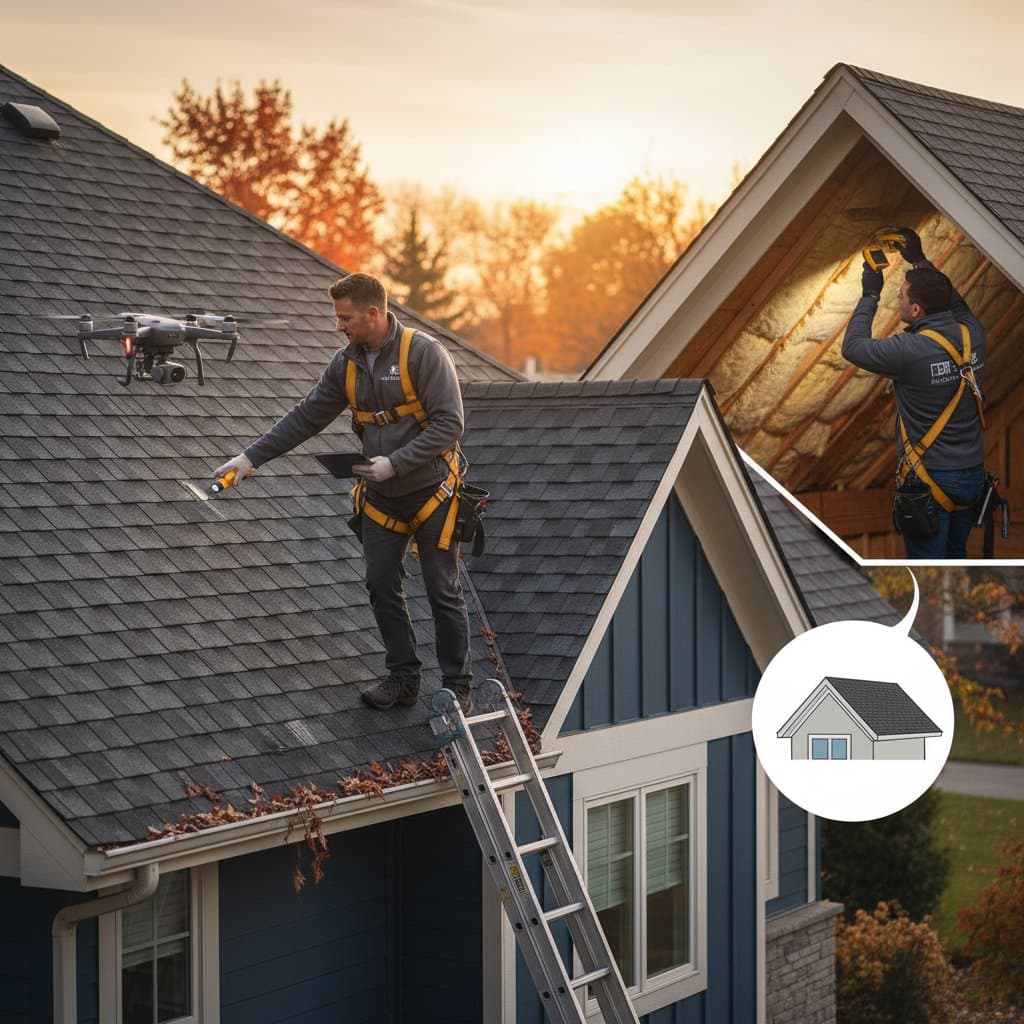
Initiate the process from a safe distance on the ground using binoculars for enhanced visibility. Examine the roof surface for signs of curling, absent, or faded shingles, which signal potential vulnerability to water infiltration. Identify any sagging sections that may indicate underlying moisture accumulation or weakened support structures. Focus particularly on transitions between roof planes, as these areas commonly develop leaks.
Observe for dark streaks, moss, or algae buildup, which suggest persistent dampness. Although such growth might not immediately compromise stability, it accelerates shingle deterioration over time. Address these by applying a mild, roof-safe cleaner or arranging a professional cleaning to preserve material longevity.
Step 2: Evaluate Gutters and Downspouts
Functional gutters direct water away from the roof and foundation, preventing overflow that leads to ice dams. Inspect gutters for clogs from leaves, debris, or sediment, which can cause backups during rain or snowmelt. Check downspouts for secure attachments and clear pathways to ensure efficient drainage.
Look for signs of rust, cracks, or separation from the roofline in metal gutters, or warping and brittleness in plastic ones. Clean thoroughly with a garden hose and gloves, removing accumulated material. If damage appears extensive, consider replacement to avoid water pooling that exacerbates roof stress in freezing conditions.
Step 3: Examine Flashing and Seals
Flashing consists of metal strips that seal connections around chimneys, vents, skylights, and dormers, blocking water entry. Exposure to elements can cause rusting, lifting, or separation from the roofing material. Access these areas via a stable ladder if safety permits, inspecting for deteriorated sealant, loose nails, or gaps.
Apply roofing-specific caulk to reseal cracks or voids, ensuring a watertight bond. Experts frequently attribute attic leaks to compromised flashing, which allows moisture to infiltrate insulation and interior surfaces. Early intervention here mitigates risks of mold proliferation and visible interior damage like stained ceilings.
Step 4: Assess Insulation and Attic Ventilation
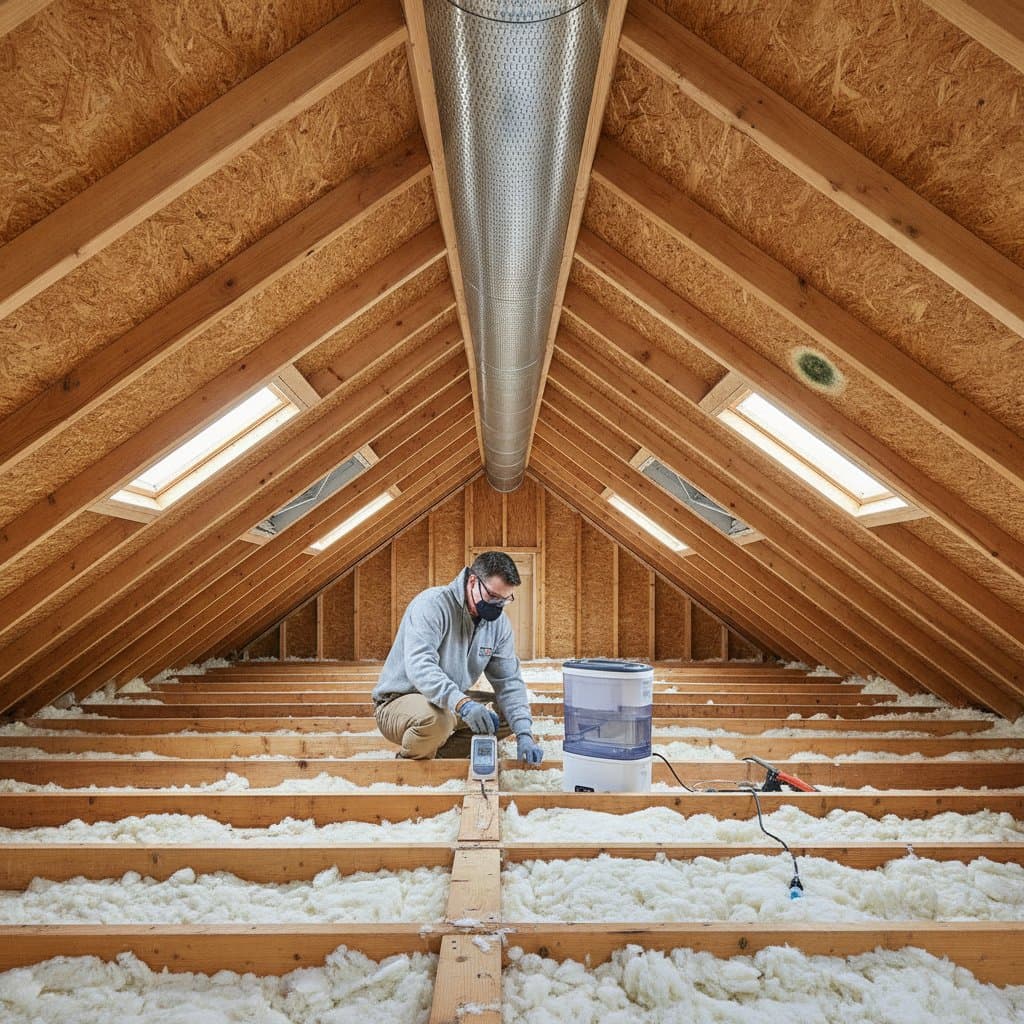
Proper attic insulation and ventilation regulate temperature and humidity, reducing ice dam formation from uneven roof thawing. Enter the attic to check insulation levels; adequate coverage should reach R-30 or higher in most climates, filling spaces without compression. Inspect vents for blockages from insulation, debris, or animal nests that impede airflow.
Verify soffit, ridge, and gable vents operate freely to promote circulation. Inadequate ventilation traps warm air, leading to condensation and rot. Add or adjust insulation as needed, and clear vents to maintain balance, thereby enhancing energy efficiency and preventing heat loss during winter.
Step 5: Identify Interior Indicators of Trouble
Conclude the exterior review by moving indoors to scrutinize ceilings, walls, and attic interiors for subtle signs of intrusion. Water stains, discolored patches, or peeling paint on upper surfaces often precede noticeable external damage. A persistent musty odor in the attic suggests concealed dampness from prior leaks.
Trace any anomalies along rafters or beams, as water tends to migrate laterally before descending. Document affected locations and avoid disturbing potential mold. If origins remain elusive, engage a professional promptly to diagnose and resolve underlying issues before they worsen.
Determining the Need for Professional Expertise
Certain observations exceed typical homeowner capabilities and demand certified intervention. Summon a licensed roofing specialist if extensive shingle displacement, pronounced sagging, or rapidly expanding interior water marks appear. Professionals possess specialized tools and knowledge to detect hidden structural weaknesses.
Request documentation including photographs of identified concerns and a detailed, written proposal for remedies. Obtain estimates from multiple qualified providers to ensure competitive pricing and quality assurance. Resources such as local home improvement forums or industry associations aid in selecting trustworthy contractors.
Strategies for Long-Term Roof Resilience
Sustaining roof health extends beyond annual checks; integrate routine practices to fortify against seasonal assaults. Trim overhanging branches to minimize debris accumulation and wind-related impacts. Apply protective treatments to shingles if prone to algae in humid regions, following manufacturer guidelines.
Schedule bi-annual cleanings for gutters to maintain drainage efficiency year-round. Monitor attic humidity with a hygrometer, aiming for levels below 60 percent to deter condensation. These measures collectively prolong roof lifespan, lower energy costs, and safeguard the home's overall value.
Securing Your Home's Roof for Seasons Ahead
The roof represents a critical investment in residential protection and comfort. Dedicating time each fall to inspection and upkeep averts disruptions from leaks, inefficiency, and deterioration during frigid periods. Embrace this routine, whether through personal effort or professional service, to foster enduring reliability and peace of mind.