Introduction to Fall HVAC Maintenance
As temperatures drop, your heating system becomes essential for comfort and safety. A proactive fall tune-up identifies issues early, ensures optimal performance, and avoids disruptions during peak winter demand. This maintenance not only safeguards your home but also contributes to long-term savings and reliability.
Essential Tools and Skills for DIY Maintenance
Homeowners with basic mechanical knowledge can manage simple upkeep tasks. Gather these items to start:
- Screwdrivers for accessing panels and components
- A vacuum cleaner equipped with a hose attachment to remove loose debris
- High-quality replacement air filters matched to your system specifications
- Mild coil cleaner or canned compressed air to dislodge dust from accessible areas
- A reliable flashlight to illuminate hard-to-reach interior spaces
- A digital thermometer to measure output air temperature and verify performance
These supplies support basic cleaning and inspection. However, they fall short for comprehensive diagnostics that require specialized equipment and expertise.
Safety Precautions and Time Estimates
HVAC systems involve gas lines and electrical components, presenting inherent risks. Mishandling may result in gas leaks, electrical faults, or fire dangers. Professionals conduct thorough tune-ups in one to two hours, covering all necessary procedures efficiently.
In contrast, DIY efforts often extend beyond this timeframe due to unfamiliarity with the process. Such attempts risk missing vital checks, potentially compromising system integrity and household safety.
Expert Answers to Common HVAC Tune-Up Questions
Industry professionals address frequent inquiries to guide homeowners through maintenance decisions.
How Frequently Should You Schedule an HVAC Tune-Up?
Experts recommend a complete inspection annually. The fall season proves optimal, allowing preparation ahead of intense winter operation.
What Components Does a Standard Tune-Up Encompass?
Routine services include calibrating the thermostat for accuracy, replacing air filters, inspecting burners for wear, measuring airflow rates, testing electrical connections, and lubricating motors and fans. Technicians also examine gas lines for leaks and confirm ignition system reliability.
Does a Tune-Up Reduce Utility Expenses?
Efficient operation demands less energy to achieve target temperatures. Improvements in airflow and combustion efficiency yield noticeable reductions in monthly bills, often by 10 to 20 percent.
What Indicators Suggest Urgent Maintenance?
Listen for rattling, banging, or whistling sounds; observe uneven room temperatures; detect unusual smells like burning or mustiness; or note short cycling patterns. These symptoms signal the need for immediate professional evaluation.
Is Filter Replacement Required at Every Tune-Up?
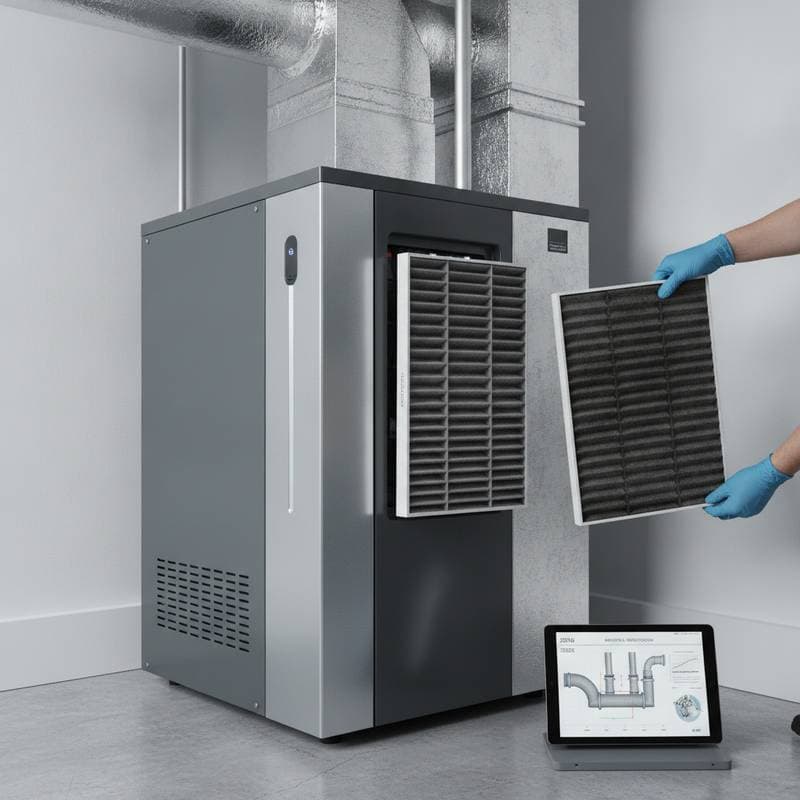
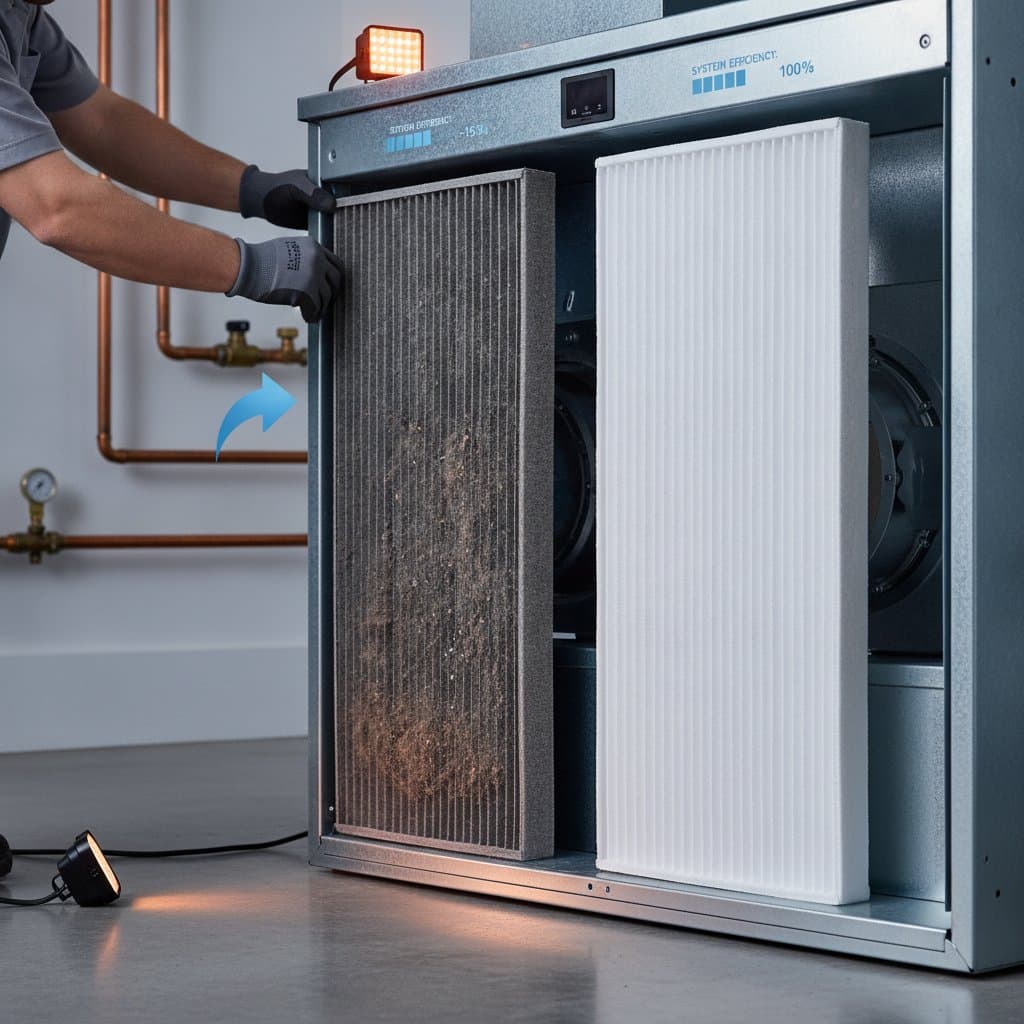
Filters typically last one to three months, varying by material and home environment. Use the tune-up as an opportunity to install a new filter, ensuring sustained filtration effectiveness.
How Do Dirty Ducts Impact Furnace Efficiency?
Accumulated dust narrows airways, compelling the system to strain and consume more power. Integrating duct cleaning with annual tune-ups maximizes airflow and minimizes operational stress.
Which Safety Verifications Occur During a Tune-Up?
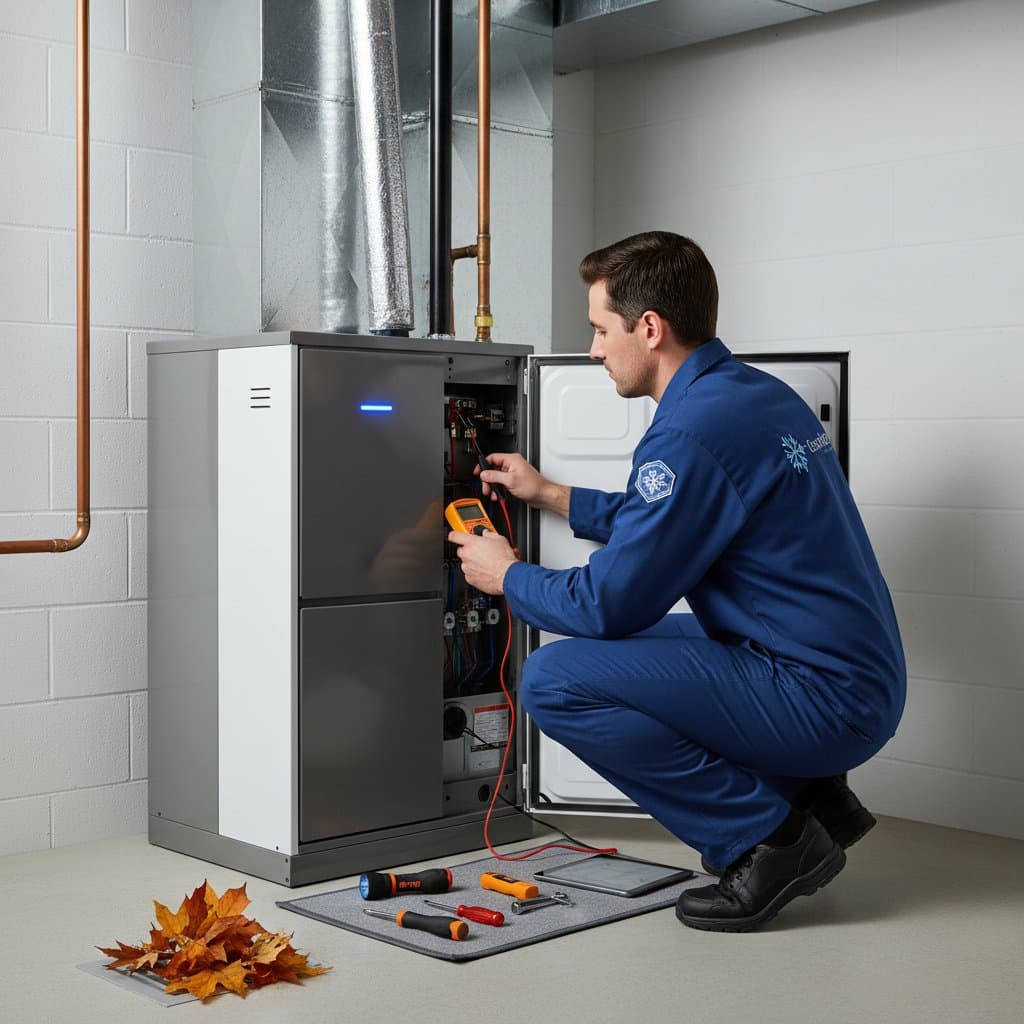
Technicians screen for carbon monoxide emissions, scrutinize the heat exchanger for cracks, validate exhaust venting, and secure all wiring. These steps prevent hazardous conditions and promote safe heating.
Do Newer Systems Require Tune-Ups?
Annual maintenance benefits all units, regardless of age. It documents care history, upholds warranty conditions, and fine-tunes settings from initial installation.
How to Select a Reliable HVAC Technician?
Seek contractors holding valid licenses and insurance, backed by positive community feedback. Inquire about their inspection protocols and availability of service agreements for ongoing support.
What Signs Indicate Substandard Service?
Watch for providers who omit diagnostic tests, expedite visits without thorough checks, or neglect to deliver a detailed report. Quality service features comprehensive documentation and tailored advice.
How to Prepare Your Home for the Technician's Arrival?
Remove obstacles near the heating unit, swap out accessible filters in advance, and clear pathways to vents. Grant easy access to the thermostat and main electrical panel to facilitate the inspection.
Are Maintenance Agreements Valuable?
For aging systems or heavy usage, agreements provide cost savings and expedited service. They frequently cover biannual inspections and offer reductions on replacement parts.
Can You Tune Up a Heat Pump Similarly to a Furnace?
Both demand cleaning and visual checks, yet heat pumps necessitate refrigerant level assessments and evaporator coil servicing. Professionals handle these specialized procedures to avoid damage.
In What Ways Does Maintenance Enhance Indoor Air Quality?
Regular cleaning curtails dust dispersal, inhibits mold proliferation, and stabilizes humidity. These measures foster a cleaner, healthier indoor atmosphere for occupants.
Step-by-Step Guide to Planning Your Tune-Up
Follow this structured approach to evaluate and execute your fall maintenance effectively.
Step 1: Evaluate System Health
Review the unit's age, service logs, and recent behavior. Rising costs or temperature inconsistencies warrant prompt professional assessment to prevent escalation.
Step 2: Gauge Your Capabilities
If comfortable with hand tools and protocols, tackle light duties like filter changes. Delegate complex work to certified experts to ensure precision and safety.
Step 3: Analyze Expenses
Weigh tune-up fees against repair averages, which can exceed $500 for emergencies. Preventive care often proves more economical over time.
Step 4: Weigh Potential Hazards
Risks include gas exposure, shocks, or ventilation failures. Expert intervention eliminates these threats while upholding code compliance.
Step 5: Finalize Your Choice
Opt for professional service to secure reliability and performance. For recent installations, verify warranty stipulations regarding required upkeep.
Effective Preparation Strategies
Thorough readiness streamlines the tune-up, whether self-managed or outsourced.
Research and Booking
Secure appointments in early fall to evade peak-season delays. Compare providers by reviewing their service outlines and inquiring about guarantees or packages.
Compile Key Details
Identify the model's serial number, retain prior maintenance documents, and note filter dimensions. This preparation accelerates the on-site process.
Optimize the Work Area
Declutter surroundings of the unit and provide adequate illumination. These steps enable safe, unobstructed access for all tasks.
Account for Duration
Anticipate 60 to 120 minutes for completion. Remain present to review results and address any proposed solutions.
Budgeting Essentials
Tune-up costs range from $75 to $200, depending on location and system type. Factor in potential add-ons like duct inspections, and explore bundled plans for discounts. Track energy savings post-service to measure return on investment.
Ongoing Seasonal Maintenance Practices
Sustain peak performance with these habits:
- Swap filters every 1-3 months to preserve air quality.
- Ensure vents remain free of blockages for even distribution.
- Monitor for atypical sounds signaling component fatigue.
- Verify thermostat accuracy to avoid energy waste.
- Arrange additional checks if airflow diminishes or heating varies.
Safeguarding Your Heating System Long-Term
Investing in fall tune-ups fortifies your home against winter challenges. This practice upholds efficiency, averts failures, and preserves asset value. Proactive care delivers consistent warmth, reduced expenses, and enhanced peace of mind through the coldest months.