Prepare Your HVAC System for Winter Savings
As autumn arrives, homeowners focus on maintaining comfort while controlling expenses. Heating costs rise sharply if the HVAC system lacks preparation for demanding winter operation. Fall maintenance establishes a foundation for optimal performance, reduced energy consumption, and reliable operation. Proactive steps in this season yield substantial savings, often amounting to hundreds of dollars, alongside enhanced home warmth and dependability.
Essential Reasons for Fall HVAC Maintenance
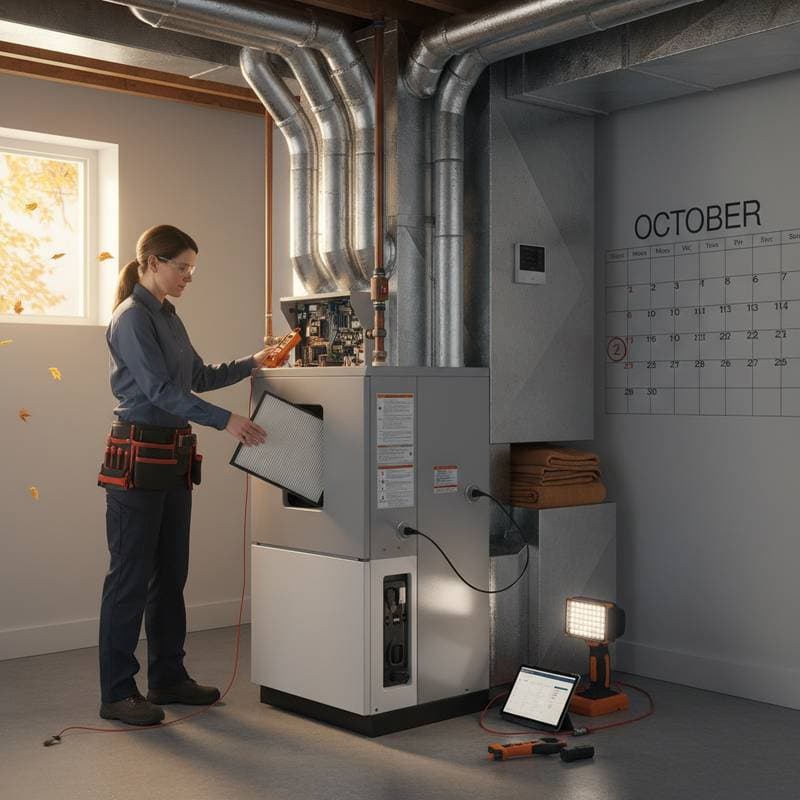
HVAC systems endure peak demands during winter months. Accumulated dust, deteriorated components, and impeded airflow diminish efficiency without routine care. A furnace operating below full capacity requires additional fuel to achieve desired temperatures, elevating utility expenses. Fall presents the optimal window for interventions, as service professionals maintain greater availability prior to peak demand, and milder weather facilitates thorough assessments.
Data from Energy Star indicates that consistent maintenance enhances system efficiency by as much as 15 percent. Such gains typically recover the expense of a professional service within one heating cycle. Ongoing upkeep also prolongs furnace longevity, preventing replacement expenditures that frequently exceed several thousand dollars.
Step-by-Step Fall HVAC Maintenance Guide
A systematic approach streamlines preparation efforts. Implement the following actions to ensure smooth winter performance.
-
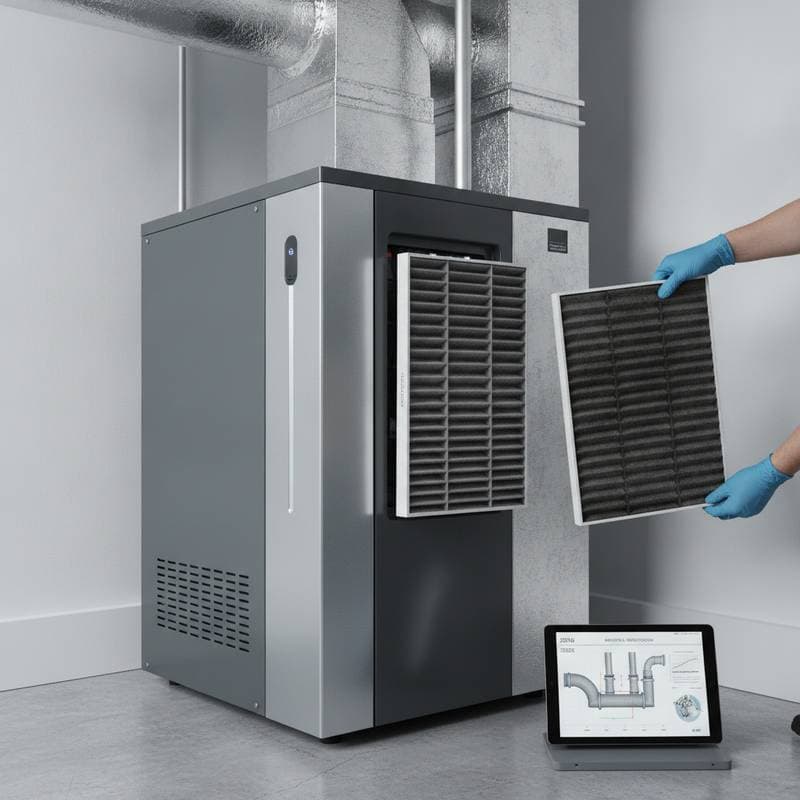
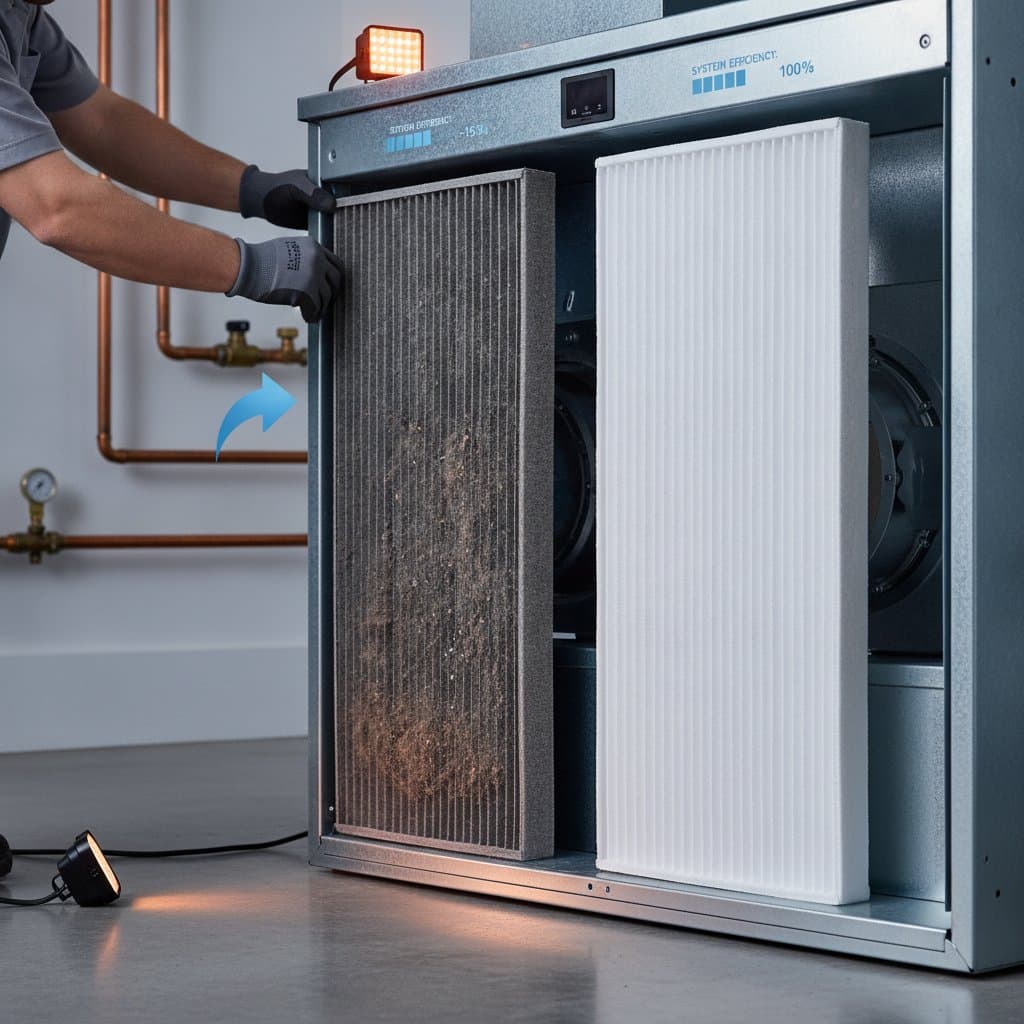
Replace or clean air filters. Dirty filters hinder airflow, compelling the furnace to strain excessively. Swap out disposable filters or wash reusable variants every one to three months. In intense heating seasons, inspect monthly to sustain peak operation.
-
Examine vents and registers. Confirm all supply and return vents remain unobstructed by furniture, curtains, or debris. Blockages disrupt air distribution, resulting in inconsistent room temperatures and increased energy use.
-
Clear the furnace surroundings. Remove dust, pet dander, and clutter from the vicinity to prevent airflow restrictions and potential fire risks. Maintain at least a two-foot clearance around the unit for safe, effective function.
-
Verify thermostat functionality. Assess accuracy by comparing readings with a separate thermometer and install fresh batteries as required. Upgrade to a programmable or smart model to automate setbacks, such as reducing temperatures by 7 to 10 degrees Fahrenheit during absences or sleep, thereby lowering costs without sacrificing comfort.
-
Evaluate duct integrity. Leaks in ductwork dissipate warm air before it circulates to living spaces. Identify separations or gaps at seams and joints, then seal with aluminum foil tape or mastic compound to recover up to 20 percent in efficiency.
-
Arrange a professional inspection. Annual expert evaluation complements homeowner efforts. Technicians verify gas line integrity, burner cleanliness, ignition reliability, and airflow balance, addressing subtle issues that promote safety and performance.
-
Validate carbon monoxide alarms. Combustion-based heating introduces leak risks. Test alarms monthly, replace batteries biannually, and install units on every level, particularly near sleeping areas and fuel-burning appliances.
Advantages of Expert Furnace Servicing
Professional servicing extends beyond surface-level tasks to uncover latent problems that foreshadow expensive fixes. Specialists quantify airflow rates, validate safety mechanisms, and ensure proper exhaust venting. They apply lubricants to bearings and motors, minimizing operational friction and extending component life.
Insights from home service discussions reveal that annual servicing correlates with 30 percent reductions in winter emergencies. Numerous providers propose maintenance agreements featuring reduced repair rates, expedited appointments, and automated seasonal notifications.
Achieving Measurable Cost Reductions
Efficiency upgrades directly influence bill amounts. Tuned systems attain target temperatures more rapidly and sustain them with minimal fuel. Integrate complementary measures, such as caulking window gaps or insulating attics, to amplify these effects.
The U.S. Department of Energy reports that diligent HVAC care averts more than 10 percent in heating expenditures for typical households. Pair this with thermostat programming: a modest two-degree setback during off-hours trims costs by approximately five percent, preserving livable conditions.
Balancing DIY Tasks with Expert Input
Homeowners adeptly manage foundational upkeep, including filter swaps, vent inspections, and area tidying. These measures demand minimal tools and pose low risks. However, advanced diagnostics—like measuring combustion efficiency or scanning heat exchangers—necessitate certified skills to avoid hazards or inefficiencies.
Adopt a hybrid strategy: perform observable checks independently and delegate technical evaluations to qualified experts. When doubt arises regarding any procedure, engage a licensed professional to safeguard system integrity and personal safety.
Avoiding Winter Disruptions
Furnace malfunctions amid freezing weather extend beyond discomfort to threats like burst pipes or health risks from inadequate warmth. Emergency interventions incur premium charges, often doubling routine repair fees. Preemptive maintenance identifies vulnerabilities, such as frayed blower belts or carbon deposits on burners, enabling timely corrections.
Document all maintenance activities in a dedicated log, noting dates, actions, and observations. This chronicle accelerates future troubleshooting and bolsters property documentation for appraisals or sales.
Sustaining Year-Round System Health
HVAC longevity thrives on comprehensive annual cycles. Transition to spring servicing post-winter to ready the unit for summer cooling, addressing any wear from heating demands. Refresh filters, sanitize coils, and recalibrate controls to uphold consistent efficiency.
Dedicated owners observe steadier climates, reduced noise, and smoother cycles from vigilant routines. Free of contaminants and imbalances, the system operates with less strain, deferring capital investments in new equipment.
Implement Your Winter Readiness Plan
Initiate preparations promptly to secure convenient technician slots. Compile tools for DIY items, execute initial checks, and confirm service bookings. This upfront commitment delivers fiscal relief, operational security, and unwavering coziness through the harshest weather.
Efficiency-focused habits transform seasonal challenges into opportunities for savings and serenity. A prepared furnace optimizes resource use, curtails environmental impact, and upholds home sanctuary year after year.