Understanding HVAC Filters and Their Role in Fall Maintenance
HVAC filters trap dust, pollen, and debris to protect your heating, ventilation, and air conditioning system. As leaves fall and indoor air circulation increases during cooler months, dirty filters restrict airflow, strain the blower motor, and diminish heating efficiency. Replacing filters in the fall prepares your system for winter demands, maintaining consistent warmth and preventing premature wear.
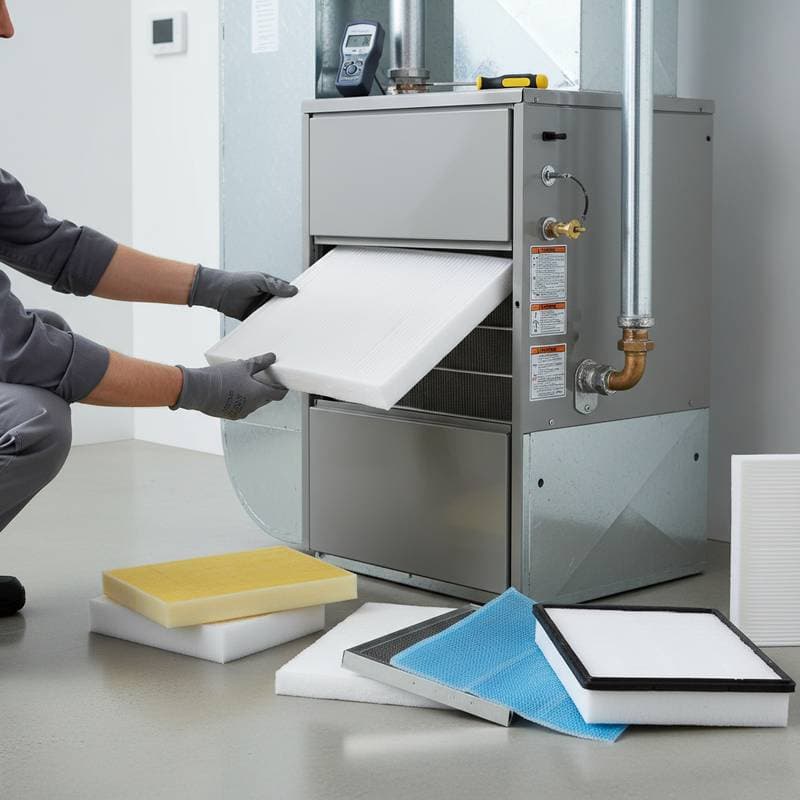
Different filter types offer varying levels of filtration and durability. Fiberglass filters provide basic protection at a low cost but require frequent changes. Pleated filters capture finer particles and last longer, while washable and electrostatic options suit reusable needs. HEPA filters excel in allergen removal for sensitive households. Selecting the right type depends on your system's requirements and air quality goals.
When to Replace Each Filter Type
Timing varies by filter material and household factors such as pets, smoking, or construction dust. Follow these guidelines to maintain peak performance:
- Fiberglass filters: Replace every 30 days. These disposable filters clog quickly due to their thin, spun-glass construction.
- Pleated filters: Change every 60 to 90 days. The folded design increases surface area for better dust capture and extended use.
- Washable filters: Clean every 30 to 60 days; replace after one year. Rinse with water and mild soap, then dry thoroughly before reinstallation.
- Electrostatic filters: Inspect monthly; clean or replace every three to six months. Their charged fibers attract particles without frequent swaps.
- HEPA filters: Replace every six to twelve months. These high-efficiency units demand careful handling to avoid damaging the dense media.
Monitor usage during fall heating startup. If your system runs more than eight hours daily, shorten intervals by 15 to 20 days to compensate for heavier particle loads from outdoor activities.
Spotting Signs of Clogged Filters Early
A clogged filter reduces efficiency and signals potential issues. Watch for these indicators during fall preparations:
- Uneven heating rooms or longer warmup times.
- Increased dust accumulation on surfaces.
- Whistling sounds from air vents.
- Rising energy bills despite moderate usage patterns.
- Frequent system cycling on and off.
Inspect filters visually: hold against light; if you cannot see through, replacement is immediate. Early detection avoids motor overheating and coil icing, which lead to breakdowns costing hundreds in repairs.
Step-by-Step Replacement Process
Replacing a filter requires minimal effort and safeguards your investment. Gather the correct size from your unit's manual or existing filter edge measurements.
- Turn off the HVAC system at the thermostat and power switch for safety.
- Locate the filter slot, typically near the return air duct or furnace.
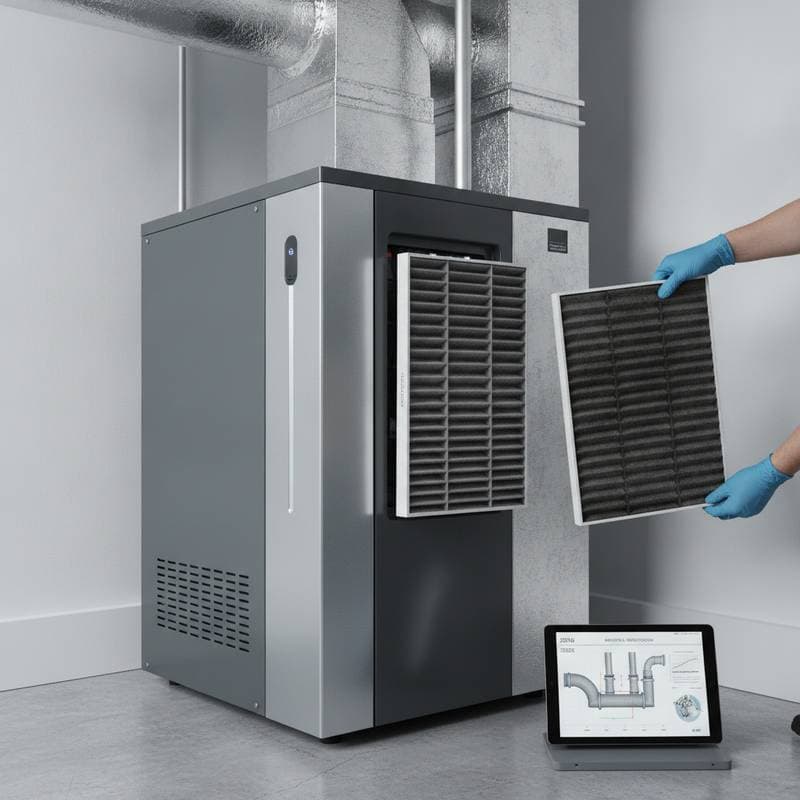
- Remove the old filter, noting airflow direction arrows.
- Slide in the new filter, aligning arrows toward the blower.
- Restore power and run the system briefly to verify smooth operation.
For reusable filters, disassemble if needed, clean under running water, and air-dry for at least 60 minutes. Test airflow by feeling steady output from vents post-installation.
Cost and Time Factors in Filter Maintenance
Filters range from $10 for basic fiberglass to $70 for advanced HEPA models, based on dimensions and MERV ratings. The swap itself takes five minutes without tools beyond a screwdriver for tight compartments.
Reusable types add cleaning time: budget one hour including drying to prevent mold growth. Purchase in bulk packs to reduce per-unit costs by up to 20 percent and stock spares in a dry storage area.
Over a year, consistent replacements save on energy—dirty filters hike bills by 5 to 15 percent—and avert $200 to $500 repair fees from strained components.
Building a Seasonal Maintenance Routine
Incorporate filter care into fall checklists alongside gutter clearing and thermostat adjustments. Key practices include:
- Monthly inspections during active heating periods.
- Noting installation dates directly on the filter frame with a marker.
- Storing extras in original packaging away from humidity.
- Arranging annual professional tune-ups for duct cleaning and efficiency checks.
This routine enhances air purity by removing 80 to 99 percent of airborne contaminants, depending on filter grade. Homeowners adhering to schedules experience fewer allergies, stable temperatures, and prolonged equipment life spanning 15 to 20 years.
Long-Term Benefits of Proactive Filter Care
Clean filters optimize airflow, easing the load on fans and heaters for quieter, more reliable operation. Energy savings compound over seasons, often offsetting filter expenses entirely.
Beyond mechanics, improved filtration fosters healthier indoor environments, especially vital as families spend more time indoors during fall and winter. Prioritize this simple task to enjoy comfort without unexpected disruptions or inflated costs.