Why Fall Furnace Filter Replacement Matters
As temperatures drop in fall 2025, furnaces across homes activate to deliver reliable warmth. A clean filter ensures optimal performance by allowing unrestricted airflow, which maintains efficiency and prevents strain on the system. Neglecting this simple maintenance step leads to higher energy bills, reduced heating output, and potential breakdowns that require expensive repairs.
Filters trap dust, debris, and allergens, protecting both the furnace components and household air quality. Homeowners who replace filters seasonally report fewer service calls and noticeable improvements in comfort. This guide provides practical insights to help you approach the task with confidence.
Essential Skills for DIY Furnace Filter Replacement
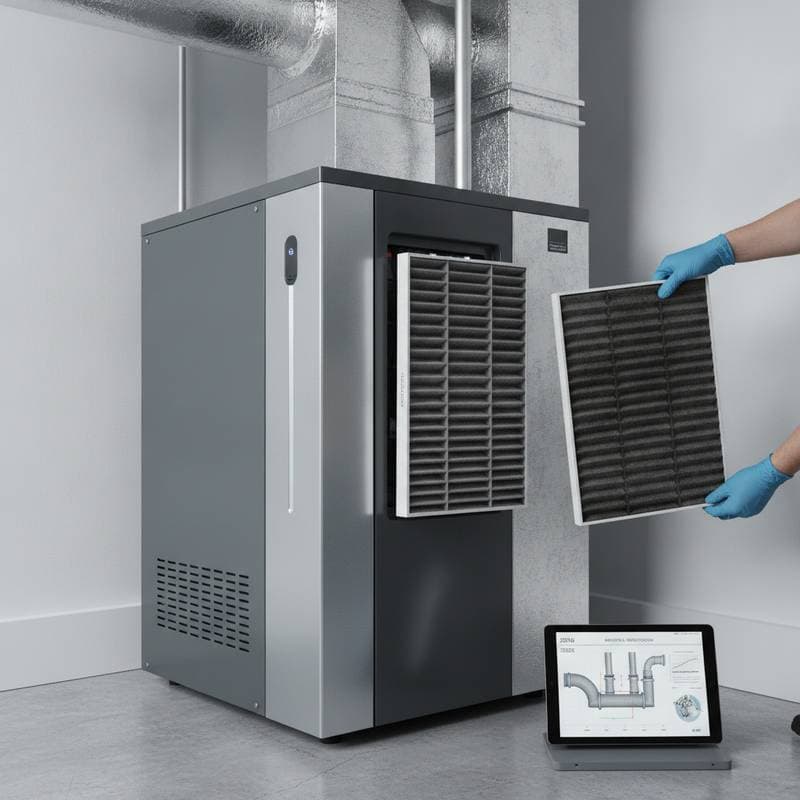
Successful DIY replacement requires basic mechanical aptitude and attention to detail. Individuals who can locate the furnace power switch, remove a panel without tools or with a simple screwdriver, and orient the new filter correctly possess the necessary skills. Consult the markings on the existing filter or the furnace unit for precise guidance from the manufacturer.
If uncertainty arises during the process, pause and seek clarification from the owner's manual. This approach minimizes errors and ensures the system operates as intended. Practice builds familiarity, making future replacements quicker and more routine.
Tools Required for Effective DIY Replacement
Gather these items before starting to streamline the process:
- A new furnace filter matched to the exact size and type specified for your unit
- A flathead or Phillips screwdriver, depending on the access panel fasteners
- A flashlight to illuminate tight spaces within the furnace compartment
- A vacuum cleaner with a brush attachment or a slightly damp cloth for removing loose debris around the filter slot
These tools represent a minimal investment that supports safe and thorough maintenance. Keep them organized in a dedicated kit for seasonal use.
Key Safety Protocols to Follow
Prioritize safety by shutting off the furnace at the main power source or thermostat before any handling. Inspect the area for hazards such as sharp edges on panels or exposed wiring. Slide the filter into position gently to avoid bending the frame or scratching the housing interior.
Operating the furnace without a filter, even for a short period, invites contaminants to circulate and damage sensitive parts like the blower motor or heat exchanger. If the filter resists installation, verify the size and orientation rather than applying force. Adhering to these protocols protects both the equipment and personal well-being.
Comparing Time Investments: DIY Versus Professional Service
DIY filter replacement typically requires only fifteen minutes from start to finish, including preparation and cleanup. Professional services extend to thirty to sixty minutes, as technicians often include a full system check for issues like loose connections or unusual noises. The additional time invested in expert evaluation yields benefits in early detection of wear.
For busy households, the brevity of DIY appeals, yet the comprehensive nature of professional visits justifies the schedule allocation. Weigh these factors against your familiarity with the furnace to select the most suitable option.
Common Furnace Filter Questions Addressed
Industry professionals field these inquiries regularly, offering clarity on best practices.
How Frequently Should Furnace Filters Change?
Replace most standard filters every one to three months, depending on usage and household dust levels. High-efficiency particulate air (HEPA) or pleated varieties may extend to six months, but visual inspections at the start of each season confirm condition. Consistent adherence prevents performance dips during peak heating periods.
How to Determine the Correct Filter Size?
Examine the dimensions stamped on the side of the current filter or refer to the furnace manual for specifications. Common sizes include 16x25x1 or 20x20x1 inches, but variations exist by model. An ill-fitting filter compromises the seal, allowing unfiltered air to bypass and reduce overall effectiveness.
What Occurs If the Filter Goes Unchanged?
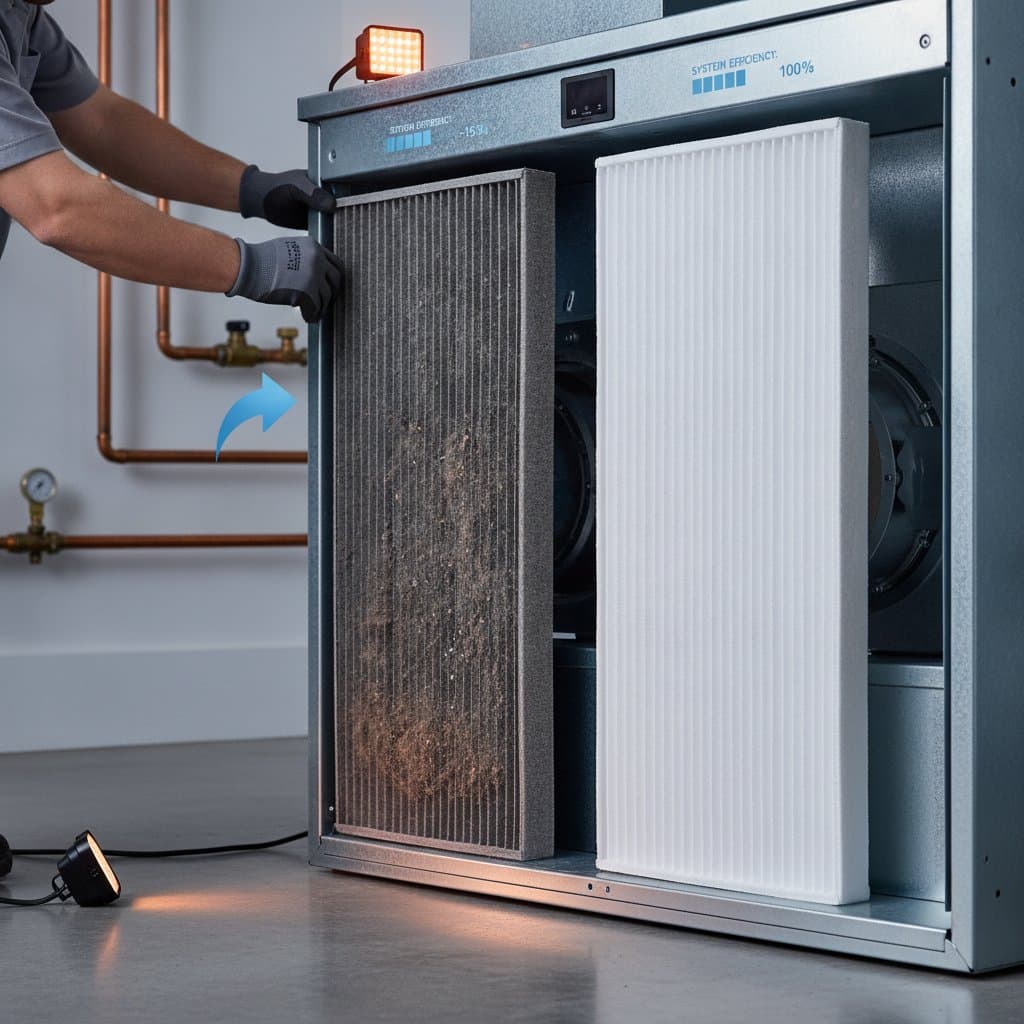
A dirty filter impedes airflow, compelling the blower to strain and the heating elements to cycle longer. This scenario elevates electricity consumption by up to 15 percent, diminishes warm air distribution, and accelerates component deterioration. Over time, such neglect contributes to costly failures like motor burnout.
Do Higher-Priced Filters Guarantee Superior Results?
Filter efficacy depends on the minimum efficiency reporting value (MERV) rating and specific needs, not solely cost. A MERV 8 filter suits general use, while MERV 11 or higher benefits allergy sufferers by capturing finer particles. Balance performance requirements with budget to avoid unnecessary expenditure.
Is Cleaning and Reusing Filters Feasible?
Reusable fiberglass or electrostatic filters permit gentle washing with water and mild detergent, followed by complete drying. Disposable pleated or fiberglass types demand replacement to maintain filtration integrity. Attempting to clean non-washable filters reduces their capacity and risks system contamination.
In What Ways Do Filters Influence Indoor Air Quality?
Filters act as barriers against dust mites, pollen, mold spores, and pet hair, fostering a healthier living environment. Fresh filters correlate with fewer respiratory irritations and cleaner surfaces throughout the home. Upgrading to advanced filtration enhances these outcomes without complicating installation.
Is a Professional Inspection Necessary After DIY Replacement?
Affirmative; technicians verify airflow balance, electrical connections, and combustion safety, uncovering subtle issues invisible to untrained eyes. Annual inspections, timed with filter changes, extend equipment lifespan and comply with manufacturer recommendations. This proactive measure safeguards against unexpected disruptions.
What Indicators Suggest an Urgent Filter Replacement?
Observe declining airflow from vents, accumulating dust on furniture despite cleaning, or visible grime on the filter media. Unusual furnace noises or inconsistent temperatures also signal restriction. Addressing these promptly restores normal operation and averts escalation.
Do Specialized Filters Combat Household Odors?
Activated carbon-infused filters adsorb volatile compounds from cooking, tobacco, or pets, neutralizing smells at the source. Pair them with primary filters for layered protection. Availability in standard sizes ensures compatibility with most systems.
Can a Clogged Filter Pose Safety Risks?
Indeed, restricted airflow triggers overheating in the heat exchanger, risking cracks that release carbon monoxide. Safety switches may halt operation, but repeated stress shortens service life. Regular maintenance mitigates these dangers effectively.
Strategies for Tracking Seasonal Filter Replacements
Integrate reminders into digital calendars set for early fall and spring transitions. Align the task with other routines, such as battery replacements in smoke alarms or gutter clearing. This habit formation sustains long-term system health.
Step-by-Step Framework for Deciding on DIY or Professional Replacement
Navigate the choice systematically to align with your circumstances.
Step 1: Evaluate Accessibility and Current Condition
Inspect the furnace location for ease of access and note the filter's dirt accumulation. Basements or utility closets simplify DIY, while attics or tight enclosures favor professionals. Document any existing issues like unusual odors or weak airflow.
Step 2: Review Personal Capabilities and Available Resources
Assess comfort with electrical shutoff and basic assembly. Ensure tools and a compatible replacement filter are on hand. If experience lacks, opt for professional guidance to build knowledge over time.
Step 3: Analyze Comprehensive Costs
Factor in filter price (five to twenty dollars for DIY), travel to purchase, and time value. Professional fees range from fifty to one hundred dollars, including diagnostics that prevent repairs costing hundreds. Long-term savings from efficiency gains often offset initial outlays.
Step 4: Account for System Age and History
Units over ten years old or with prior repairs benefit from expert scrutiny to identify vulnerabilities. Recent servicing reduces urgency for full inspections, allowing DIY focus on the filter alone.
Step 5: Finalize Based on Priorities
Select DIY for simplicity and control if skills align, or professional service for assurance and thoroughness. Prioritize reliability to enjoy uninterrupted heating and peace of mind.
Preparation Essentials for Fall Furnace Filter Replacement
Thorough groundwork sets the stage for success, regardless of approach.
Research and Advance Planning
Locate your furnace model number on the unit's data plate and cross-reference with supplier catalogs for filter options. Purchase multiples during summer sales to sidestep autumn shortages. Review online tutorials specific to your brand for visual reinforcement.
Site Preparation
Clear the area around the furnace, removing obstacles like stored boxes or rugs for safe maneuvering. Lay down a drop cloth to catch debris and protect flooring. Ensure adequate lighting and ventilation to maintain focus during the task.
Timeline Considerations
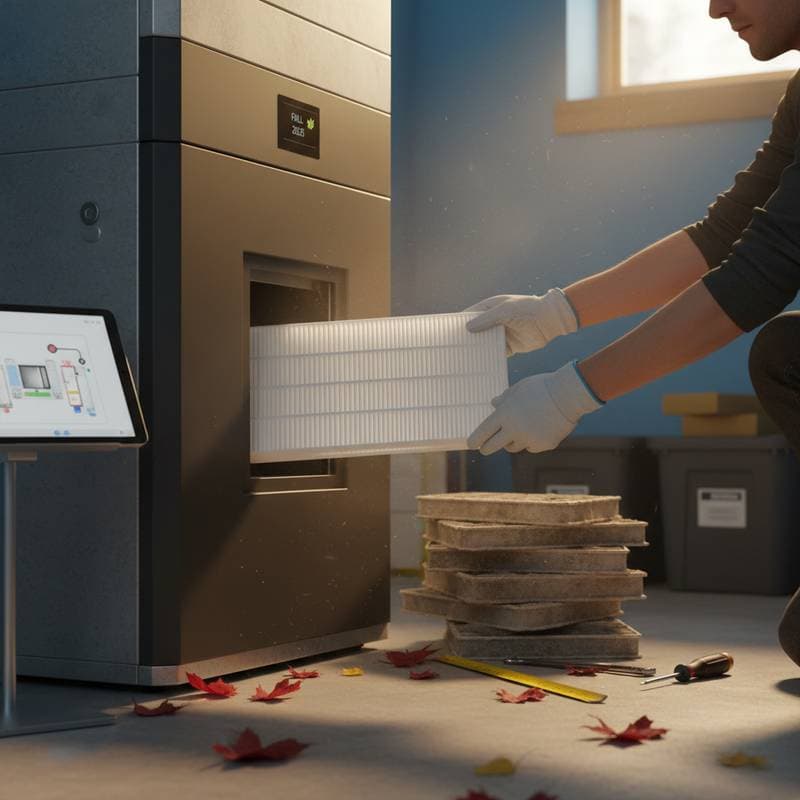
Schedule replacement before the first cold snap, ideally in September for fall 2025, to preempt heavy use. Allow buffer time for unexpected complications, such as sourcing a backordered filter. Coordinate with family schedules to minimize disruptions.
Budgeting Tips
Allocate ten to thirty dollars for filters, considering bulk buys for the year. Track professional service costs against potential energy savings of up to one hundred dollars annually from clean filters. Explore manufacturer rebates or energy efficiency programs for additional support.
Sustaining Furnace Performance Through the Heating Season
Beyond initial replacement, ongoing vigilance preserves efficiency and comfort. Monitor monthly for dirt buildup, adjusting frequency based on pets, smoking, or construction activities. Pair filter care with thermostat adjustments and vent cleaning for holistic maintenance.
Annual professional tune-ups complement DIY efforts, fine-tuning ignition and controls. These practices not only lower utility bills but also enhance home safety. Commit to this routine for a warmer, more economical winter ahead.