Fall Filter Swaps: Enhance HVAC Performance for 2025
Cooler weather prompts homeowners to prepare heating systems, reinforce insulation, and monitor energy expenses. Replacing HVAC filters stands out as a straightforward, impactful measure to boost comfort and curb costs. A fresh filter promotes efficient operation, safeguards air quality, and prolongs equipment lifespan. Homeowners often neglect this maintenance, yet it profoundly influences comfort and utility payments during fall and winter months.
Optimal Timing for Fall Filter Replacement
Fall marks an ideal juncture in the seasonal transition. Air conditioning units endure heavy use over summer, accumulating dust, pollen, and pet dander within filters. As heating systems activate, this accumulation impedes airflow and compels the furnace to labor excessively. Exchanging filters prior to heater startup guarantees unobstructed airflow and uniform temperature across the residence.
The U.S. Department of Energy indicates that substituting a soiled filter reduces energy use by as much as 15 percent. Such reduction yields tangible monthly savings and minimizes service demands from strained blowers or obstructed coils. For numerous households, this single intervention recoups its cost in one billing period.
Impact of Filters on HVAC Performance
Filters fulfill dual roles: shielding the furnace or air handler from particulates and capturing airborne pollutants circulating indoors. A clogged filter demands greater effort from the fan motor to circulate air. This added strain elevates energy demands, accelerates equipment wear, and leads to inconsistent heating or cooling.
A pristine filter sustains consistent airflow, enabling the system to attain desired temperatures more rapidly and with reduced effort. It also preserves cleanliness of internal parts, thereby lowering upkeep expenses. Weak airflow from vents or increased dust on furnishings signals an overdue filter replacement.
Selecting Appropriate Replacement Filters
Filters differ significantly in design and capability. Selection hinges on system specifications, household conditions, and financial considerations. Ratings follow the Minimum Efficiency Reporting Value, or MERV, scale, where elevated ratings indicate finer particle capture.
- MERV 1 to 4: Fundamental fiberglass options that snare large particles such as lint and coarse dust. These provide economical choices with basic safeguarding.
- MERV 5 to 8: Standard pleated varieties that manage finer elements like pollen, mold spores, and pet dander. They offer a suitable equilibrium of airflow and filtration for typical residences.
- MERV 9 to 12: Advanced filters that seize ultrafine dust, smoke, and bacteria. These suit homes with allergy sufferers or respiratory sensitivities.
- MERV 13 and higher: Clinical-grade options that ensnare submicroscopic particles, though they may hinder airflow unless compatible with system capacity.
Consult the equipment manual or manufacturer resources prior to selecting a higher MERV. An overly restrictive filter risks overtaxing the blower motor. Residential setups generally thrive with MERV 8 to 11 ratings.
Guide to Filter Replacement
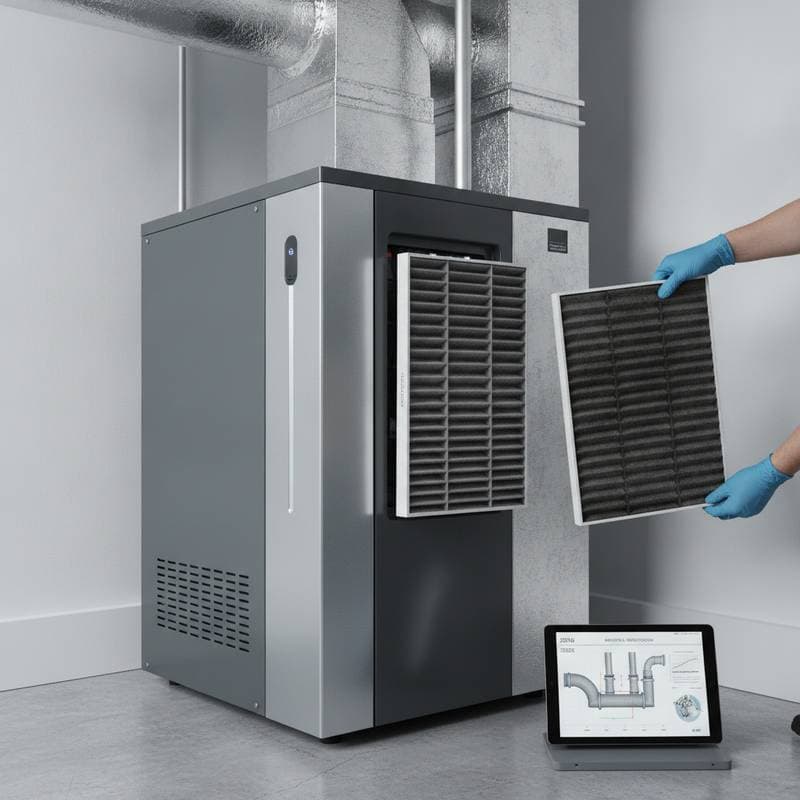
Filter exchange requires under ten minutes and demands minimal tools. Adhere to these procedures for secure and proficient execution.
- Deactivate the HVAC unit via thermostat or breaker to halt dust dispersal during the process.
- Identify the filter housing, typically positioned behind a return grille, within the air handler, or adjacent to the furnace blower.
- Extract the existing filter gingerly to prevent dislodging debris. Observe the directional airflow arrows on its frame.
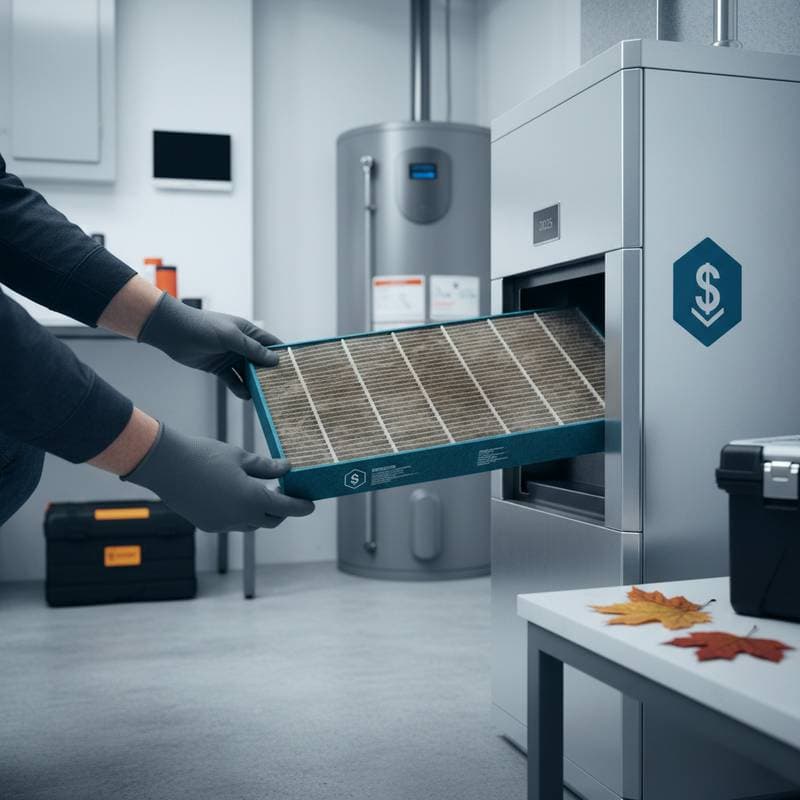
- Examine the discarded filter. Substantial graying or dust coverage confirms overdue maintenance. Routine intervals span one to three months, varying by usage and environmental factors.
- Position the new filter aligning the airflow arrow toward the blower, ensuring proper orientation.
- Close the housing securely and reactivate the system. Monitor for steady airflow sounds and verify vent output consistency.
Evaluating Costs and Replacement Intervals
Filter expenses fluctuate considerably. Basic fiberglass units start at two dollars, whereas premium pleated models span ten to thirty dollars. Allergy-targeted or specialized variants may exceed forty dollars. Purchasing in quantity or via subscription programs diminishes unit costs and enforces timely adherence.
Standard households benefit from bimonthly or trimonthly changes. Residences with pets, tobacco use, or allergy-prone occupants warrant monthly intervals. Seasonal shifts serve as dependable cues; perform swaps at fall and spring onsets to optimize heating and cooling performance.
Indicators of Filter Maintenance Needs
Adhere to schedules, yet remain vigilant for premature replacement signals.
- Diminished or irregular airflow and heating patterns
- Escalating bills despite stable thermostat adjustments
- Aberrant sounds from blowers or ductwork
- Heightened dust on vents and household surfaces
- Musty scents during system operation
These cues suggest airflow constraints or internal accumulations. Prompt filter renewal, coupled with professional evaluation, reinstates functionality and averts expensive fixes.
Enhancing Indoor Air Quality Through Filter Care
Filter upkeep extends beyond savings to foster salubrious indoor environments. Sealed modern dwellings trap contaminants, prolonging pollutant exposure. Effective filters intercept dust mites, pet allergens, and mold that exacerbate allergies and asthma.
This practice proves particularly beneficial for households including infants or seniors. Reduced irritants alleviate breathing issues and maintain cleaner interiors. Periodic duct cleaning, every few years alongside filter swaps, amplifies air purity gains.
Benefits of Expert HVAC Inspections
Though filter tasks prove accessible, comprehensive fall assessments guarantee safe, optimal system function. Professionals evaluate belts, motors, burners, airflow dynamics, and thermostat accuracy. Numerous providers incorporate filter services within seasonal packages.
HVAC professionals frequently cite neglected filters as primary service triggers. A technician identified as Mark J. in a prominent home improvement forum noted, "Nine out of ten no-heat calls we get in early winter are linked to dirty filters or blocked vents." Proactive measures circumvent such disruptions.
Inspections typically range from eighty to one hundred fifty dollars, influenced by region and equipment. This outlay safeguards against substantial repairs and upholds warranty stipulations mandating routine servicing.
Integrating Filter Swaps into Fall Protocols
Incorporate filter replacement within an extensive fall regimen, including:
- Vacuuming registers and vents
- Clearing debris around exterior units
- Replacing thermostat batteries
- Assessing weather seals and insulation
- Arranging technician tune-ups
Consolidating these into a weekend routine fosters efficiency and coziness. Digital calendar alerts ensure annual consistency.
Securing Long-Term HVAC Reliability
Though modest, filter swaps deliver profound returns on investment. They shield costly components, curtail energy demands, and purify home air. As winter nears, this initiative establishes a foundation for seamless, economical heating.
Diligent homeowners experience diminished breakdowns and reduced utilities. Opt for self-managed changes or professional inclusion; prioritize fall execution for sustained quiet performance, pristine air, and dependable warmth extending into spring.