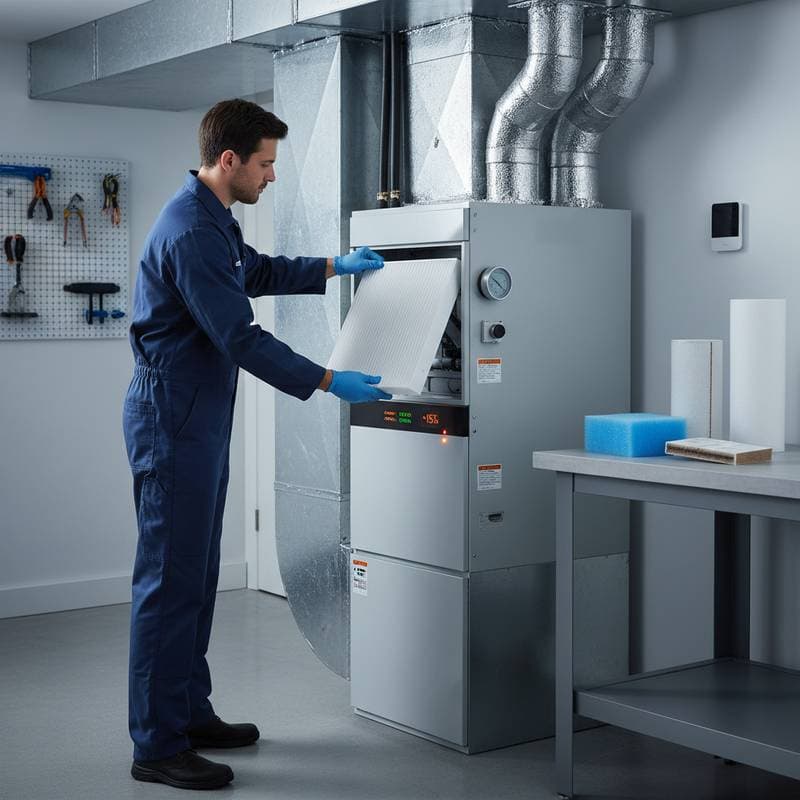
The Essential Fall Filter Swap for Energy Savings and Clean Air
Homeowners recognize that maintaining clean indoor air and manageable utility bills requires deliberate effort. The air filter within the HVAC system often receives insufficient attention. Performing a filter replacement before fall arrives yields substantial improvements in comfort, operational efficiency, and air purity. This maintenance action stands as one of the simplest procedures offering the greatest returns.
Optimal Timing for Fall Filter Replacement
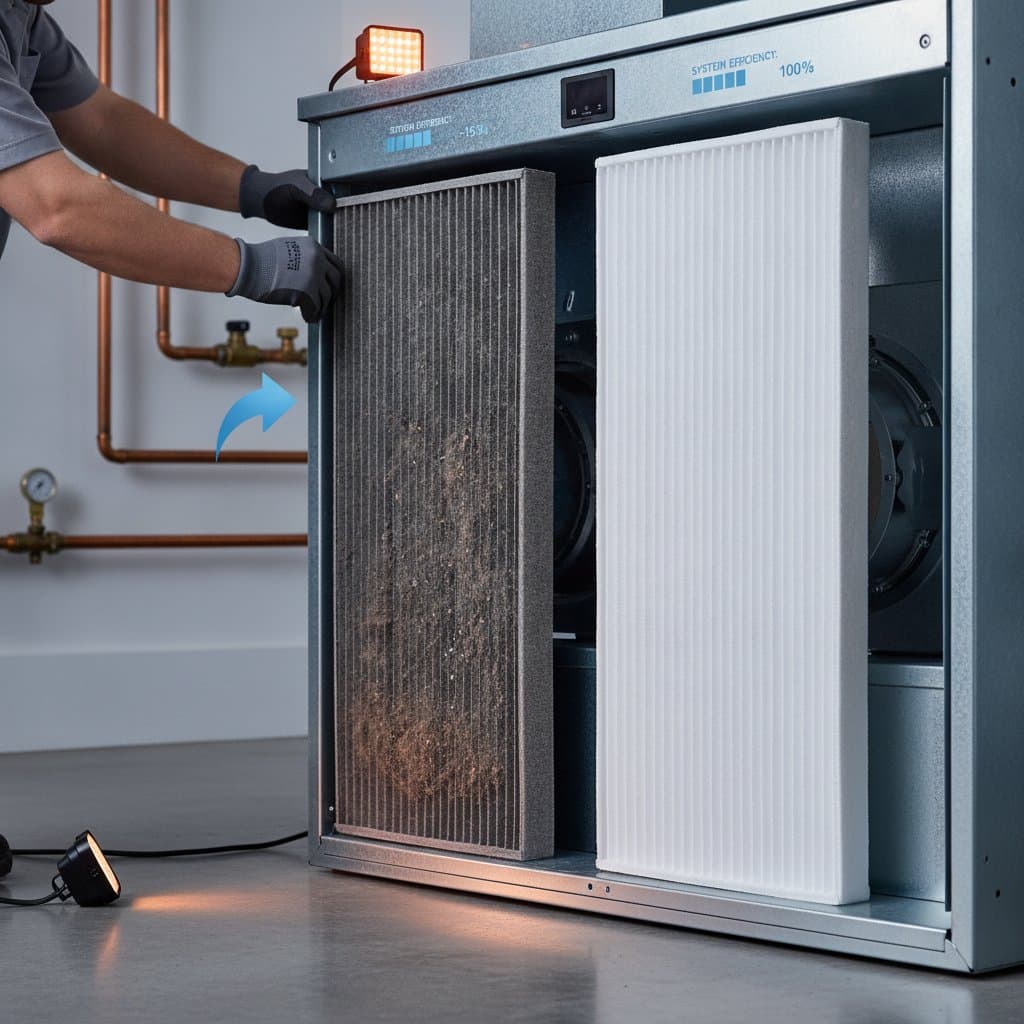
Fall signals the transition from cooling to heating in most residences. This change imposes additional stress on the HVAC system, and filters saturated with summer accumulations of dust and pollen soon impede airflow when heating activates. Clogged filters force the blower motor to labor excessively, elevating energy consumption and accelerating equipment wear.
Experts in home performance, as discussed on forums such as Reddit and Quora, indicate that a blocked filter elevates energy use by 10 to 15 percent. Such inefficiency translates to unnecessary monthly expenses for an issue resolved at minimal cost. The fall filter replacement recalibrates the system for impending seasonal demands, enabling reliable heating without undue pressure.
Impacts of Dirty Filters on Energy Performance
As a filter accumulates dust and debris, air pressure within the ducts alters. Fans exert greater force to distribute conditioned air across the home. This increased workload consumes additional electricity and results in inconsistent heating or cooling. Residents may observe hot or cold zones, diminished vent output, or extended operational cycles, all signaling filter exhaustion.
An ignored filter risks furnace overheating or air conditioner coil freezing. These scenarios prompt safety shutoffs and incur repair expenses. Insights from HVAC technicians on platforms like YouTube and LinkedIn reveal that a pristine filter extends blower motor durability by as much as five years and diminishes repair expenditures by approximately one-third. This uncomplicated replacement forestalls major failures down the line.
Selecting the Appropriate Filter Variety
Filters differ in construction and capability. The optimal selection hinges on family requirements, allergy sensitivities, pet presence, and HVAC specifications.
1. Fiberglass Filters
These represent the budget-friendly choice, enduring roughly 30 days. They capture sizable particles yet permit finer pollutants to proceed. Such filters suffice for households lacking pets or allergy issues.
2. Pleated Filters
Constructed from polyester or cotton, these snag smaller dust and pollen particles. They endure up to three months, modestly enhancing air quality while preserving adequate airflow.
3. Electrostatic Filters
These employ static charge to draw particles. Available as disposable or reusable, they prove beneficial in environments with pets or tobacco use. Reusable versions endure years with regular washing.
4. HEPA Filters
High-Efficiency Particulate Air filters eliminate up to 99 percent of airborne contaminants. They suit allergy-prone individuals, though they may hinder airflow in incompatible systems. Consult the equipment manual prior to installation.
Evaluate the MERV rating, spanning 1 to 16 for home use. Elevated ratings secure tinier particles but risk airflow reduction in unsuitable setups. Ratings of 8 to 12 balance effectiveness for typical residences.
Financial Aspects and Long-Term Benefits
Expenses for filters fluctuate significantly. Fundamental fiberglass options cost mere dollars per unit, whereas pleated or electrostatic variants command moderate to premium pricing. HEPA models incur the highest outlay. Although initial costs vary, sustained reductions in energy demands and repair frequency render superior filters a sound investment.
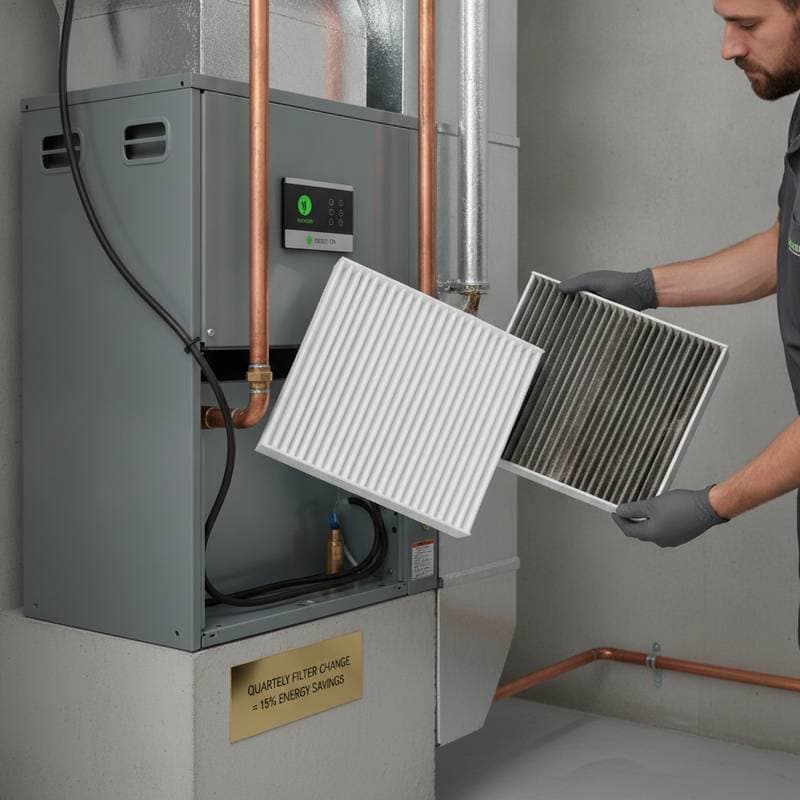
Information from Energy.gov, echoed in home improvement discussions, posits that a maintained filter decreases HVAC energy utilization by up to 15 percent. In average homes, this equates to tens of dollars conserved over the heating period. For those opting for advanced filters, these economies recoup the premium within months.
Detailed Instructions for HVAC Filter Replacement
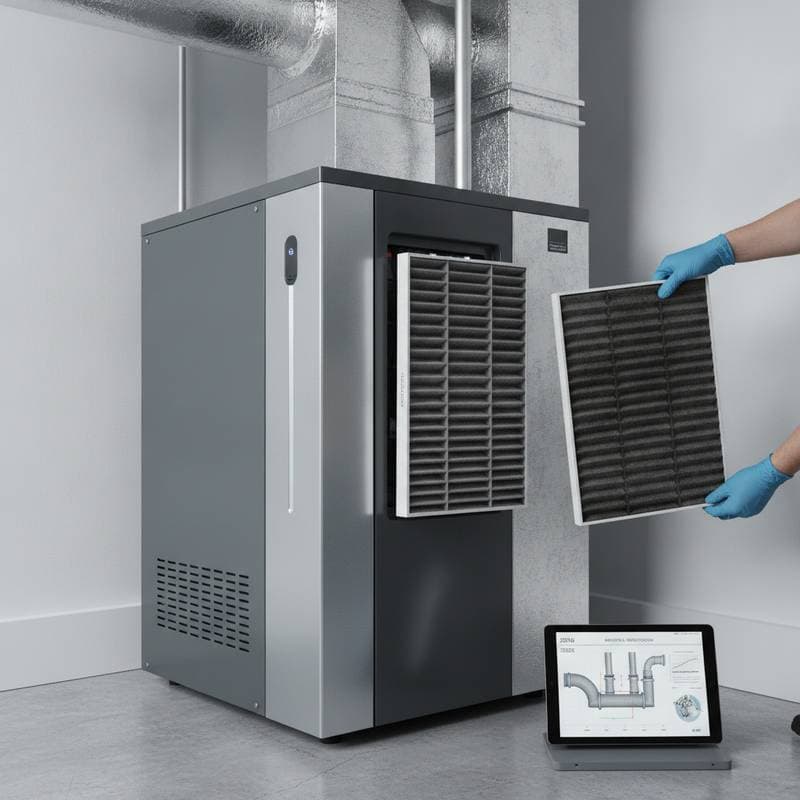
Most individuals complete filter replacement in under ten minutes without specialized equipment, requiring only the new filter and caution.
-
Deactivate the System.
Power down the HVAC at the thermostat or circuit breaker to halt dust dispersion during access. -
Identify the Filter Housing.
Locate it behind a return grille, within the furnace enclosure, or along duct lines. -
Extract the Used Filter.
Withdraw it gently to minimize dust release. Inspect for substantial accumulation, validating the replacement interval. -
Verify Airflow Orientation.
Filters bear arrows indicating flow direction. Align the replacement toward the blower. -
Install the Fresh Filter.
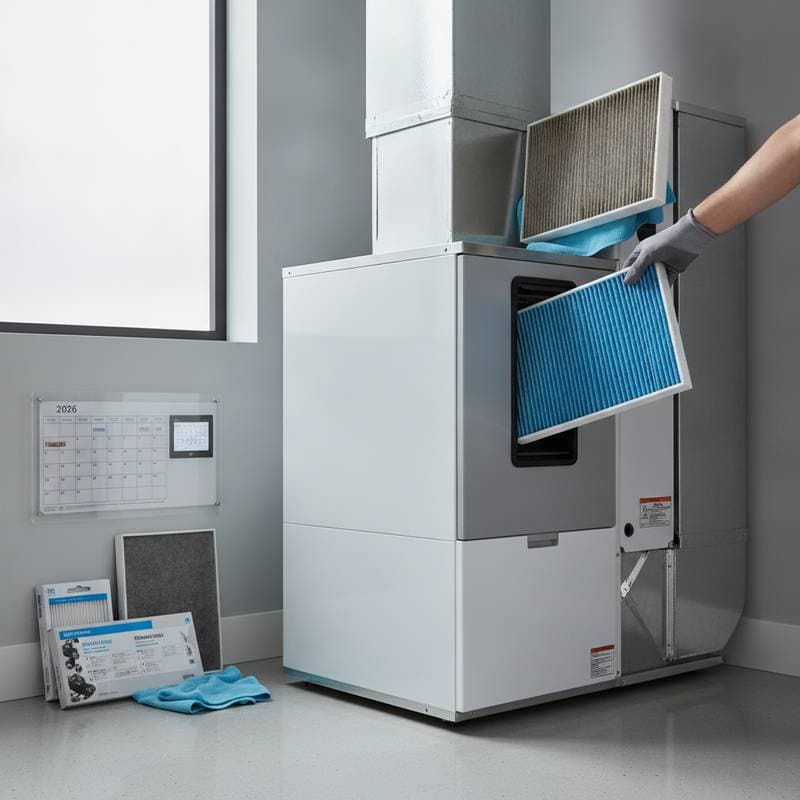
Position it securely to avoid distortion. Secure the panel and reactivate the system. -
Document the Installation Date.
Note it on the filter frame or via digital calendar. Establish monthly checks during peak operation.
This procedure demands little time and ranks among the most effective measures for air health and energy conservation.
Indicators Prompting Immediate Replacement
Schedules provide guidance, yet certain symptoms necessitate prompt action. Monitor these cues:
- Visible dust accumulation adjacent to vents or registers
- Reduced output from supply vents
- Unexplained upticks in utility statements
- Intensified allergy or asthma symptoms
- Pronounced discoloration or residue on the filter
Upon observing these, examine the filter without delay. Residences with animals, tobacco exposure, or intensive cooking may require monthly interchanges.
Scenarios Requiring Expert Intervention
Filter changes qualify as homeowner tasks, but persistent problems demand professional evaluation. If airflow lags despite a clean filter, duct obstructions or leaks may exist. Specialists diagnose concealed deposits or mismatched configurations impairing performance.
Technicians assess air pressure and quantify airflow to validate filter compatibility. They also configure advanced thermostats with alerts and sensors during routine servicing.
Enhancing HVAC Longevity with Comprehensive Maintenance
Filter care forms one pillar of upkeep; additional practices bolster efficiency:
- Vacuum return vents and covers biweekly
- Ensure unobstructed paths to air outlets from furnishings
- Arrange duct cleaning triennially if residues appear
- Clear outdoor units of foliage and refuse
- Seal window and door gaps to lessen system burden
These routines alleviate HVAC stress and promote uniform comfort. Properly tended equipment outlasts neglected counterparts by years.
Practical Recommendations for Optimal Results
-
Acquire in Quantity.
Stock spares to preclude postponement. -
Tag Openings.
In multi-zone homes, label each with size and type details. -
Leverage Notifications.
Apps or connected devices deliver timely prompts. -
Review Post-Activities.
Renovations or coatings generate dust that accelerates clogging. -
Monitor Consumption.
Abrupt bill rises often denote filtration concerns.
Safeguarding Your HVAC Through Consistent Habits
The fall filter replacement transcends routine duty; it shields a major household asset. Pristine filters ease component stress, refine interior atmosphere, and facilitate balanced climate control.
Monthly inspections and timely renewals ensure seamless operation. Regardless of basic or advanced filter selection, the outcome persists: streamlined circulation, diminished expenses, and salubrious air year-round.