Fall HVAC Filter Guide: Best Filters and Replacement Schedule for Cleaner Air
A home's air can feel stuffy and dusty when the HVAC system operates with a worn filter. Fall presents an ideal opportunity to inspect and replace it, particularly before the demands of heating season increase. Selecting the appropriate filter and adhering to a consistent replacement schedule maintains cleaner air, extends system longevity, and reduces utility expenses.
This guide covers essential aspects of HVAC filters, including types, MERV ratings, and replacement frequencies tailored to various household conditions. It includes cost analyses, practical DIY instructions, and guidance on professional assistance.
Why Fall Marks the Optimal Time for HVAC Filter Replacement
Throughout the summer cooling period, the HVAC system draws air through the existing filter, accumulating dust, pollen, pet dander, and lint that gradually impede airflow. As winter approaches, the filter faces intensified demands from heating operations. A timely replacement prior to this transition averts premature strain on the blower motor and enhances overall indoor air quality.
Studies from the National Air Filtration Association indicate that a clean filter can improve system efficiency by as much as 15 percent. This adjustment promotes consistent comfort while minimizing unnecessary runtime for the equipment.
Quick Reference: Recommended Filter Types and Schedules
For immediate guidance:
- Versatile choice: Pleated synthetic filter with MERV 8 to 11 rating
- Standard replacement: Every 60 to 90 days in typical households
- Allergy-prone environments: MERV 11 to 13, replaced every 30 to 60 days
- Homes with pets or smoking: MERV 10 or above, changed monthly
- Low-usage properties or vacation homes: Every 6 months suffices
Further details below explain selection based on system compatibility and daily routines.
Decoding MERV Ratings and Their Implications
MERV, or Minimum Efficiency Reporting Value, represents a standardized metric developed by the American Society of Heating, Refrigerating and Air-Conditioning Engineers. This rating evaluates a filter's capacity to capture particles across a spectrum of sizes.
| MERV Rating | Particle Size Captured (microns) | Common Applications | Suggested Replacement Interval |
|---|---|---|---|
| 1 to 4 | 10.0 or larger | Basic fiberglass options, basic dust management | 30 days |
| 5 to 8 | 3.0 to 10.0 | Standard pleated varieties, suitable for general residences | 60 to 90 days |
| 9 to 12 | 1.0 to 3.0 | Premium pleated filters, effective for allergen reduction | 30 to 60 days |
| 13 to 16 | 0.3 to 1.0 | Hospital-grade or cleanroom specifications, potential airflow limitations | 30 days or per manufacturer guidelines |
Residential systems generally benefit from MERV 8 to 11, which balances particle capture with adequate airflow. Elevated ratings excel at finer filtration yet risk overburdening aging blowers unaccustomed to increased resistance.
Overview of Prevalent HVAC Filter Varieties
Fiberglass Filters
These represent the affordable, disposable options commonly available in blue or green at hardware retailers.
- Thickness: 1 inch
- MERV rating: 1 to 4
- Ideal for: Residences lacking pets or allergy concerns, budget-conscious renters
- Price range: 2 to 5 dollars per unit
- Advantages: Economical and straightforward to install
- Drawbacks: Limited to large particles, minimal enhancement to air purity
Pleated Synthetic Filters
Constructed from polyester or cotton fibers arranged in accordion pleats, these designs maximize surface area for debris collection.
- Thickness: 1 to 2 inches
- MERV rating: 8 to 13
- Ideal for: Households seeking improved air cleanliness
- Price range: 10 to 25 dollars per unit
- Advantages: Effective against smaller contaminants, extended durability
- Drawbacks: Potential need for robust blower performance
Electrostatic Filters
These rely on static charge to draw in particles and appear in both disposable and reusable formats.
- Thickness: 1 to 2 inches
- MERV rating: 8 to 12
- Ideal for: Properties with pets or mild allergies
- Price range: 15 to 30 dollars for disposables, 40 to 100 dollars for reusables
- Advantages: Reusable models yield long-term savings
- Drawbacks: Reusables demand routine cleaning to preserve efficacy
HEPA Filters
High-Efficiency Particulate Air filters remove up to 99.97 percent of particles measuring 0.3 microns or larger.
- Thickness: 4 to 6 inches
- MERV rating: 17 or higher
- Ideal for: Specialized HVAC setups or independent purifiers
- Price range: 50 to 100 dollars per unit
- Advantages: Exceptional filtration performance
- Drawbacks: Incompatible with standard home systems due to size and resistance
Determining Replacement Timing
Conduct a straightforward visual check by holding the filter against a light source. If light fails to pass through or dust appears heavily encrusted, immediate replacement becomes necessary.
Typical intervals adjust to household dynamics:
- Solo occupant without pets: Every 90 days
- Family of four without pets: Every 60 days
- Family with one pet: Every 45 days
- Multiple pets or smoking households: Every 30 days
Frequent system operation or dusty locales warrant shorter cycles. Smart thermostats enable customized alerts for filter inspections.
Essential Tools and Materials for DIY Replacement
Filter swaps qualify as simple upkeep procedures. Prepare the following:
- Replacement filter matching the precise dimensions of the existing one (measure beforehand)
- Screwdriver for panels requiring access
- Vacuum cleaner or damp cloth to clear the intake vicinity
- Marker for dating the filter's edge upon installation
Detailed Replacement Steps
- Power down the HVAC unit via the thermostat.
- Identify the filter compartment on the return duct or within the blower housing.
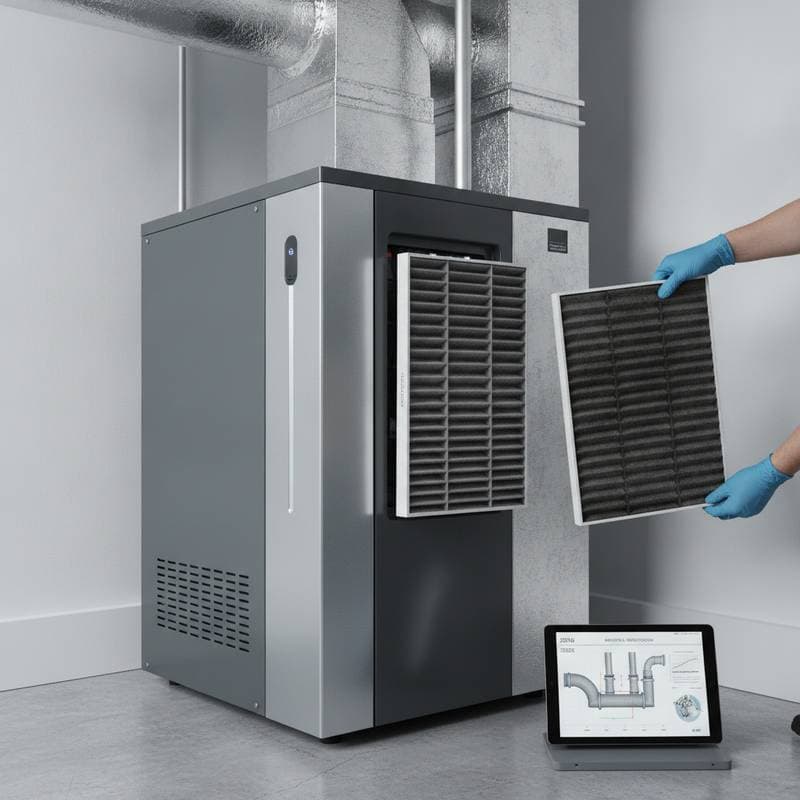
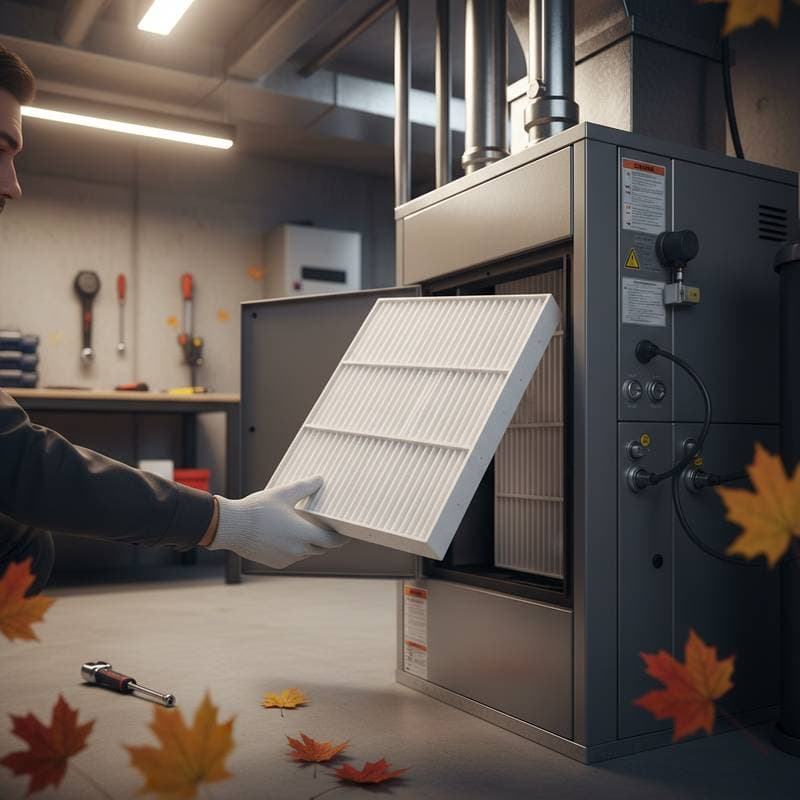
- Extract the old filter gently to prevent dispersing accumulated dust.
- Align the new filter according to the airflow arrows on its frame, directing toward the blower.
- Secure the access panel and reactivate the system.
- Inscribe the installation date on the filter for future reference.
The procedure typically concludes in under ten minutes, bypassing the expense of technician visits.
Pitfalls to Avoid in Filter Maintenance
Routine tasks invite oversights under haste. Common issues include:
- Reversed installation: Airflow arrows must orient toward the blower, away from the return.
- Overlooking schedules: Implement app notifications or calendar entries.
- Size mismatches: Verify dimensions like 16 x 25 x 1 inches for exact fits.
- Excessive MERV selection: High ratings may overload legacy equipment.
- Reusable filter neglect: Uncleaned reusables obstruct flow more than saturated disposables.
Annual Cost Analysis and Value Assessment
Yearly expenses fluctuate by filter category and change frequency.
| Filter Type | Average Annual Cost per System | Maintenance Effort |
|---|---|---|
| Fiberglass | 20 to 40 dollars | Minimal |
| Pleated Synthetic | 40 to 100 dollars | Moderate |
| Electrostatic Washable | 50 to 80 dollars (initial investment) | Substantial (monthly rinsing) |
| HEPA (adapted systems) | 100 to 200 dollars | Substantial |
Although fiberglass appears most budget-friendly, it permits debris accumulation in ducts and coils, escalating future servicing fees. Pleated synthetics deliver optimal cost-effectiveness paired with robust safeguarding.
Indicators for Professional Intervention
Self-replacement suits most scenarios, yet certain symptoms necessitate expert evaluation:
- Inconsistent temperature distribution despite fresh filters
- Escalating energy costs amid standard operation
- Persistent vent dust post-replacement
- Auditory whistling from return grilles
Technicians perform leak detections, static pressure assessments, and blower compatibility verifications. They may suggest integrated whole-home purifiers for enhanced performance.
Tailored Advice for Allergy and Asthma Management
In households affected by respiratory issues, filters transcend basic upkeep. Opt for pleated models at minimum MERV 11, ideally housed in 4-inch media cabinets to accommodate greater particle retention without rapid airflow decline.
Accelerate replacements to every 30 to 45 days. Complement with routine vacuuming of return vents using brush tools and humidity control at 35 to 45 percent to curb dust mites.
Coordinating bedroom portable purifiers with equivalent MERV or HEPA standards ensures uniform air quality throughout the residence.
Adaptations for Accessibility and Seniors
Individuals with mobility limitations or advanced age benefit from targeted modifications:
- Position filter grilles at reachable heights rather than overhead.
- Employ magnetic covers for effortless panel removal.
- Affix directional arrow labels on filters for clarity.
- Enroll in HVAC service subscriptions for periodic professional swaps.
Such measures minimize physical effort and guarantee uninterrupted maintenance.
Prolonging HVAC Longevity Through Routine Filter Care
Clogged filters impose undue pressure on HVAC components, compelling the blower to labor excessively while dust settles on coils and refrigerant pathways. Consistent replacements mitigate these effects, potentially adding years to equipment lifespan.
Data from the U.S. Department of Energy highlights that obstructed filters elevate energy consumption by up to 15 percent. Thus, a modest 10-dollar filter investment averts substantial annual losses in electricity and repairs.
Implementing Your Filter Maintenance Plan
Establish a dedicated calendar for filter checks aligned with your household profile. Track improvements in air freshness and bill reductions to reinforce the habit. This proactive approach secures a healthier, more efficient home environment year-round.