Why Fall Serves as the Optimal Period for HVAC Filter Replacement
Homeowners face distinct maintenance demands with each season. Fall emerges as the ideal interval to install new HVAC filters prior to the heating system's peak operation. As outdoor temperatures decline and residences remain sealed for extended durations, the quality of indoor air and overall system performance hinge on this essential, frequently neglected procedure.
This preparation addresses the transition from summer cooling to winter heating. Systems that operate without interruption accumulate contaminants, which compromise efficiency if not managed promptly. Regular filter replacement in fall establishes a foundation for reliable performance during colder months.
The Transition from Summer to Fall Taxes HVAC Systems
Summer cooling cycles generate substantial debris buildup in filters, including dust, pollen, and pet hair. By fall, these elements saturate the filter media. When heating activates, restricted airflow forces the furnace or heat pump to labor excessively, leading to inconsistent warmth distribution, extended operation periods, and elevated energy expenses.
Fresh filters facilitate unobstructed warm air circulation through ductwork and vents. This adjustment maintains uniform room temperatures, alleviates stress on the blower motor, and controls power usage. Homeowners typically observe reductions in monthly utility statements, often by 5 to 15 percent, depending on prior filter condition and system age.
To identify buildup, inspect filters at the season's start. Systems in dusty areas or those with frequent use benefit most from proactive replacement. This step prevents minor issues from escalating into major inefficiencies.
Impacts of Clogged Filters on Indoor Air Quality
Filters capture a range of airborne particles beyond mere dust, such as pollen grains, mold spores, and tobacco residue. Clogged filters fail to contain these elements, allowing them to recirculate through the home. Exposure heightens risks of respiratory irritation, allergic reactions, and discomfort, particularly among vulnerable individuals like children, seniors, or those with asthma.
Installing a clean filter actively removes contaminants from the air stream. Residents report reduced surface dust accumulation and diminished persistent smells as benefits. This practice fosters a healthier indoor atmosphere with investments limited to filter costs alone.
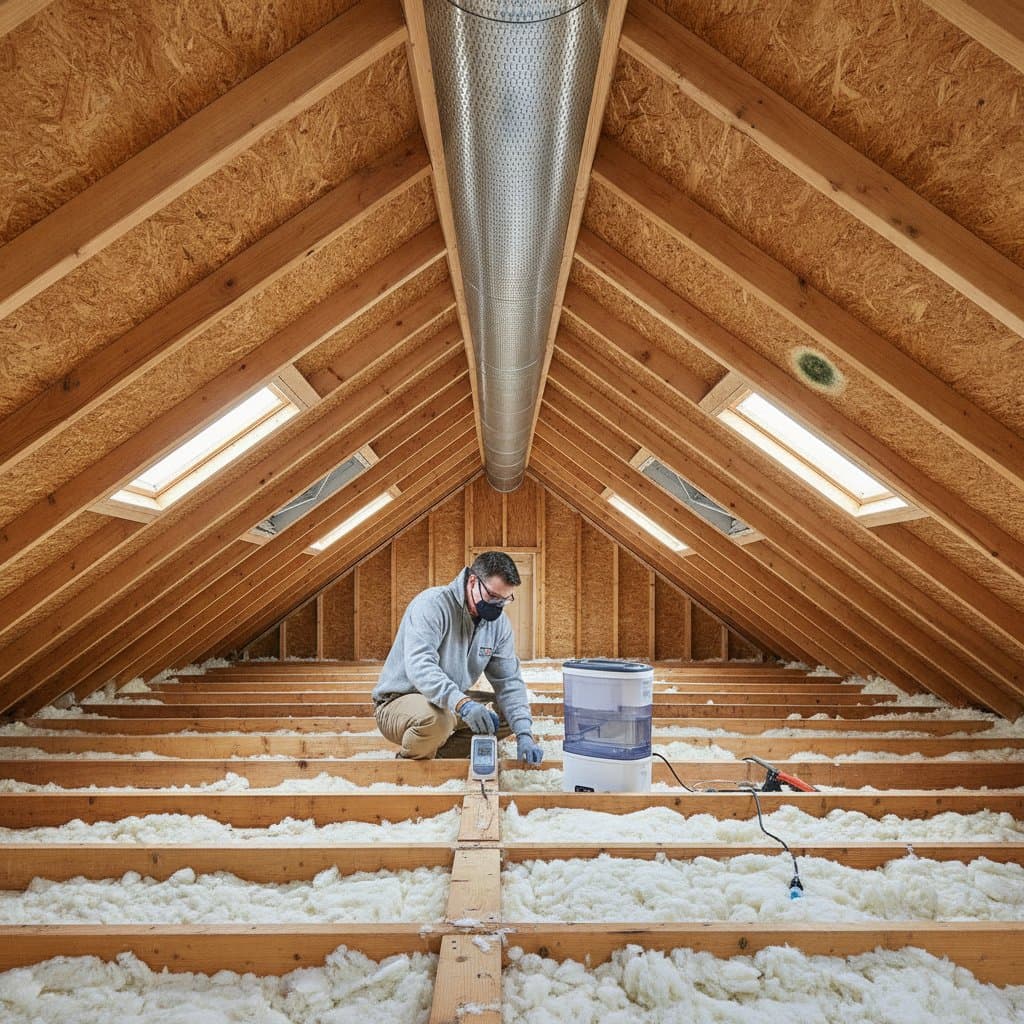
Consider air quality monitors to track improvements post-replacement. In high-pollen regions, timely changes correlate with fewer allergy episodes. Overall, clean filtration supports well-being without requiring advanced equipment.
Selecting Appropriate Replacement Filters
Filter effectiveness varies by design and specifications. Selection hinges on HVAC configuration, family health requirements, and financial considerations. The MERV rating quantifies particle capture capability, with values from 1 to 20 indicating efficiency levels for specific sizes, such as 0.3 to 10 microns.
Residential units generally perform best with MERV 8 to 12 ratings, balancing filtration thoroughness and airflow preservation. Systems rated for higher MERV, like 13 or above, suit allergy-prone households but demand verification of compatibility to avoid motor strain. Prices range from $10 to $40 per unit, influenced by dimensions and material quality; premium options endure longer and yield superior results.
Consult the HVAC manual for recommended ratings. For pet owners, prioritize filters with electrostatic properties that enhance allergen trapping. Test different types seasonally to optimize outcomes.
Determining Replacement Frequency for HVAC Filters
Manufacturer guidelines suggest three-month lifespans, yet real-world factors dictate shorter cycles. Residences with animals, tobacco use, or elevated dust necessitate changes every four to six weeks. Cleaner settings permit extensions to eight to twelve weeks.
Establish a monthly inspection routine during intensive seasons like fall and winter. Examine the filter against light; opacity signals replacement necessity. Stock multiple spares in standard sizes to streamline the process.
Track usage via a log to refine intervals. Heavy cooking or construction nearby accelerates clogging. Consistent monitoring prevents overlooked maintenance.
Essential Techniques for Effective Filter Replacement
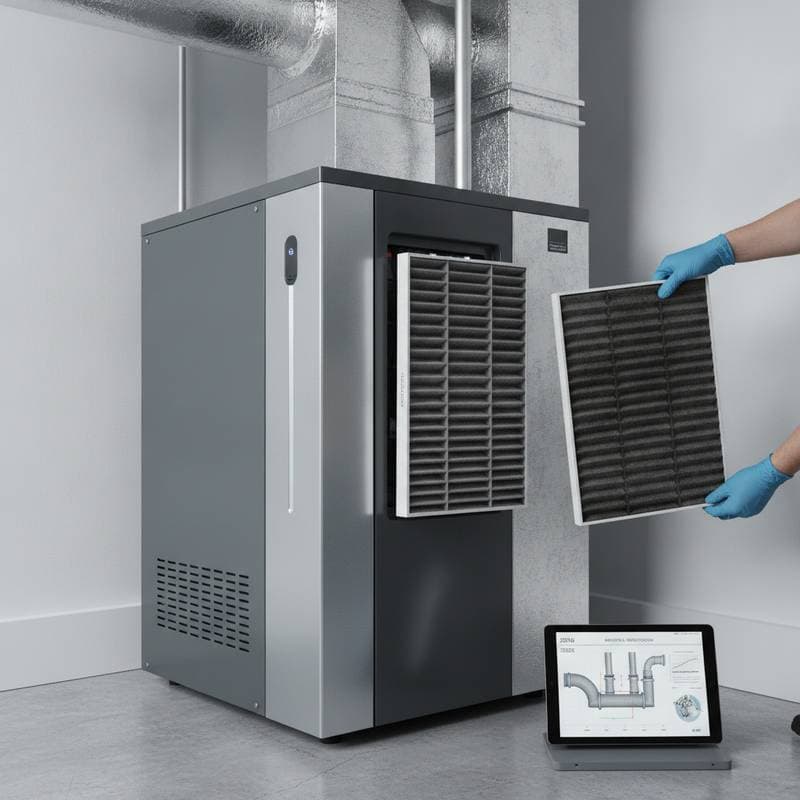
- Power down the HVAC unit prior to filter removal to avoid drawing loose particles into ducts.
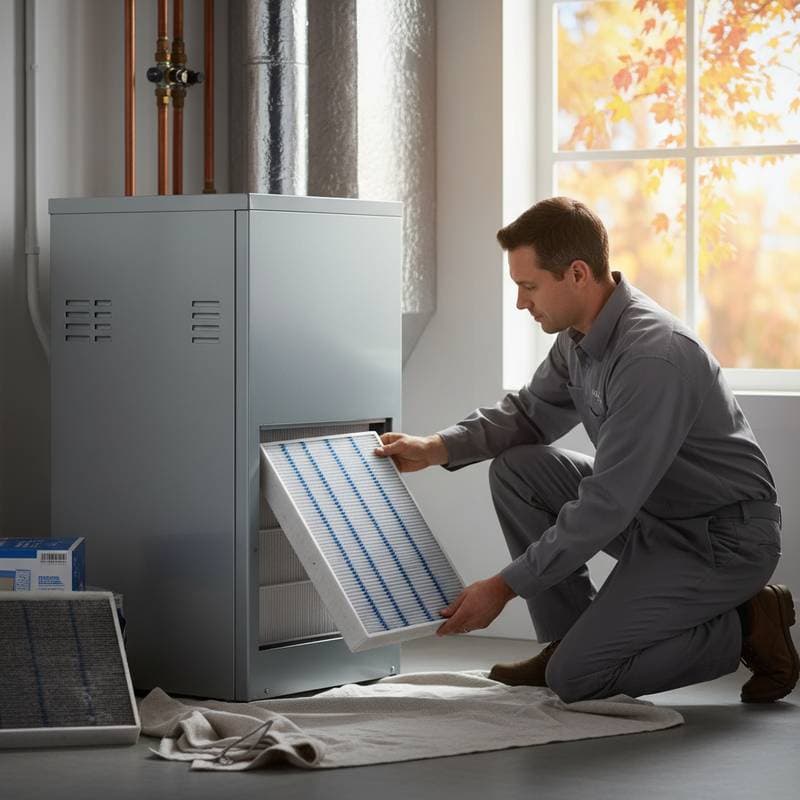
- Verify dimensions against the markings on the existing filter frame to ensure a secure fit and prevent bypass leaks.
- Orient the filter properly by aligning airflow direction arrows toward the blower assembly.
- Clean surrounding areas by vacuuming return air grilles and registers to eliminate settled debris.
- Schedule future checks using calendar alerts or apps to maintain year-round consistency.
These procedures demand minimal time, often under 10 minutes. Repeat them quarterly for sustained benefits. Professional assistance proves useful for complex installations.
Sustaining HVAC Performance and Home Comfort
Fall filter replacement equips the system for demanding winter conditions. It shields critical parts from premature wear, enhances thermal regulation, and purifies circulating air. Oversight of this routine accelerates component failure and incurs repair expenses surpassing routine filter outlays.
View fall as the launch for comprehensive air care. Implement these strategies to minimize energy loss, safeguard occupant health, and maximize return on HVAC assets. Consistent application yields lasting efficiency and tranquility indoors.