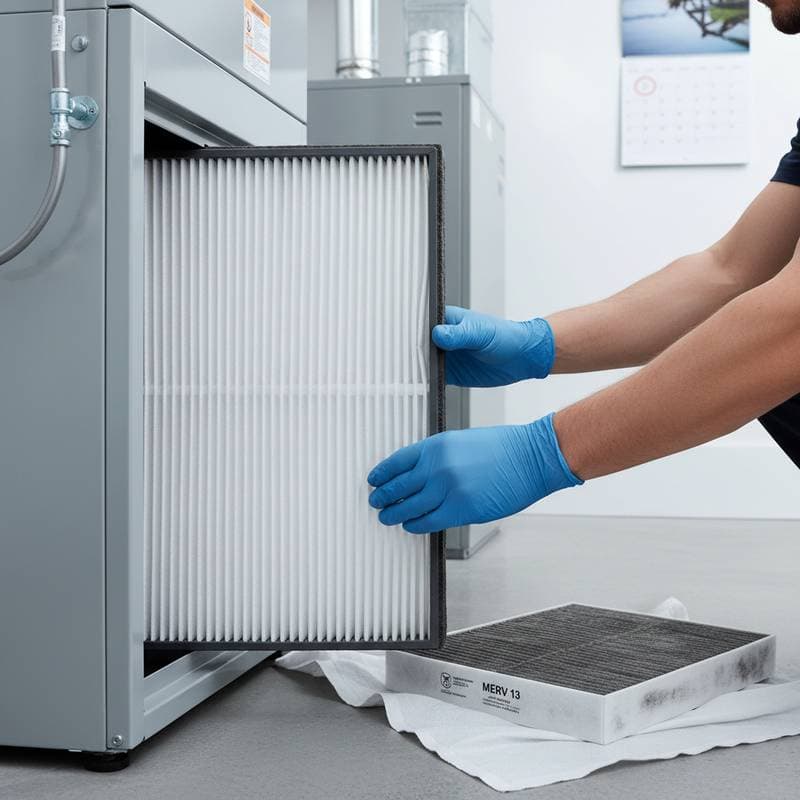
Best Fall HVAC Filter: Timing and Type Guide
Changing the HVAC filter at the optimal time enhances home comfort and system efficiency. Fall brings shifts in air quality and temperature, making it an ideal period to inspect, clean, or replace the filter. A suitable filter ensures the furnace and air conditioner operate smoothly, reduces energy expenses, and minimizes allergens in the indoor air.
This guide covers the best times for filter changes, appropriate types for various systems, and strategies for establishing a maintenance routine that supports performance during cooler weather.
How to Know When It's Time to Change the Filter
Homes vary in their needs, yet certain indicators signal that a filter requires replacement:
- Visible dust accumulation near vents or dark residue on the filter surface.
- Extended durations for heating or cooling cycles.
- Inconsistent room temperatures despite a stable thermostat setting.
- Increased instances of sneezing or coughing among residents.
- Elevated energy bills without alterations in usage patterns.
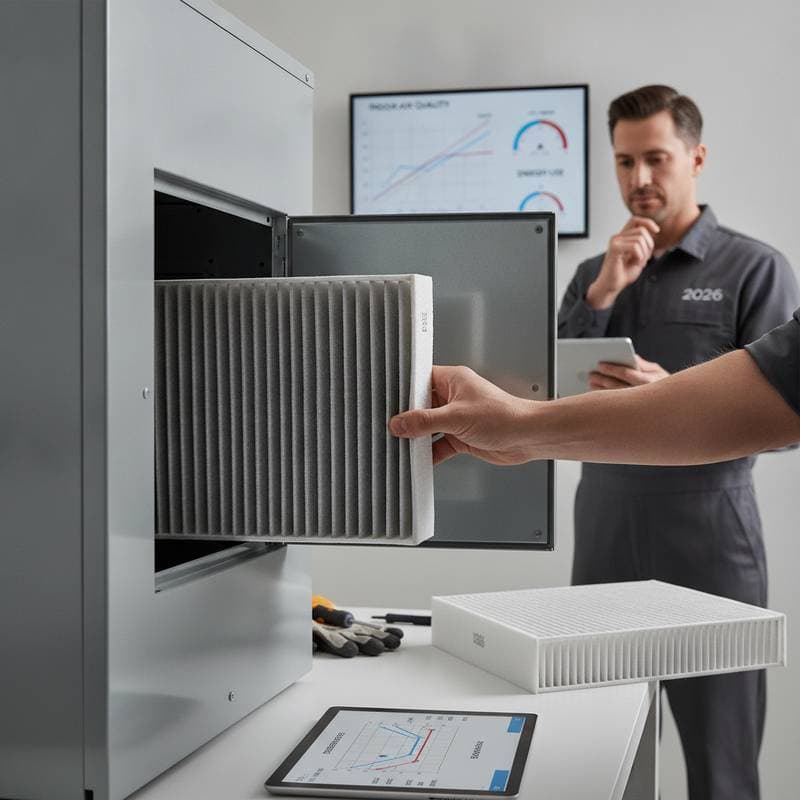
When these signs emerge, inspect the filter promptly. Remove it and hold it against a light source. If light fails to penetrate, airflow is restricted, necessitating immediate replacement.
Regular checks prevent minor issues from escalating. For instance, a clogged filter forces the system to work harder, leading to premature wear on components like the blower motor.
Understanding MERV Ratings
MERV represents Minimum Efficiency Reporting Value, a standard that measures a filter's ability to capture particles. Ratings range from 1 to 20, with lower values permitting greater airflow while capturing fewer particles, and higher values trapping more contaminants but potentially reducing airflow in incompatible systems.
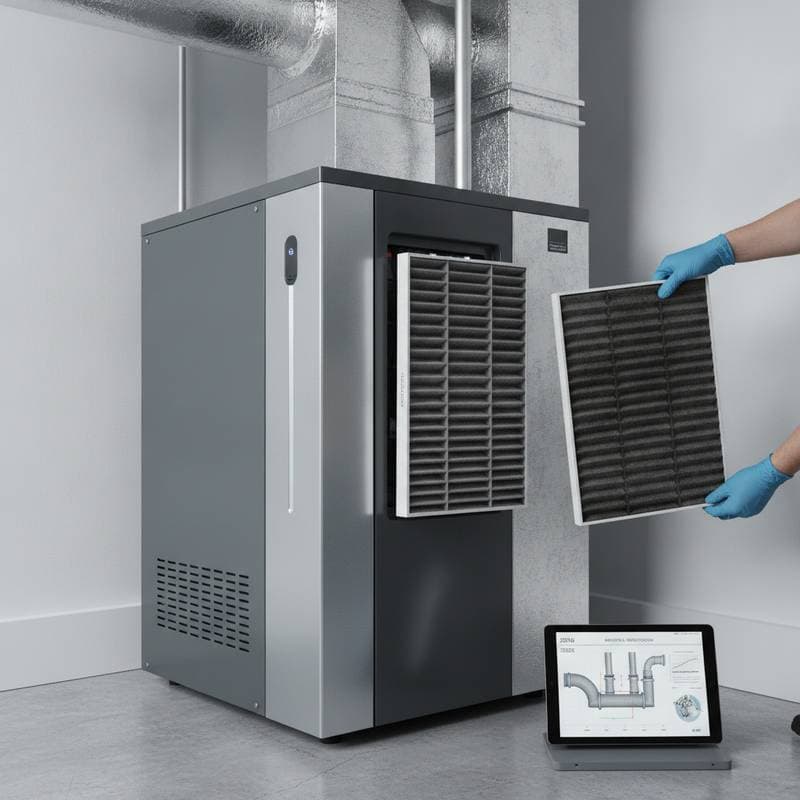
For typical residential setups, MERV ratings between 8 and 13 strike an effective balance. These options remove common household dust, pollen, and pet dander without overburdening the HVAC unit. Households with severe allergies or multiple pets may opt for MERV 11 to 13 for superior filtration. Older or less powerful systems benefit from MERV 6 to 8 to maintain adequate air circulation and avoid strain.
Selecting the correct rating involves consulting the HVAC manual or a professional. Mismatched filters can increase energy use by up to 15 percent and shorten equipment lifespan.
Setting a Fall Maintenance Schedule
Establishing a consistent schedule prevents overlooked maintenance and ensures optimal air flow. Most households should inspect filters monthly and replace them every one to three months, adjusted for factors like occupancy and environmental conditions. Residences with pets, tobacco use, or allergy sufferers often require changes every 45 to 60 days.
Place a reminder sticker adjacent to the thermostat or mark dates on a physical calendar. Digital tools, such as maintenance applications, offer automated alerts for upcoming tasks. This proactive approach minimizes particle buildup, safeguarding health and preserving HVAC integrity.
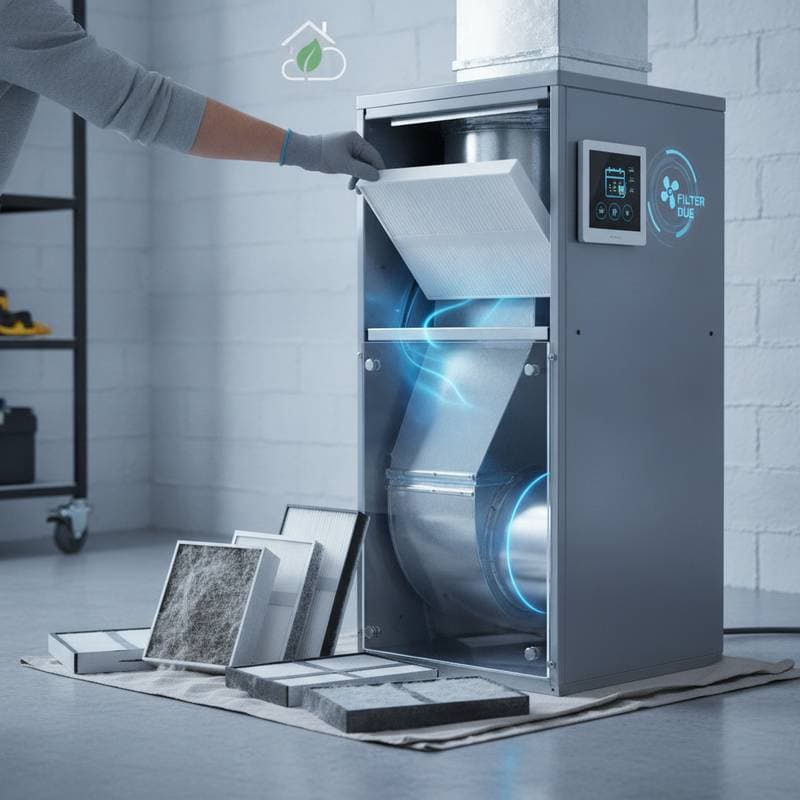
Begin the fall routine by changing the filter upon the first use of heating. Subsequent checks align with monthly cycles, allowing adjustments based on observed dust levels or system performance.
Expert and User Insights
HVAC professionals emphasize that filters represent a frequently neglected aspect of system upkeep. Discussions in online homeowner communities reinforce this perspective, with participants highlighting reduced allergy symptoms and decreased utility costs following regular replacements.
One resident reported that switching to pleated filters and adhering to six-week intervals transformed a previously dusty interior into a noticeably fresher space. Another individual observed that his furnace ceased short-cycling after installing a filter matched to the system's specifications. Such accounts demonstrate how straightforward practices yield tangible improvements in daily living.
Technicians recommend documenting each change, including the filter type and date, to track patterns over time. This record aids in refining the schedule for maximum effectiveness.
Implement Your Filter Maintenance Plan
A well-maintained HVAC system thrives on unobstructed, purified airflow. Addressing filters in fall equips the home for reliable heating, superior air quality, and reduced expenses throughout winter.
Select a filter aligned with your system's capacity, establish a reliable schedule, and monitor ongoing results. This practice not only shields respiratory health and equipment durability but also stabilizes household budgets. Consistent attention to this task results in diminished dust accumulation, consistent air distribution, and subdued operational noise, fostering a secure and pleasant indoor environment year-round.