Essential Fall HVAC Filter Maintenance
As temperatures decline and heating systems activate, HVAC units demand proactive care to maintain efficiency. Focus begins with the air filter, a component that directly influences energy consumption, indoor air quality, and equipment longevity. Homeowners often neglect this routine task, yet addressing it promptly yields significant benefits, including reduced utility costs and fewer unexpected repairs. This guide details the process of fall filter maintenance, from filter selection to implementation strategies.
Exploring HVAC Filter Types
Filters vary in design and capability, with selection guided by household requirements and system compatibility. Consider the following primary categories:
Fiberglass Filters
These budget-friendly, disposable units capture larger debris such as dust and pet hair. They offer basic protection at low cost but permit finer particles to pass through. Opt for this type in low-dust environments where frequent replacements suit the maintenance routine.
Pleated Filters
Constructed from folded polyester or cotton materials, pleated filters trap smaller allergens like pollen and mold spores while preserving adequate airflow. They strike an effective balance between filtration quality and system performance. Many residences benefit from this versatile option for everyday use.
Electrostatic Filters
These units employ static charge to draw in particles ranging from dust to microscopic irritants. Washable variants reduce long-term expenses through reusability. Households with allergy sufferers or multiple pets gain substantial advantages from their enhanced contaminant removal.
HEPA Filters
High Efficiency Particulate Air filters target ultrafine particles, including bacteria and tobacco residue, achieving up to 99.97 percent capture rates. They suit advanced systems or require unit modifications for standard installations. Reserve them for environments demanding superior air purification.
Evaluate filters using the Minimum Efficiency Reporting Value (MERV) scale, where ratings from 8 to 12 suit most residential applications. Higher values enhance filtration but may strain airflow if the system lacks sufficient power; consult unit specifications to avoid restrictions.
Deciding Between DIY Replacement and Professional Service
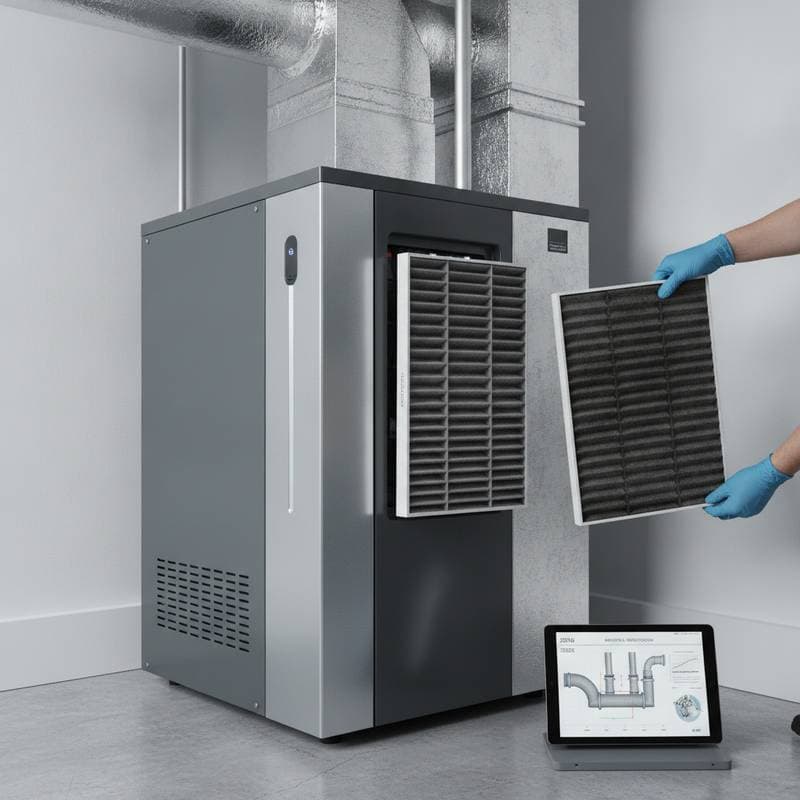
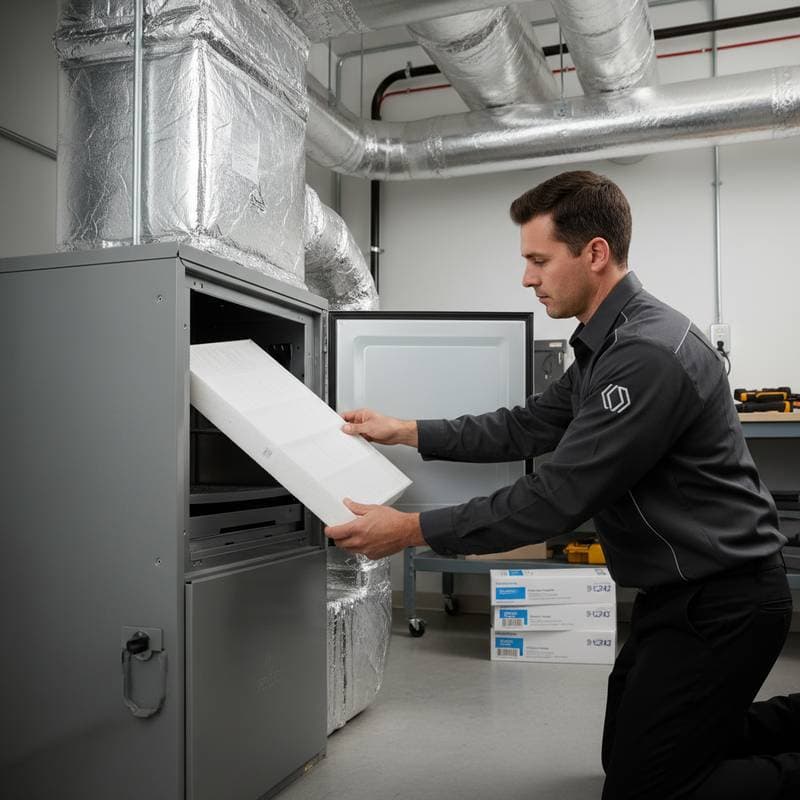
Most filter changes qualify as straightforward homeowner tasks, requiring minimal tools and time. Locate the filter slot, typically near the return air duct or furnace base, slide out the old unit, and insert the new one with arrows pointing toward airflow direction. Complete the process in under five minutes for accessible systems.
However, seek professional intervention for complex scenarios. Indicators such as diminished airflow, inconsistent temperatures, or unusual sounds suggest underlying issues beyond filter clogging, like duct leaks or coil accumulation. Technicians perform comprehensive diagnostics, including blower motor checks and refrigerant level assessments.
Professionals excel in servicing inaccessible filters or multi-zone setups. They recommend optimizations, such as duct sealing or smart thermostat integration, to maximize efficiency. Seasonal service plans often encompass filter swaps, thorough cleanings, and performance tuning, providing year-round reliability.
Homeowners in online forums, including improvement communities, share experiences where pre-winter inspections averted failures. One account described how a routine check identified a worn component, preventing a costly winter outage.
Establishing an Effective Filter Replacement Schedule
Consistent timing prevents oversight and maintains system health. Implement these strategies to stay on track:
- Program recurring alerts in digital calendars for intervals of 60 to 90 days, adjusted for usage intensity.
- Mark installation dates directly on filters with permanent ink for quick visual reference.
- Enroll in subscription services that deliver compatible replacements on a predetermined cycle.
- Integrate filter checks into broader seasonal protocols, such as furnace inspections or exterior cleanups.
Accelerate schedules in high-particle homes, including those with animals or sensitive occupants. Monitor for rapid dirt buildup or vent odors, which signal the need for earlier intervention. Regular adherence can decrease energy use by up to 15 percent, as unrestricted airflow optimizes heating cycles.
Prioritizing Safety During Filter Handling
Preparation ensures a secure process. Deactivate power at the furnace breaker to eliminate risks from sudden operation. Inspect the existing filter for contaminants; don gloves to handle soiled units and seal them in disposal bags to contain debris.
For reusable electrostatic types, rinse under low-pressure water, avoiding harsh chemicals that damage the media. Allow full air-drying in a well-ventilated space before reinstallation, as residual moisture fosters microbial growth within ducts. Keep backups in a cool, shaded storage to maintain integrity.
Test system operation post-replacement by running the fan briefly and listening for normal sounds. If irregularities persist, schedule a technician visit to rule out complications.
Benefits of Professional Maintenance Plans
Convenience drives many to opt for expert oversight. Contracts typically cover biannual visits with filter exchanges, component lubrications, and efficiency verifications. Specialists examine fuel lines, wiring integrity, and control settings to uphold safety standards.
Field professionals emphasize that proactive servicing correlates with 30 percent fewer malfunctions annually. Such diligence preserves warranty coverage and extends unit lifespan, often by years.
Select providers holding credentials from bodies like the National Air Duct Cleaners Association. Review feedback from verified clients and confirm state licensing for assured quality.
Sustaining System Performance Through the Season
Filter diligence forms the foundation of effective home heating. Identify precise dimensions and MERV needs via unit labels, then commit to timely updates. Professional partnerships offer reassurance for those valuing expertise over self-management.
These practices deliver cleaner air, stable temperatures, and substantial savings. Invest time now in filter care to enjoy uninterrupted warmth and lower expenses throughout the colder months.