Prepare Your Heating System Now for a Cozy Winter Ahead
When cold weather arrives, a well-prepared heating system makes the difference between a comfortable home and a stressful season filled with breakdowns and high bills. Preparing the system early keeps it running efficiently, helps avoid costly repairs, and ensures steady warmth once temperatures drop. Whether you rely on a furnace, boiler, or heat pump, a few hours of attention now saves money and frustration later.
Inspect and Clean the Furnace
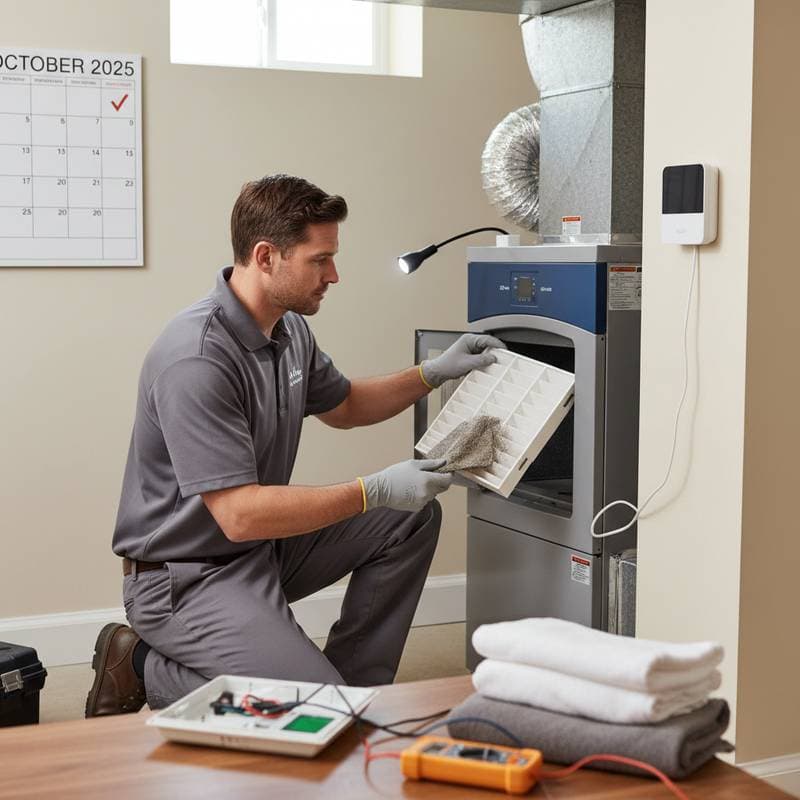
Turn off the power to the furnace at the breaker panel before beginning. Remove the access panel and vacuum inside the cabinet to clear dust, cobwebs, and debris that block airflow or affect sensors. Focus on the blower fan blades, control board, and burners; soot or corrosion signals incomplete combustion or moisture issues that require professional evaluation.
Basic cleaning and inspection require about one hour for most homeowners. Professional service costs range from 100 to 200 dollars, depending on location and furnace type. HVAC technicians recommend scheduling maintenance in early fall, when service providers offer more flexible appointments before the first cold snap.
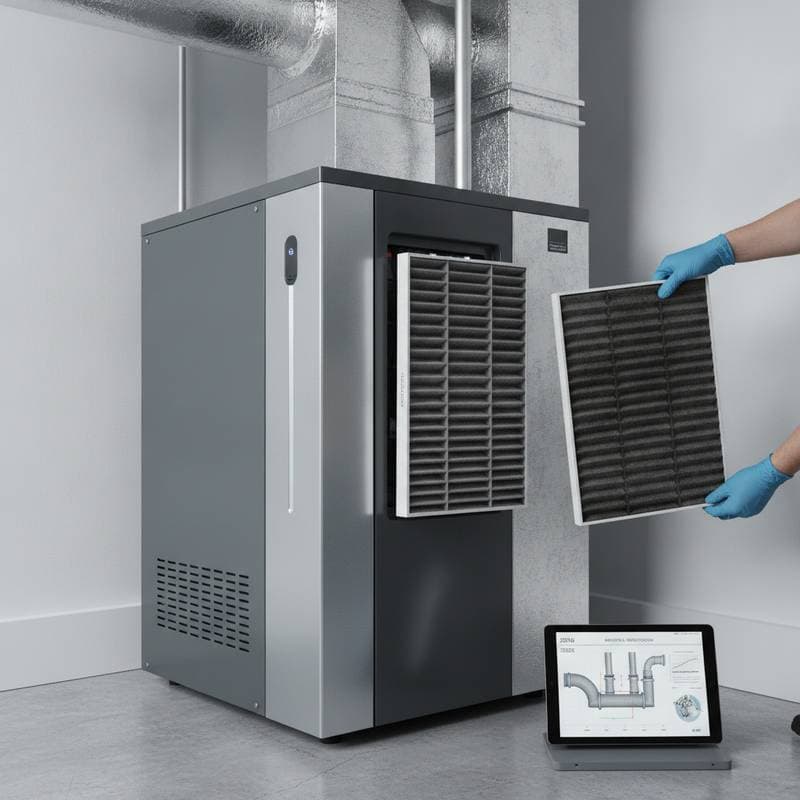
Replace or Clean the Air Filter
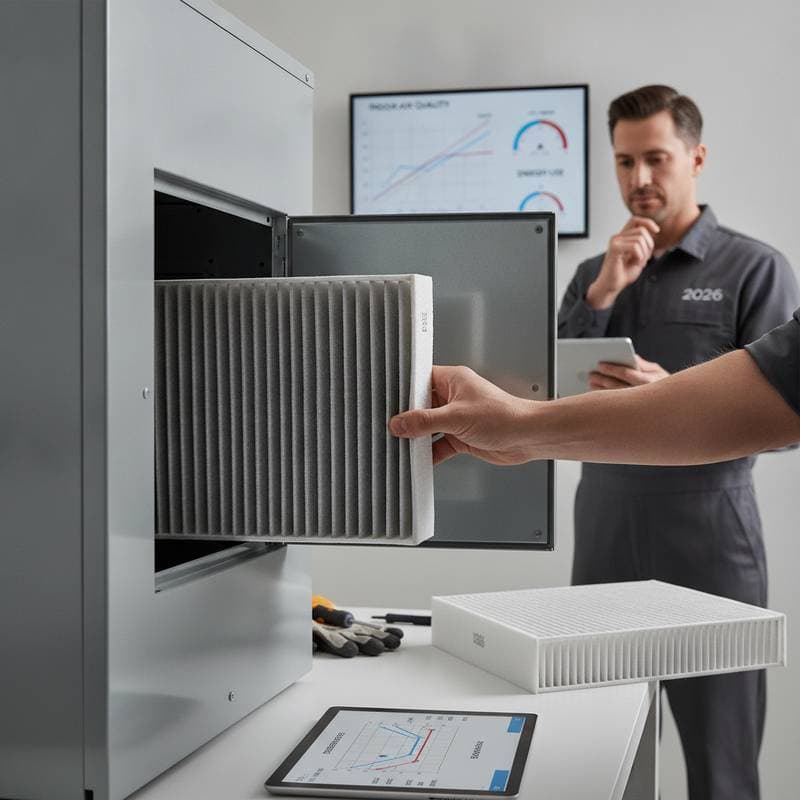
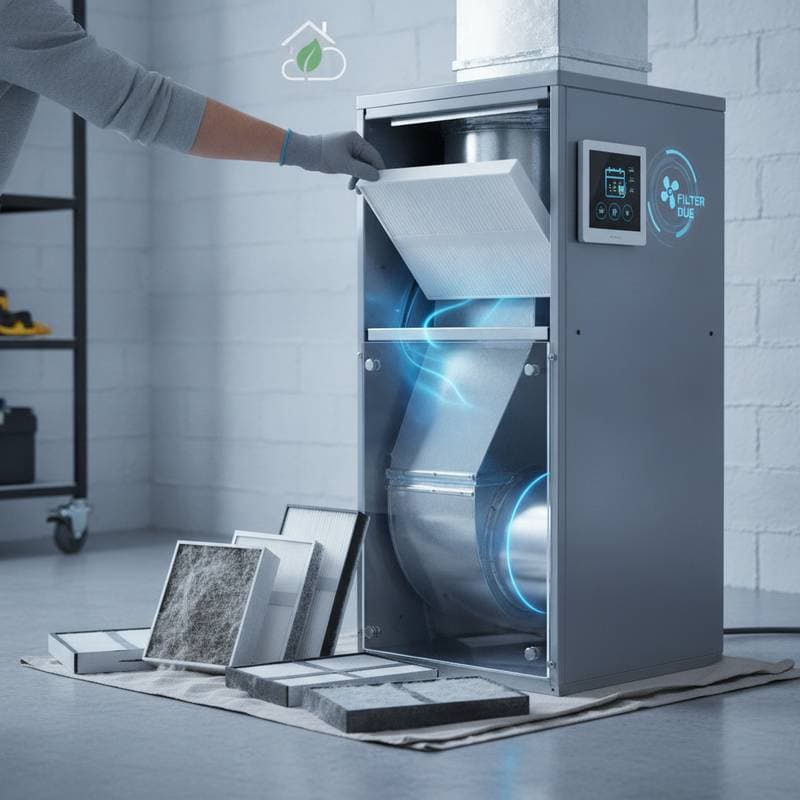
A dirty filter reduces heating performance by restricting airflow, forcing the furnace to work harder, and increasing energy use. Replace disposable filters every one to three months; clean reusable filters with mild soap and water, then allow them to dry completely before reinstalling.
Select replacements based on the system’s recommended size and MERV rating. Filters rated MERV 8 to 11 provide balanced filtration and airflow; higher ratings capture finer particles but may strain older blowers. A mid-grade filter costs 10 to 25 dollars, and regular changes lower energy bills by up to 15 percent.
Test the Thermostat
The thermostat controls heating system operation, so test it before the season starts. Switch to heat mode and raise the set temperature by a few degrees; the furnace or heat pump should activate within one or two minutes. If no response occurs, verify battery power and confirm the circuit breaker position.
Upgrade outdated thermostats to programmable or smart models for automatic scheduling that reduces costs by 10 to 20 percent. Basic programmable units cost about 50 dollars, while Wi-Fi-enabled smart versions range from 100 to 250 dollars. Utility companies often provide rebates for energy-efficient models; review local programs prior to purchase.
Check the Exhaust and Air Intake Vents
Blocked vents lead to carbon monoxide buildup or unexpected shutdowns. Inspect exterior exhaust pipes and air intake lines, removing leaves, nests, or debris; ensure roof or wall vents have intact caps and screens.
Inside the home, confirm supply and return vents remain open and free of obstructions like furniture, rugs, or curtains, which cause uneven heating. Vacuum vent covers and grilles to eliminate dust and support consistent air circulation.
Examine the Ductwork for Leaks
Leaky ducts waste up to 30 percent of heated air. In accessible areas such as basements, attics, or crawl spaces, identify visible gaps, loose connections, or missing insulation. With the system running, run your hand along ducts to detect escaping air, then seal small leaks using UL-rated foil tape or duct mastic rather than cloth duct tape, which deteriorates under heat.
For widespread or hidden leaks, arrange professional testing via blower door or duct pressure methods. Sealing services cost 300 to 700 dollars for a standard home, with energy savings recouping the investment in two to three seasons.
Inspect the Blower Motor and Belt
Squealing or rattling noises indicate issues with the blower motor or drive belt. With power off and access panel removed, examine the belt for cracks or fraying; a worn belt slips, reducing airflow and efficiency. Replacement belts cost about 20 dollars and install easily on standard systems.
Lubricate blower motor bearings if oil ports exist near the shaft, applying two or three drops of light household oil per port. Modern sealed motors require no lubrication; refer to the owner’s manual to confirm.
Monitor Carbon Monoxide and Smoke Detectors
Test all smoke and carbon monoxide detectors at the start of each heating season, replacing batteries as necessary. Position detectors near bedrooms and on every level of the home. Carbon monoxide lacks color and odor, making early detection essential; replace units older than seven years.
Combination detectors cost around 30 dollars and provide reliable protection throughout winter.
Bleed Radiators and Check Boiler Systems
In homes with hot water radiators or boilers, trapped air hinders heating. Use a radiator key or small screwdriver to bleed each radiator until water flows steadily, keeping a towel nearby for drips. Verify the boiler pressure gauge reads 12 to 15 psi when cool; low pressure requires manual consultation or professional refilling of the expansion tank.
Examine the boiler’s sight glass for clear water without sediment; cloudy or rusty conditions suggest corrosion or buildup. Flush the system every few years to preserve efficiency and equipment longevity.
Schedule Professional Maintenance
Annual inspections by certified HVAC technicians offer comprehensive checks beyond basic upkeep. Technicians test combustion, verify electrical connections, inspect heat exchangers for cracks, and ensure proper venting. They also calibrate gas pressure and detect subtle leaks.
Maintenance plans with two seasonal visits and emergency priority cost 150 to 300 dollars yearly, preventing significant repairs.
Evaluate Insulation and Weatherproofing
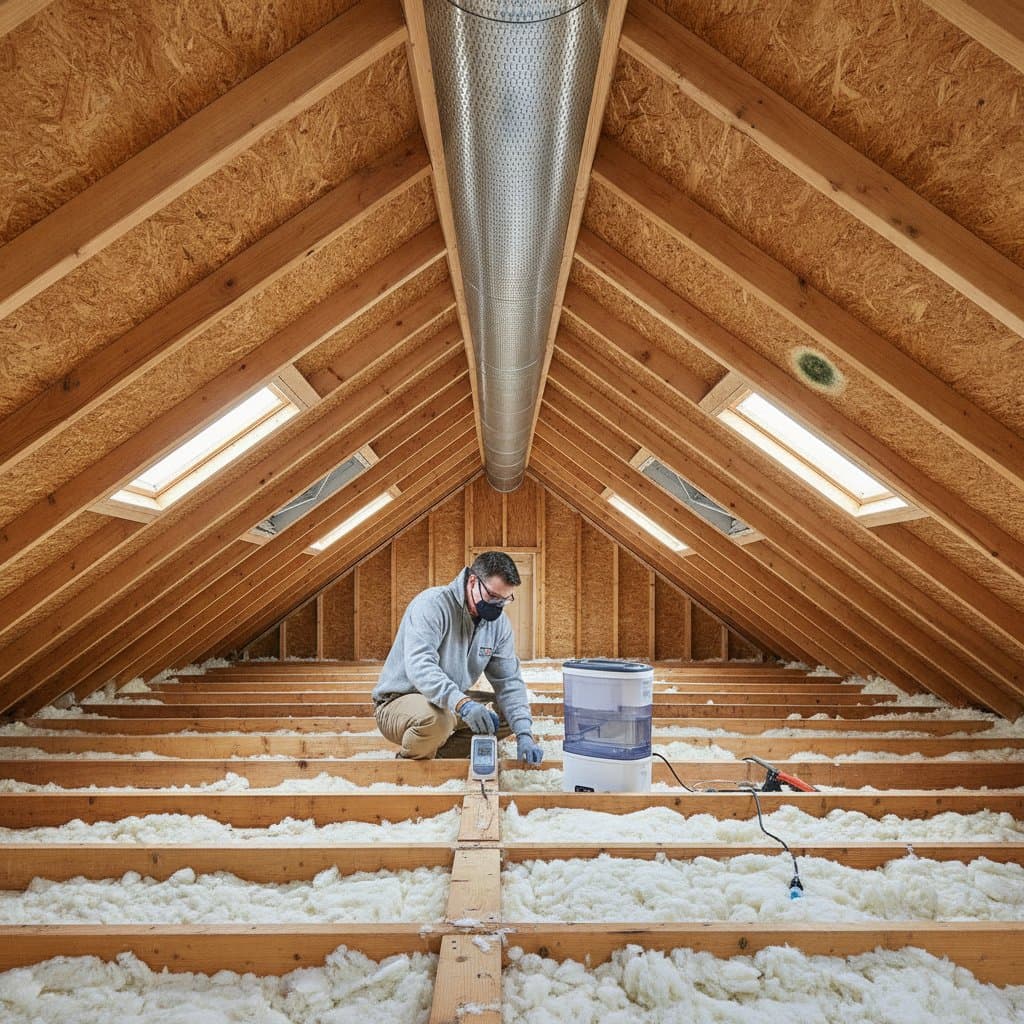
Optimal heating performance depends on minimizing heat loss. Attic insulation should measure 10 to 14 inches thick, varying by material. Seal window and door gaps with weatherstripping or caulk to block drafts; add insulated curtains or cellular shades to reduce window heat loss by up to 25 percent.
Essential Steps for Long-Term Reliability
- Begin testing before the initial cold front arrives, allowing time for repairs without delays.
- Maintain records of maintenance dates, filter replacements, and service invoices to aid technicians in spotting patterns.
- Note unusual sounds like rattling or humming, which signal loose components or airflow issues.
- Assess airflow periodically; weakness points to clogged filters, obstructed vents, or motor failure.
- Prioritize safety by disconnecting power before accessing furnace or boiler internals.