The Simple AC Prep That Prevents Costly Summer Repairs
Every summer, homeowners across the country face the same issue: air conditioners that fail when they are needed most. Routine preparation before the heat arrives can prevent expensive emergency repairs and save hundreds in energy costs. A few simple steps done early can make the difference between a cool, comfortable home and a sweaty scramble for a last-minute technician.
Why Early AC Preparation Matters
Air conditioners lose efficiency when dirt, dust, or debris build up inside the system. The added strain forces components like compressors and fans to work harder, which can shorten their lifespan. Regular preparation helps maintain airflow, reduce wear, and keep energy use steady. A well-maintained unit can use up to 15 percent less electricity compared to one that is neglected.
AC technicians often schedule maintenance appointments weeks in advance once temperatures rise. Early preparation avoids the seasonal rush and ensures that any issues are fixed before they turn into major problems. According to the Home Energy Efficiency Association, nearly half of all AC breakdowns could have been prevented with proper preseason care.
The Core AC Maintenance Checklist
A basic AC prep routine can be completed in a single afternoon. It requires minimal tools and can prevent the most common summer malfunctions. Follow these steps to prepare your system effectively.
-
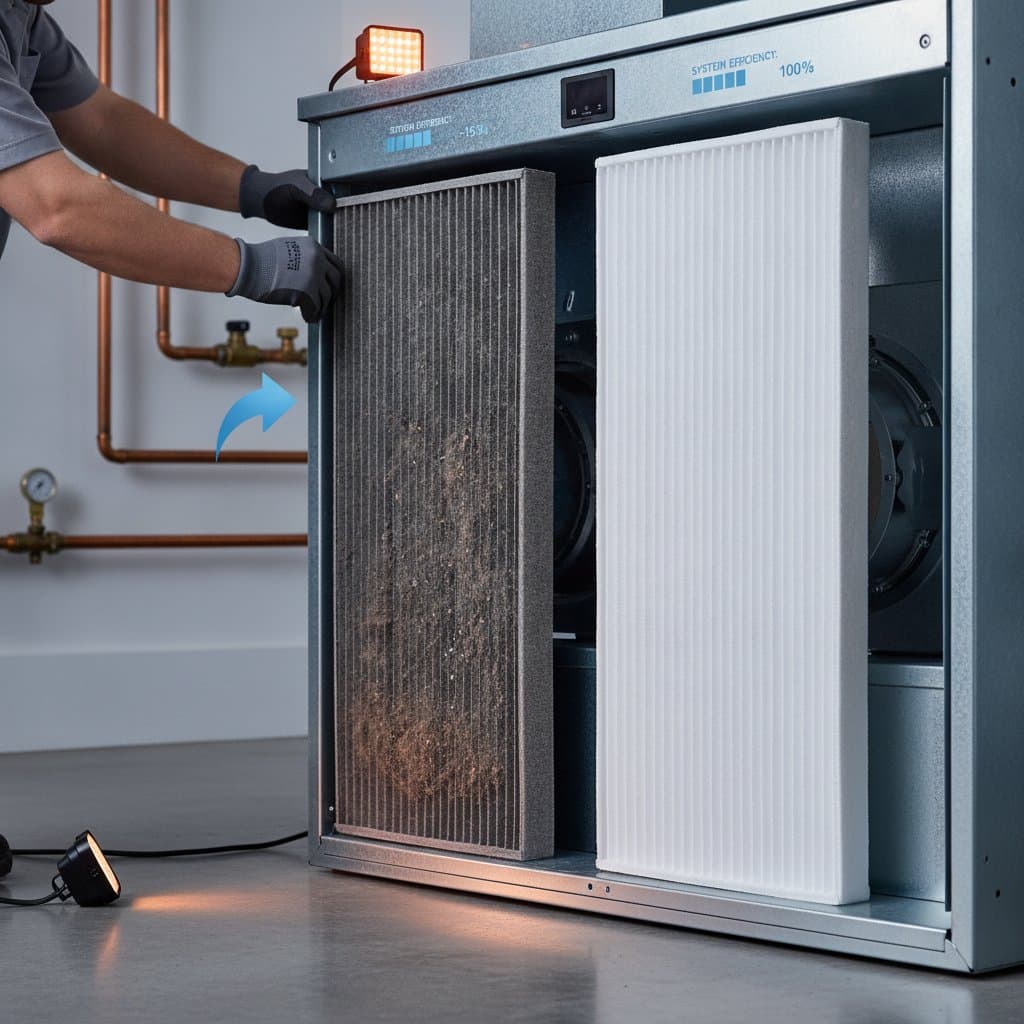
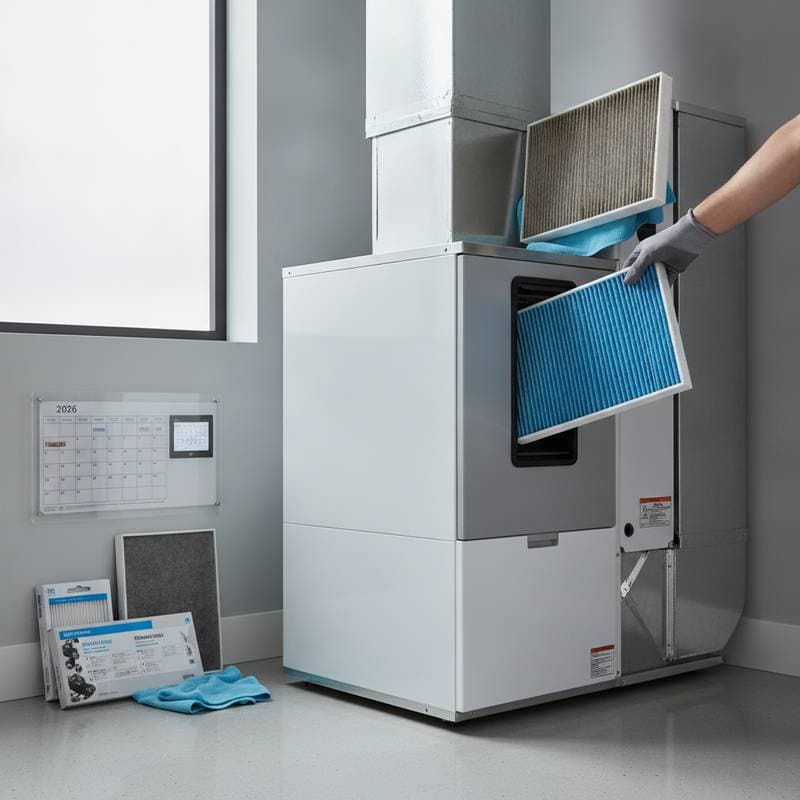
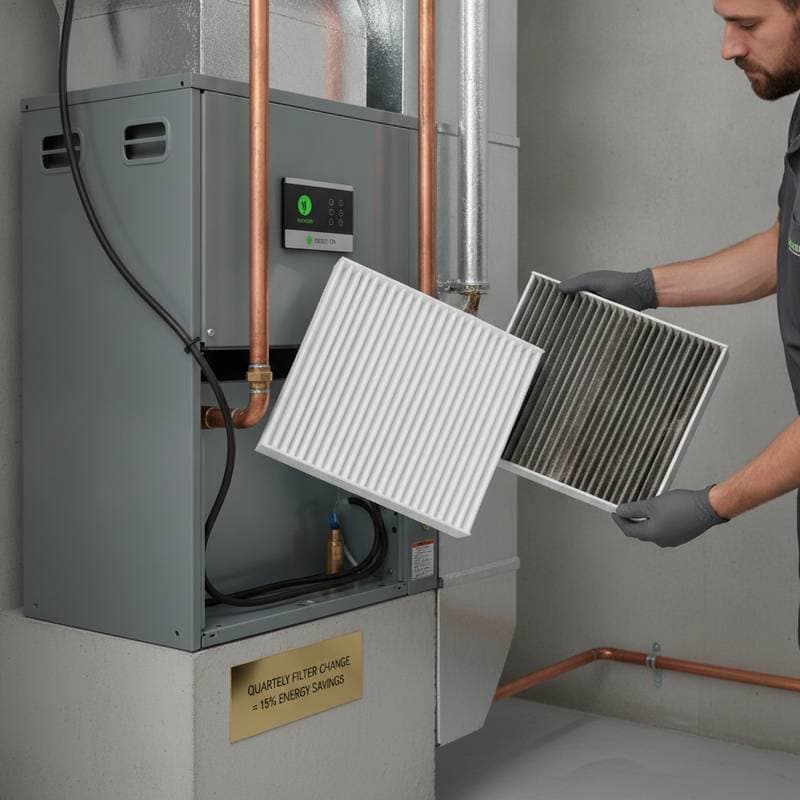
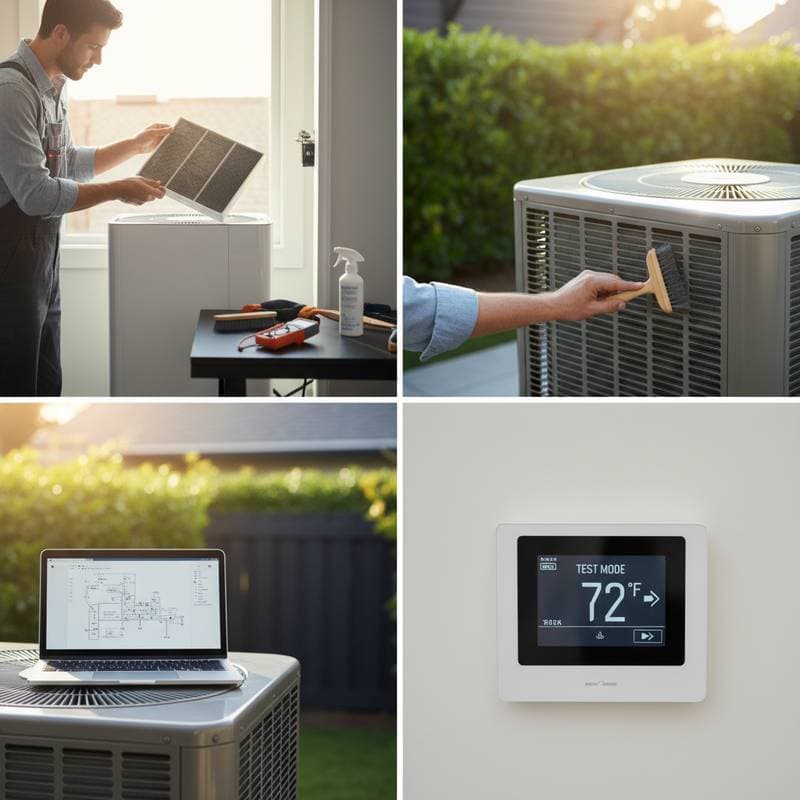
Replace or clean air filters. Clogged filters restrict airflow and force the system to work harder. Replace disposable filters every one to three months or clean reusable filters according to manufacturer instructions. Check the filter size and type in your unit's manual to select the correct replacement.
-
Inspect the outdoor condenser unit. Remove leaves, branches, and dirt from around the unit. A clear space of at least two feet allows proper ventilation. Trim nearby vegetation to prevent future blockages and ensure the unit sits on a stable, level surface.
-
Check the coil fins. Bent fins reduce efficiency. Use a fin comb to straighten them carefully without damaging the coils. Inspect for oil or grease buildup and wipe it away with a soft cloth if present.
-
Clean the evaporator and condenser coils. Dirty coils reduce the system's ability to cool air effectively. A gentle rinse with a garden hose can clear most debris. Apply a coil cleaner solution first for stubborn grime, then rinse from the inside out to avoid pushing dirt deeper.
-
Test the thermostat. Verify that it switches between heating and cooling modes smoothly. If the thermostat is outdated, consider upgrading to a programmable or smart model to better manage energy use. Calibrate it by comparing readings to an accurate thermometer and adjust as needed.
-
Inspect the condensate drain line. Algae or mold can block the line and cause moisture to back up into the system. A small amount of vinegar poured into the line can kill bacteria and keep it clear. Use a wet-dry vacuum to suck out any clogs if vinegar alone does not resolve the issue.
Professional Service Options and Pricing
For those who prefer a professional touch, seasonal AC tune-ups usually range between 75 and 200 dollars nationally. Prices vary by region, with coastal areas and high-demand urban markets trending higher. In rural regions, technicians may charge slightly less due to lower overhead costs.
Most service providers offer three levels of maintenance:
-
Basic tune-up: Includes inspection, cleaning, and refrigerant level checks. Typically costs under 100 dollars. This option suits systems that receive regular homeowner care.
-
Standard maintenance plan: Adds coil cleaning, thermostat calibration, and minor part adjustments. Usually falls between 100 and 150 dollars. It provides a thorough check for moderate-use homes.
-
Premium service: Covers full system diagnostics, refrigerant top-off, and priority scheduling. Costs can exceed 200 dollars but include extended warranties or service guarantees. Choose this for older units or high-efficiency systems.
Some HVAC companies provide annual maintenance memberships that spread the cost over monthly payments. These programs often include priority service during peak season and discounts on replacement parts. Evaluate contracts for coverage details and cancellation policies before signing.
Factors That Influence Maintenance Costs
Several variables affect how much AC preparation costs. The size of the system, accessibility of the outdoor unit, and the age of the equipment all play a part. Older units may require specialized parts that are harder to source. Systems in humid or dusty environments often need more frequent cleanings to maintain peak efficiency.
Homeowners should also account for the cost of replacement filters, coil cleaner, and minor parts like fan belts. These small expenses add up but are far cheaper than replacing a burnt-out compressor or motor. Budget for annual filter replacements, which typically cost 10 to 30 dollars each, depending on quality and size.
Avoiding Common Mistakes
A frequent mistake is skipping maintenance because the system seems to be working fine. The absence of visible problems does not mean the system is healthy. Small issues like low refrigerant or dirty coils can strain components over time and lead to breakdowns during heavy use.
Another mistake is ignoring ductwork. Leaky ducts can waste up to 30 percent of cooled air, which increases operating costs and reduces comfort. Seal visible leaks with mastic sealant or foil tape during prep.
DIY cleaning should always be done with the power switched off. Avoid using high-pressure water on coils, as it can bend fins or damage insulation. When in doubt, call a licensed HVAC technician to handle complex tasks such as refrigerant balancing or electrical inspection.
Sustaining Efficiency Through the Summer
Once the system is prepped and running efficiently, keeping it in top shape is simple. Replace filters regularly, keep outdoor units free from debris, and listen for unusual sounds that may indicate developing problems. Monitor energy bills for sudden increases, which could signal an underlying issue.
Smart homeowners treat AC preparation as part of their spring cleaning routine. A few hours of care can extend the life of the unit, lower utility bills, and prevent the frustration of unexpected breakdowns. Schedule a mid-season check if your area experiences extreme heat or heavy use.