Prepare Your AC Now: Essential Tasks Before Heat Waves
As temperatures rise, the air conditioning system emerges as a critical component of home comfort. Homeowners often delay maintenance until a heat wave reveals issues, leading to urgent repairs, elevated energy expenses, and sweltering interiors. Early preparation prevents these challenges, enhances operational efficiency, prolongs equipment lifespan, and delivers consistent cooling during peak demand.
This guide outlines primary maintenance procedures, provides cost estimates, and identifies moments to engage a professional service.
Step 1: Clean or Replace Air Filters
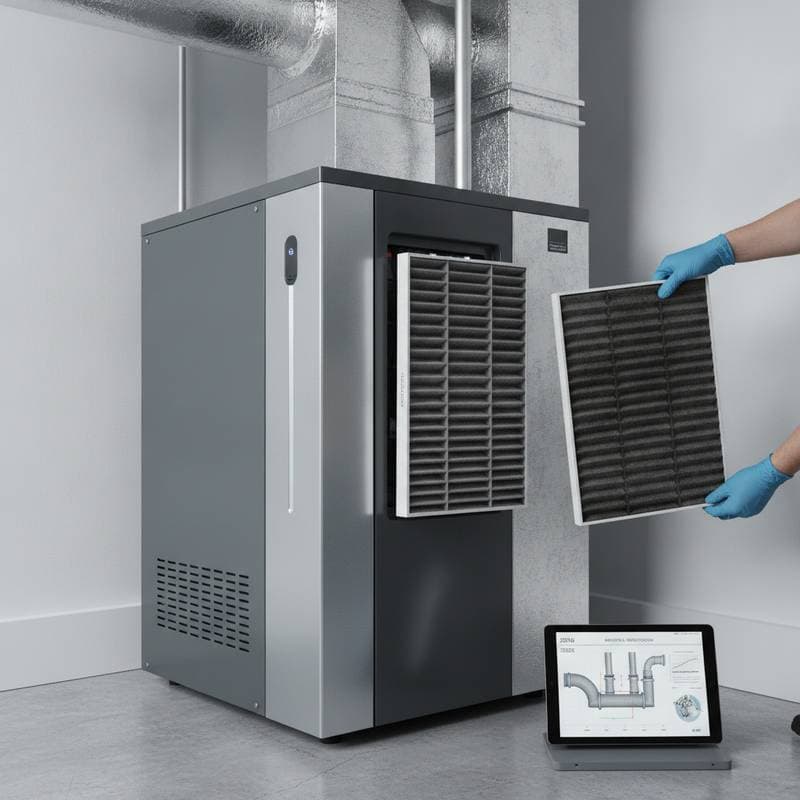
Clogged air filters represent the leading reason for diminished AC performance. Restricted airflow compels the unit to strain, which raises energy consumption and risks component damage.
How to perform the task:
- Identify the filter compartment, typically located behind the return air grille or within the air handler unit.
- Remove the existing filter and examine it against a light source. Replace it if visibility through the material proves impossible.
- Install the replacement filter, ensuring airflow arrows point toward the direction of air movement.
Cost considerations: Standard disposable filters range from ten to twenty dollars each. Reusable options require higher initial investment but endure longer with monthly cleaning.
Difficulty level: Simple. Completion requires approximately ten minutes for most individuals.
Step 2: Clear Debris from the Outdoor Unit
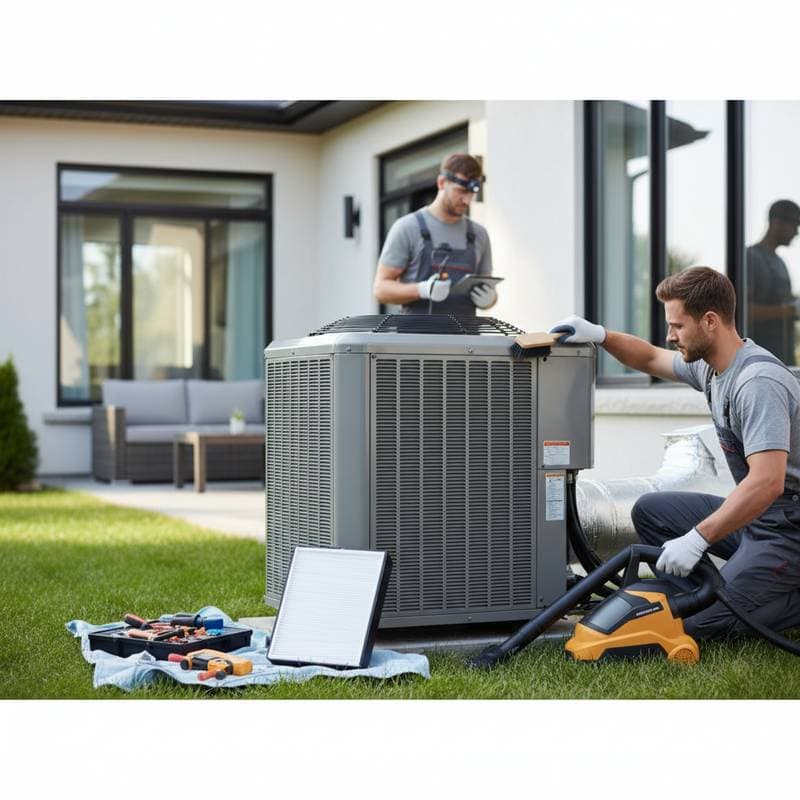
Accumulated leaves, dirt, and vegetation around the outdoor condenser unit obstruct airflow and reduce cooling capacity. Regular clearing maintains optimal heat exchange and prevents overheating.
How to perform the task:
- Turn off power to the unit at the breaker to ensure safety.
- Gently remove loose debris with a soft brush or garden hose on a low-pressure setting.
- Trim nearby shrubs or plants to maintain at least two feet of clearance around the unit.
Cost considerations: This task involves no significant expenses beyond basic tools already available in most households.
Difficulty level: Straightforward. Allow fifteen to twenty minutes, exercising caution around electrical components.
Step 3: Inspect Ductwork and Vents
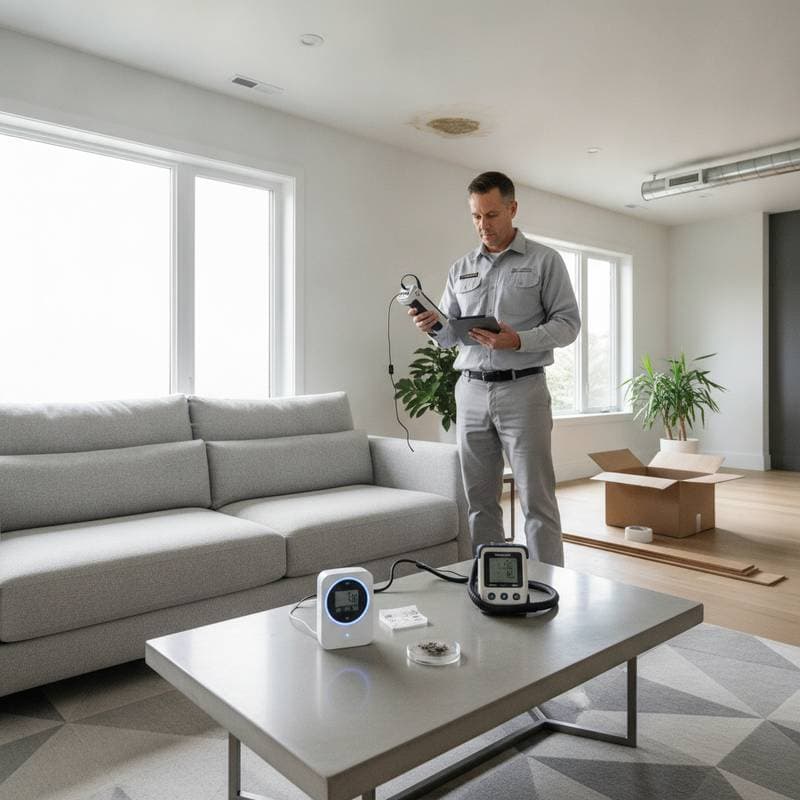
Leaks or obstructions in ductwork and vents result in lost cooled air, which inflates utility bills and uneven temperatures.
How to check:
- Inspect all room vents to ensure they remain open and unobstructed by furniture or flooring.
- Listen for hissing or whistling during operation, signals of potential air escapes.
- If ducts are visible in attics, basements, or crawl spaces, examine joints for separations or damage.
Fix options: Seal minor gaps with foil-backed mastic tape. For extensive issues, consult a specialist for comprehensive duct sealing and insulation.
Cost considerations: Materials for basic DIY repairs cost twenty to thirty dollars. Professional services vary from three hundred to one thousand dollars based on home dimensions and complexity.
Difficulty level: Moderate, influenced by access to duct locations. Professional assistance proves advisable for confined or elevated areas.
Step 4: Examine Coils and Condensate Drain
Dirty evaporator or condenser coils hinder heat absorption, while a blocked drain leads to water buildup and potential system shutdowns.
How to perform the task:
- Access the indoor evaporator coil, often near the air handler, and vacuum away visible dust using a soft brush attachment.
- For the outdoor condenser coil, rinse gently with a hose after debris removal.
- Clear the condensate drain line by pouring a vinegar-water solution through it or using a wet-dry vacuum on the drain outlet.
Cost considerations: Cleaning supplies cost under ten dollars. Deep coil cleaning by a professional ranges from one hundred to two hundred dollars.
Difficulty level: Moderate. Homeowners with basic tools can manage, though professionals handle intricate cleanings to avoid damage.
Step 5: Test System Operation
Prior to intense heat, verify the system's functionality to identify issues early.
Steps:
- Adjust the thermostat to cooling mode and set it several degrees below the current indoor temperature.
- Allow time for the unit to activate, typically a few minutes.
- Confirm cool air emerges from vents and the outdoor fan rotates without obstruction.
- Monitor for irregular sounds, excessive vibrations, or short cycling.
If airflow remains warm or the unit cycles too frequently, deactivate it immediately and seek technician evaluation.
Troubleshooting Common Issues
Uneven cooling throughout the home: Verify vent openness and duct balance. Larger properties may benefit from zoning systems or adjustable dampers to distribute air effectively.
Water accumulation near the indoor unit: A clogged condensate drain often causes this. Clearing with a vacuum or chemical cleaner resolves most instances without further intervention.
Strange odors during operation: Musty scents indicate mold growth on coils or within ducts. Prompt professional cleaning prevents health risks and further contamination.
Protect and Optimize Your AC System
Advance preparation safeguards your investment by minimizing wear during high-use periods and stabilizing energy expenditures. Systems older than ten years or prone to repeated breakdowns warrant evaluation for replacement with modern, energy-efficient alternatives. These newer models reduce electricity demands by up to thirty percent and provide quieter performance.
Schedule routine professional tune-ups annually to sustain peak condition. Such diligence ensures your home remains cool, cost-effective, and prepared for summer's demands.