Understanding the Impact of Dirty HVAC Filters
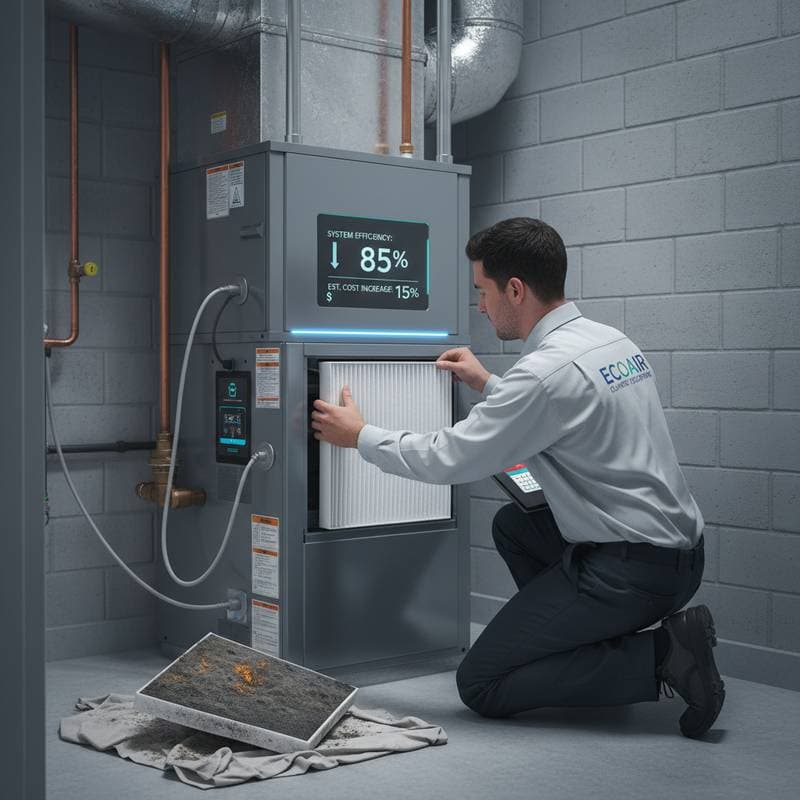
Dirty HVAC filters restrict airflow, forcing your heating and cooling system to work harder. This inefficiency can raise energy bills by as much as 15 percent, according to efficiency standards from organizations like Energy Star. Beyond costs, clogged filters diminish air quality and strain system components, leading to premature wear.
Regular maintenance addresses these issues directly. Clean filters allow unrestricted airflow, optimize temperature control, and filter out allergens and pollutants effectively. Homeowners who maintain filters diligently experience lower utility expenses, improved comfort, and extended equipment lifespan.
Fall presents an ideal time to focus on this task. As heating demands increase, a well-maintained system operates more reliably. Start by assessing your current filter condition and planning a consistent routine.
Establishing a Replacement Schedule
Determine your replacement frequency based on household factors. Homes with multiple pets or significant dust require more frequent changes to prevent rapid clogging.
- Every month: Homes with multiple pets or heavy dust accumulation.
- Every two months: Homes with one pet or mild allergies.
- Every three months: Homes without pets or respiratory sensitivities.
Mark your calendar or set reminders to maintain consistency. Some smart thermostats track filter life and send alerts automatically, eliminating guesswork.
Consider environmental influences as well. In areas with high pollen or construction nearby, shorten intervals to sustain performance. Track changes over time to refine your schedule for optimal results.
DIY Replacement Steps
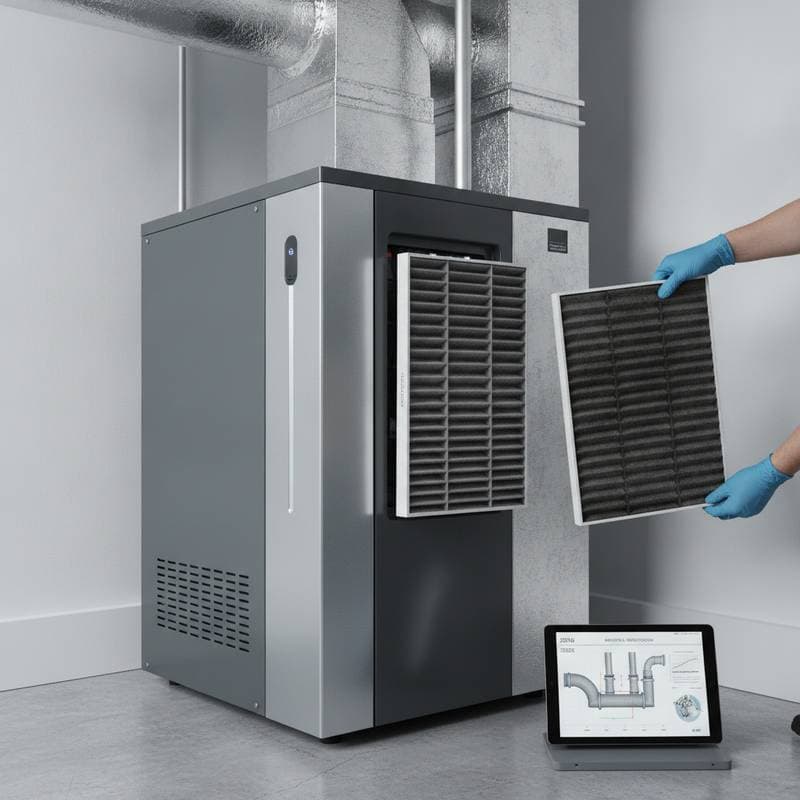
Changing an HVAC filter ranks among the easiest home maintenance activities. You require only the correct replacement filter and a few minutes of time, with no specialized tools necessary.
Follow these steps for a smooth process:
- Turn off the system. This action prevents dust circulation during the change.
- Locate the filter compartment. It typically sits behind a return air vent or within the furnace or air handler.
- Remove the old filter. Slide it out gently to minimize dust disturbance.
- Check airflow direction. Arrows on the filter frame indicate the proper orientation; align the new filter accordingly.
- Insert the new filter. Push it securely into position without bending the frame.
- Secure the cover and restart the system. Verify smooth operation and consistent airflow.
This routine yields substantial benefits. Regular replacements lead to quieter system performance, reduced breakdowns, and steadier indoor temperatures. Perform the task during low-usage periods to minimize disruption.
When to Hire a Professional
Certain scenarios demand professional intervention. If your HVAC system fails to hold temperatures despite a clean filter, underlying problems may persist. Experts can examine the blower motor, ductwork, and thermostat settings for issues.
They also clean internal components that collect dust and mold over time. Schedule professional maintenance once or twice annually to uphold efficiency and safety. Technicians assess airflow, verify refrigerant levels, and ensure compliance with manufacturer guidelines.
Such services prevent expensive repairs down the line. Look for certified technicians through local HVAC associations. Annual tune-ups often include filter inspections, providing comprehensive care.
Cost and Energy Considerations
Filter prices range considerably. Basic fiberglass options cost just a few dollars each, whereas advanced HEPA models command higher prices. Pleated filters offer a balanced choice, delivering strong filtration without excessive cost.
The investment pays off quickly. Efficient systems with proper filtration lower heating and cooling expenses substantially, per Energy Star data. These savings often offset maintenance costs entirely over time.
Regular care prolongs equipment life, postponing major replacements. Calculate potential savings by reviewing past bills; a 15 percent reduction translates to noticeable annual gains. Select filters rated for your system's minimum efficiency reporting value to maximize returns.
Improving Indoor Air Quality Beyond Filters
Filters form one element of effective air quality management. Integrate additional practices to achieve comprehensive results:
- Vacuum regularly with a HEPA-equipped machine to minimize dust accumulation.
- Use exhaust fans in kitchens and bathrooms to expel moisture and odors.
- Seal duct leaks to block unfiltered air entry.
- Add air purifiers in high-traffic areas for enhanced protection.
- Control humidity levels using dehumidifiers or humidifiers as required.
These measures complement filter maintenance, ensuring fresh air year-round. Monitor air quality with inexpensive sensors to gauge improvements. Adjust habits seasonally to counter outdoor influences like pollen or smoke.
Common Mistakes to Avoid
Even careful homeowners encounter errors that compromise efficiency. Steer clear of these pitfalls:
- Using the wrong size filter. Match dimensions precisely as indicated on your system.
- Skipping inspections. Filters may look clean yet harbor fine particles.
- Stacking filters. Multiple layers impede airflow and overburden the blower.
- Neglecting vents and returns. Obstructions undermine clean filters.
Conduct visual checks monthly, even outside replacement times. Clean surrounding areas to support overall system health. Addressing these issues early preserves performance and avoids strain.
Pro Tips for Success
Communities like Reddit's r/HomeImprovement share valuable insights on filter care. Seasoned DIY enthusiasts advise noting the installation date on the filter frame for easy tracking. Maintain a log near the furnace to document changes and observations.
HVAC experts on platforms like LinkedIn suggest purchasing filters in bulk during sales for cost savings and readiness. Store them in a flat, dry location to avoid damage. Tie reminders to utility bill cycles to ensure timely action.
Experiment with filter types to find the best fit for your needs. Test airflow after installation using a simple tissue test at vents. These strategies build reliable habits without complex tools.
Sustaining Long-Term Benefits
Clean filters safeguard your HVAC investment while promoting health and comfort. They reduce mechanical stress, maintain pure air, and curb expenses across seasons. A monthly inspection routine delivers these advantages with minimal effort.
Incorporate filter care into your fall preparations. Dedicate a few minutes regularly to secure an efficient system, reduced bills, and invigorating indoor spaces. Your home benefits from this proactive approach, fostering lasting reliability.