Bathroom Remodels That Deliver Up to 70% ROI in 2025
Bathroom remodels stand out as a proven method to elevate home value and foster a more practical, serene environment. In 2025, homeowners prioritize efficiency, longevity, and contemporary ease. Effective remodels extend beyond surface updates like new tile or fresh paint. They enhance resale potential, boost energy savings, and minimize ongoing upkeep. For those preparing to sell or intending to remain in the home, targeted renovations yield substantial returns on investment.
Factors Influencing Bathroom Remodel Returns
The return on investment for a bathroom remodel hinges on the project's scope, material standards, and local buyer tastes. Smaller-scale changes, such as updating fixtures or refinishing surfaces, typically recover 60 to 70 percent of costs at sale due to their affordability and visible impact. Comprehensive overhauls recoup a lower percentage yet often command premium prices and accelerate sales.
Remodeling Magazine's annual survey indicates that midrange bathroom renovations recover 55 to 70 percent of expenses. Real estate professionals note that properties featuring refreshed bathrooms capture superior online images and generate increased viewings. Prospective buyers scrutinize elements like pristine grout, premium finishes, and contemporary illumination. Such details influence their assessment of the property's overall care.
Incorporating Energy Efficiency and Smart Features
Energy-conserving elements have become essential in modern renovations. Today's buyers seek water-efficient fixtures, energy-saving LED lights, and intelligent controls. These additions trim monthly bills and demonstrate commitment to eco-friendly practices. Install dual-flush toilets, low-flow showerheads, and touchless faucets to cut water consumption by as much as 30 percent while preserving user satisfaction. Consider radiant floor heating and warming towel bars for added indulgence, directing warmth precisely where needed.
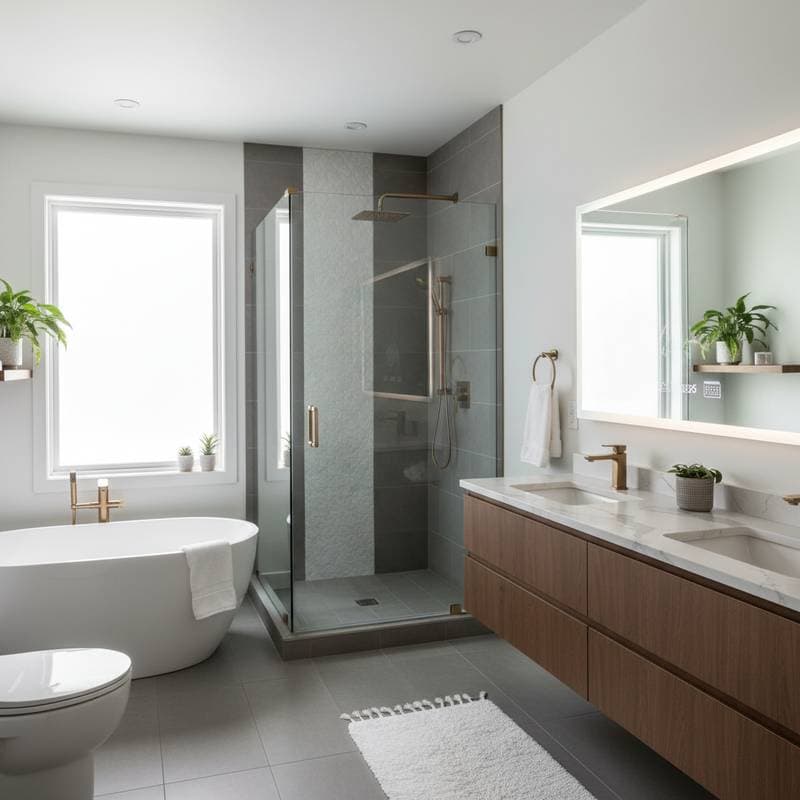
Smart mirrors equipped with integrated lights and anti-fog capabilities gain traction for their streamlined aesthetic and reduced vanity clutter. Integrate voice-controlled lights or moisture-detecting sensors, particularly in upscale projects. These innovations simplify routines and resonate with technology-oriented purchasers who prioritize ease.
Selecting Materials for Lasting Value
Choices in materials significantly affect both expenses and resale outcomes. Porcelain tiles lead as the preferred option for floors and walls, offering resilience against wear, resistance to humidity, and versatility in patterns. Opt for oversized tiles with reduced grout seams to expand the perceived size of the space and simplify maintenance. Quartz surfaces provide excellent returns through their elegant appearance, ease of care, and stain resistance. For a more organic vibe, select marble or granite, keeping in mind their higher upkeep demands.
Choose solid wood or premium plywood for cabinet bases over lower-grade composites for superior durability. Incorporate soft-closing mechanisms, concealed compartments, and wall-hung vanities, which align with current styles for a fluid, uncluttered look. A suspended vanity further amplifies the sense of openness, ideal for modest-sized bathrooms.
Choosing Color Schemes to Attract Buyers
Neutral palettes persist as the foundation for broad appeal, conveying cleanliness and flexibility. Opt for tones in white, soft beige, or light gray as reliable selections, enhanced by warm accents from wood elements or satin-finish black hardware. Designers advocate blending textures over vibrant hues for subtle intrigue. Combine sleek quartz tops with textured matte tiles to add dimension without dominating the area.
Houzz research reveals that bathrooms finished in bright, organic materials draw greater buyer attention. Neutral bases enable future owners to envision personal touches. For subtle emphasis, apply a feature wall at the vanity or an accent tile inset in the shower enclosure.
Optimizing Layout and Space Usage
Refining the layout ranks among the most effective value-adding strategies. Compact bathrooms transform into opulent retreats through thoughtful design. Swap a cumbersome bathtub for an expansive curbless shower to reclaim area and introduce sleek sophistication. Frameless glass surrounds permit light to flow freely, enhancing the premium feel.
In tighter spaces, install sliding pocket doors, suspended toilets, and built-in niches to reclaim floor area and streamline cleaning. Functional enhancements often outperform purely cosmetic ones in return potential. Buyers value configurations that expedite daily tasks and promote comfort.
Balancing DIY Efforts with Professional Expertise
The choice between self-directed work and contractor involvement rests on personal expertise and project demands. Tackle straightforward tasks like painting, fixture swaps, or accessory installations independently. Reserve plumbing alterations, electrical modifications, and load-bearing adjustments for certified specialists. Errors in these domains lead to expensive repairs and diminished returns.
Experienced remodelers provide knowledge in moisture barriers, regulatory adherence, and aesthetic harmony. They manage permitting processes and procure supplies at discounted rates. Many homeowners achieve optimal results by pairing personal finishing touches with expert core installations.
Strategies for Budget Management and Expense Oversight
Expenses for bathroom renovations fluctuate based on selections, workforce, and room dimensions. Develop a comprehensive blueprint to control spending. Allocate funds across key areas: plumbing systems, sanitary ware, surface coverings, storage units, and illumination. Reserve 10 to 15 percent for unforeseen challenges, such as concealed leaks or obsolete circuits.
Insights from online communities like Reddit's HomeImprovement forum suggest that selecting moderate-grade materials and preserving the existing footprint yields the greatest savings without sacrificing refinement. Participants report lower costs per square foot alongside polished, market-competitive finishes. Maintain open dialogue with service providers to avert overruns. Secure detailed quotes in writing and evaluate bids from no fewer than three sources prior to commencement.
Integrating Safety and Accessibility Elements
Incorporate safety and universal design features to heighten usability and enduring worth. Install support rails, anti-slip surfaces, and barrier-free showers to serve seniors and households with infants. Blend these seamlessly into contemporary aesthetics. A recessed shower seat doubles as a luxurious perch while fulfilling utilitarian needs. Select textured porcelain, patterned vinyl, or rough-hewn stone for footing stability without aesthetic compromise.
Adequate airflow remains vital for hazard prevention. Upgrade to exhaust systems with dampness detection to inhibit mildew and safeguard surfaces from humidity. Such improvements prolong material lifespan and curb repair needs.
Understanding Market Dynamics and Buyer Mindsets
In select regions, bathrooms sway buying choices more than kitchens. Agents observe that viewers inspect bathrooms for surface integrity, light quality, and organizational solutions. A pristine, current bathroom implies meticulous property stewardship. Even without imminent sale plans, periodic updates shield against value erosion in volatile markets.
Industry commentators recommend enduring styles over transient fads. Steer clear of bespoke or labor-intensive selections that may alienate prospects. Prioritize renovations that retain freshness with minimal effort to sustain optimal returns.
Preserving and Extending Remodel Benefits
Post-renovation care safeguards the investment's integrity. Apply sealant to grout yearly, use mild cleaners on glass panels, and monitor caulking for deterioration. Service air filters routinely and examine pipes for seepage.
For near-term sales, retain documentation including invoices, approvals, and guarantees. Buyers value evidence of professional execution. Through emphasis on sustainability, innovation, and classic appeal, craft bathrooms that exude elegance and generate tangible financial gains. Meticulous preparation, superior components, and diligent upkeep maximize every expenditure's contribution to sustained appreciation.