Rising Basement Waterproofing Costs in 2025: Essential Insights for Homeowners
Homeowners embarking on basement projects encounter elevated expenses for waterproofing in 2025. Both interior and exterior systems reflect increases driven by labor shortages, fluctuating material prices, and growing demand for effective moisture management. These shifts transform routine upgrades into decisions that demand precise budgeting and informed strategies. Grasping the underlying factors empowers homeowners to navigate costs effectively and sidestep unexpected financial burdens.
Key Factors Fueling the Cost Surge
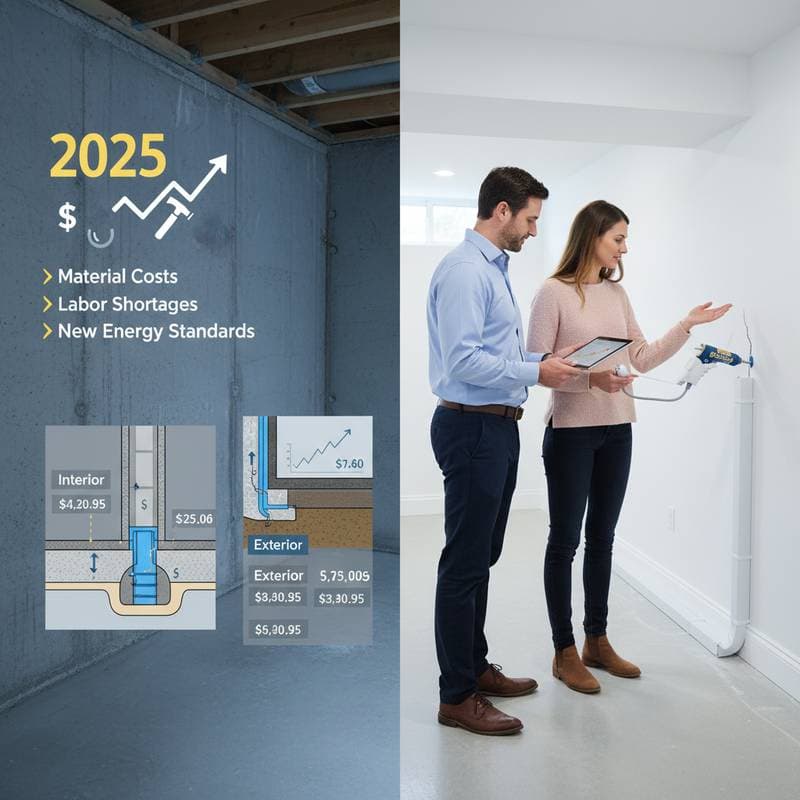
Multiple elements contribute to the evolving expense profile of basement waterproofing. Material costs have escalated notably, affecting essentials such as concrete sealants, vapor barriers, sump pumps, and drainage channels. Labor rates follow suit, with experienced contractors managing heightened demand against constrained supply. Waterproofing firms indicate that projects demand extended timelines and meticulous planning, particularly for aging foundations or intricate drainage configurations.
Regulatory shifts toward energy efficiency further impact pricing. Homeowners increasingly opt for systems that mitigate humidity and enhance air quality, elevating initial outlays while fostering healthier indoor spaces. These advancements align with broader sustainability goals, justifying the added investment for long-term benefits.
Breakdown of Costs by Waterproofing Approach
Expenses for basement waterproofing differ based on geographic location, foundation condition, and the extent of moisture intrusion. Interior methods generally prove more budget-friendly compared to exterior alternatives. The following outlines typical ranges for prevalent techniques:
- Interior Sealing and Crack Repairs: This entry-level choice targets minor leaks through epoxy injections or surface sealants. Costs typically span $300 to $1,500, depending on the number and size of cracks.
- Interior Drainage Systems: These setups channel water along basement floors toward a sump pump. Installation fees range from $2,000 to $6,000, influenced by basement dimensions and concrete depth.
- Exterior Excavation and Foundation Sealing: The most thorough option requires perimeter digging, foundation coating, and drainage tile placement. Prices often fall between $10,000 and $30,000 or more, varying with home size and soil conditions, yet this method delivers enduring structural safeguards.
Industry data from contractor associations suggests that comprehensive projects average $5,000 to $15,000 nationwide, with urban areas commanding premiums due to access challenges.
Weighing DIY Options Against Professional Services
For slight seepage or isolated cracks, some homeowners explore do-it-yourself remedies like sealants or patch kits. Such approaches offer temporary relief but seldom address root causes, such as poor grading or clogged gutters. Professionals excel at detecting concealed entry points, deploying robust sump systems, and routing moisture away from foundational elements.
Insights from online communities highlight how expert installations avert mold proliferation and foundational erosion. Despite higher initial expenditures, these interventions yield savings through diminished repair needs and preserved property equity. Homeowners benefit from warranties and compliance with local building codes, ensuring reliability.
Unlocking Lasting Benefits from Waterproofing Investments
Beyond dryness, waterproofing shields flooring, insulation, and belongings from water harm. It averts foundational weakening that threatens overall home stability. Real estate experts note that properties featuring verified waterproofing attract quicker sales and command elevated values, often recouping 70 to 100 percent of costs upon resale.
Enhancements like interior drainage and sealing also curb humidity, elevating air quality and comfort in finished basements. For remodels converting storage areas into livable spaces, a solid waterproofing foundation precedes aesthetic upgrades, preventing future disruptions.
Strategies for Sustaining Waterproofing Effectiveness
Post-installation vigilance sustains system performance. Test sump pumps quarterly to verify functionality and clear debris from intake areas. Examine walls for emerging cracks or discoloration following storms, addressing issues promptly with sealant reapplications.
Routine tasks include flushing drainage lines annually and adhering to manufacturer guidelines for filter changes or seal inspections. Proper ventilation and dehumidifier use complement these efforts, prolonging system durability and minimizing ongoing expenses. Through proactive measures, homeowners secure a resilient foundation and enhanced home worth for decades ahead.