Prevent AC Breakdowns: Essential Summer Prep for 2025
A hot summer can test any air conditioner. When temperatures climb, an unprepared cooling system may fail at the worst possible moment. The solution lies in proactive steps that ensure reliable operation and avoid expensive disruptions. This guide outlines key checks for homeowners to perform before peak heat arrives.
Why AC Maintenance Matters
Regular maintenance enhances performance and reduces energy consumption. A well-maintained system cools spaces more efficiently and operates with minimal power loss. Such care extends the unit's lifespan and prevents unexpected breakdowns that require costly interventions. Studies indicate that a properly tuned air conditioner uses up to 30 percent less energy than a neglected counterpart, resulting in noticeable reductions on utility statements and consistent indoor comfort.
The Ultimate AC Maintenance Checklist
Prepare your cooling system with this comprehensive checklist. Complete these actions before relying on the unit for extended periods during warmer months.
-
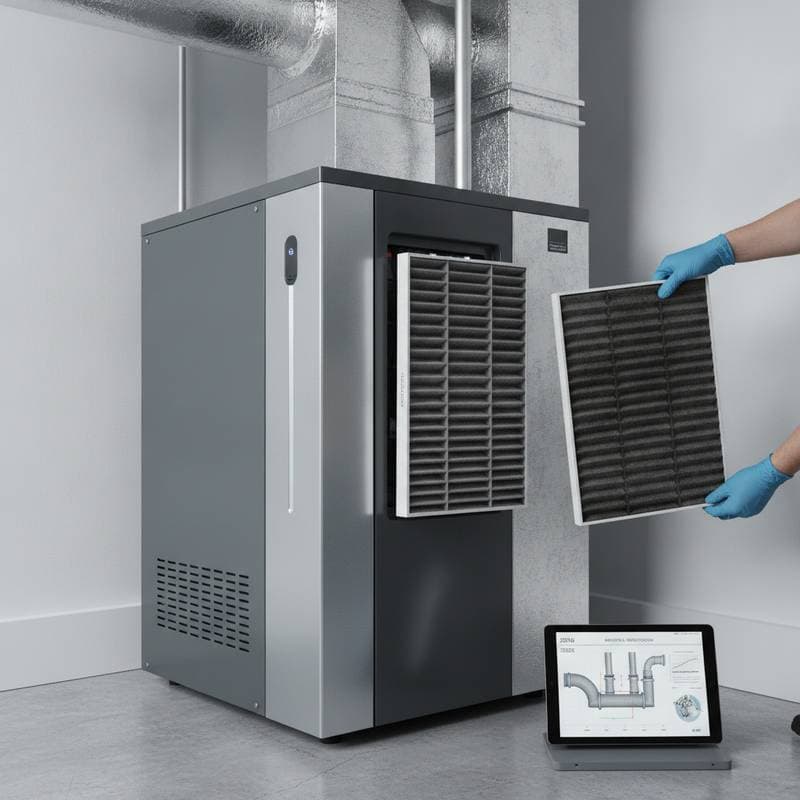
Inspect and Replace Filters
Clogged filters restrict airflow, compelling the system to strain and consume excess energy. Examine filters for dust accumulation and replace disposable types or clean reusable ones thoroughly. In homes with high usage, install fresh filters every one to three months to maintain optimal efficiency. -
Clean the Outdoor Condenser Unit
The outdoor unit draws air across delicate metal fins, which often collect dirt, leaves, and debris. Disconnect power at the breaker, clear away obstructions by hand, and rinse the coils with a gentle stream from a garden hose. Straighten any bent fins using a fin comb, but steer clear of high-pressure sprays that could damage components or electrical connections. -
Check the Thermostat Settings
Verify that the thermostat functions accurately and displays the correct readings. Switch to cooling mode and observe if the system responds promptly. Consider upgrading to a programmable or smart thermostat, which optimizes settings based on occupancy patterns to further conserve energy. -
Clear the Drain Line
Blockages in the condensate drain can lead to water leaks that damage interiors. Locate the drain line near the indoor evaporator coil and use a stiff brush or wet/dry vacuum to dislodge algae and sediment. Pour a mild vinegar solution through the line afterward to prevent future buildup. -
Inspect Electrical Connections
Frayed wires or loose terminals pose risks of electrical faults. With power shut off, visually scan for signs of corrosion, burn marks, or disconnection. Tighten any loose components if comfortable, but engage a qualified electrician for any observed irregularities. -
Lubricate Moving Parts
Fans and motors in older units require periodic oiling to minimize wear. Consult the owner's manual to identify lubrication points and use the recommended SAE-grade oil. Apply sparingly to avoid over-saturation, which could attract additional dirt. -
Test System Performance
Once maintenance is complete, operate the unit for 10 to 15 minutes. Monitor for unusual vibrations, listen for irregular noises, and measure airflow and temperature drop at the vents. Ideal output should deliver air at least 15 degrees Fahrenheit cooler than the intake.
Safety Precautions Before Starting
Prioritize safety by switching off electricity at the main breaker before accessing any parts. Wear protective gloves and safety glasses when handling sharp fins or debris. Select cleaning agents specifically formulated for HVAC equipment to prevent corrosion. Refrain from tampering with refrigerant lines, as handling these substances demands certification and specialized tools.
Professional Tune-Up: When to Call for Help
Certain diagnostics exceed typical homeowner capabilities. Professionals employ gauges to assess refrigerant charge, evaluate compressor integrity, and calibrate controls for precise operation. Book an appointment if airflow diminishes, cooling varies by room, or musty smells emerge from ducts. Seasonal service plans from reputable providers often encompass thorough inspections, priority scheduling, and discounted follow-ups.
Common Signs of Trouble
Recognize indicators of impending issues to act swiftly. Vents emitting lukewarm air, short cycling on and off, or persistent indoor humidity point to inefficiencies requiring attention. Grinding sounds may signal bearing failure, while hissing noises could indicate refrigerant leaks. Prompt intervention averts escalation to complete system outages during heat waves.
Cost and Energy Savings Overview
Suggested image: A bar chart illustrating annual maintenance expenses against the average cost of emergency AC repairs.
Alt text: Visual comparison of preventive maintenance costs versus emergency repair bills.
Investing in routine upkeep typically amounts to one-fifth the price of major overhauls. This approach not only sustains efficiency but also delivers long-term financial benefits through reduced energy demands. Homeowners report reclaiming comfort without the stress of unplanned service calls on scorching days.
Insights from Homeowner Experiences
Participants in online HVAC communities frequently describe marked improvements after routine cleanings and inspections. Systems respond quicker, operate with less noise, and maintain even temperatures throughout the home. Service experts from established firms confirm that over 70 percent of seasonal failures stem from deferred maintenance, underscoring the value of diligence.
Sustaining Performance Through the Season
After initial preparation, integrate ongoing habits to preserve peak condition. Perform quick monthly inspections, such as dusting registers and ensuring clear space around the indoor handler. Keep landscaping trimmed away from the outdoor unit to facilitate unobstructed airflow. Maintain a maintenance journal to log activities, performance metrics, and upcoming service reminders, fostering accountability and foresight.
Achieve Reliable Cooling Year After Year
Implementing these strategies equips your air conditioner to handle summer demands effectively. Enjoy lower energy costs, enhanced durability, and uninterrupted comfort as temperatures soar. Proactive care transforms potential vulnerabilities into strengths, ensuring your home remains a cool sanctuary.