Essential AC Maintenance Tasks
Preventing air conditioning breakdowns requires consistent attention to key maintenance tasks. These steps enhance efficiency, ensure reliability, and extend the lifespan of the system. Homeowners can perform many of these tasks themselves, while others benefit from professional expertise.
1. Replace or Clean Air Filters Regularly
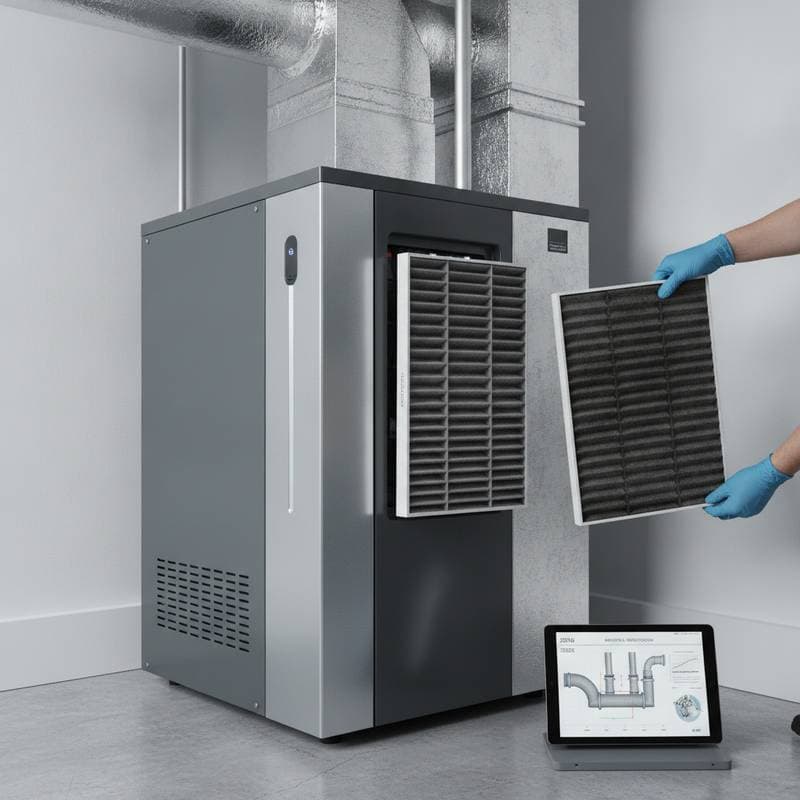
Clogged air filters restrict airflow, compel the system to operate harder, and elevate energy consumption. For disposable filters, replacement every one to three months aligns with typical dust accumulation and the presence of pets. Washable filters require cleaning on a similar schedule using mild soap and water. A clean filter improves energy efficiency by up to fifteen percent, resulting in lower utility bills and better indoor air quality.
2. Inspect Condenser and Evaporator Coils
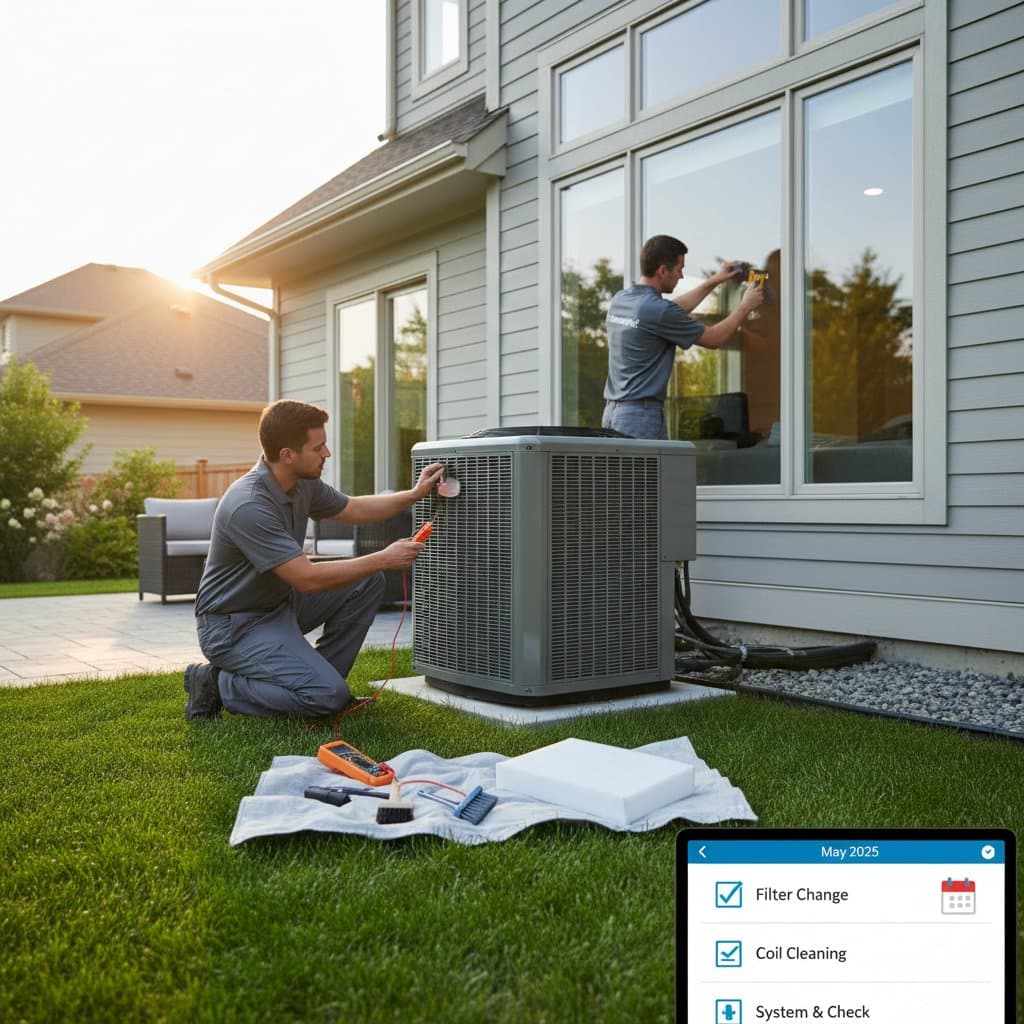
Dust, pollen, and grime accumulate on condenser and evaporator coils throughout the year, trapping heat and diminishing cooling capacity. Schedule cleaning once or twice per season to restore optimal performance. Before starting, turn off the power to the unit and apply a soft brush or specialized coil cleaner spray, allowing time for the solution to penetrate before rinsing gently with a hose.
3. Clear the Condensate Drain Line
The condensate drain line expels moisture gathered during the cooling process. Blockages lead to water backups, potential leaks, and mold growth inside the unit. Flush the line annually with a solution of one part vinegar to ten parts water, using a wet-dry vacuum to remove stubborn debris. Professional technicians incorporate this check during routine service calls to prevent overflow issues.
4. Check Thermostat Calibration
An inaccurately calibrated thermostat produces temperature fluctuations and unnecessary energy expenditure. Test the device by comparing its reading to a separate thermometer and ensuring it adjusts settings without delay. For smart thermostats, update the firmware and verify Wi-Fi connectivity to enable remote adjustments and energy-saving schedules.
5. Examine Electrical Components
Loose wiring, corroded contacts, or degraded capacitors pose risks of unexpected system failures. Visually inspect connections for signs of wear and tighten them securely with appropriate tools. Professionals employ multimeters and voltage testers to measure electrical flow and confirm that all components function within manufacturer-specified limits.
6. Lubricate Moving Parts
Motors, fans, and bearings in the AC unit demand regular lubrication to minimize friction and prevent premature wear. Insufficient lubrication generates excessive noise and accelerates component deterioration. Apply a few drops of manufacturer-recommended, non-detergent oil to designated ports, following the equipment manual for precise locations and quantities.
7. Clean and Straighten Fins
The delicate metal fins on condenser and evaporator units facilitate heat dissipation and airflow. Bent or dirty fins obstruct efficiency, leading to higher operating temperatures. Gently straighten damaged fins with a fin comb tool, and clear surrounding areas of vegetation, debris, and obstructions to promote unrestricted air circulation.
8. Test System Performance
Following maintenance, activate a complete cooling cycle to evaluate overall functionality. Monitor for consistent temperature output, strong airflow from vents, and absence of irregular sounds or vibrations. Persistent issues, such as uneven cooling or reduced air pressure, indicate underlying problems that warrant a professional diagnostic.
Understanding AC Maintenance Costs
Budgeting for AC maintenance involves balancing DIY efforts with professional services. Basic tasks like filter replacement cost under twenty dollars in materials, while a comprehensive tune-up from a certified technician ranges from seventy-five to two hundred dollars, depending on location and system complexity. Annual contracts, often priced at one hundred fifty to three hundred dollars, provide scheduled visits and priority service during peak demand, ultimately saving money by averting emergency repairs that can exceed one thousand dollars.
Factors influencing costs include unit age, accessibility, and regional labor rates. Older systems may require additional part replacements, increasing expenses. Homeowners in humid climates face higher maintenance needs due to frequent mold risks, potentially adding twenty to fifty dollars per visit for specialized treatments.
Optimal Timing for Seasonal Servicing
Spring emerges as the prime period for AC maintenance, allowing preparation well before summer heat arrives. Early servicing reduces technician backlogs and unlocks promotional discounts from service providers. In regions with mild winters, perform checks in late March or early April to align with rising temperatures.
For warmer climates, incorporate a mid-season inspection in July to address wear from continuous operation. This approach maintains peak efficiency and prevents efficiency drops of up to twenty percent from accumulated summer dust. Delaying until peak season results in extended wait times, sometimes weeks, and premium pricing due to high demand.
Evaluating and Selecting Service Providers
Choosing a reliable AC service provider ensures quality work and long-term system health. Prioritize companies with technicians certified by organizations such as NATE or EPA, verifying compliance with safety and environmental standards. Review customer feedback on platforms like the Better Business Bureau or local directories to gauge punctuality and problem-solving effectiveness.
Request detailed proposals outlining labor, parts, and any add-on services to facilitate transparent comparisons. Obtain quotes from at least three providers to establish fair market rates in your area. Reputable firms often include warranties on workmanship, free consultations, or follow-up inspections within thirty days at no extra charge.
Avoiding Pitfalls in AC Upkeep
Overlooking routine checks invites costly complications. One frequent error involves neglecting outdoor unit clearance; ensure at least two feet of space around the condenser to avoid overheating. Another mistake occurs when homeowners skip professional inspections, missing subtle issues like refrigerant leaks that escalate into major repairs.
Improper cleaning techniques, such as using high-pressure water on coils, can damage components and void warranties. Resist the temptation to ignore minor noises or reduced airflow, as these symptoms often precede complete failures. Document all maintenance activities in a log to track patterns and support warranty claims if needed.
Steps to Secure Summer Comfort
Implement these maintenance strategies to enjoy reliable cooling without interruptions. Schedule your spring service promptly and maintain a checklist for monthly DIY tasks. By investing time and resources now, homeowners achieve lower energy costs, improved air quality, and peace of mind throughout the hottest months.