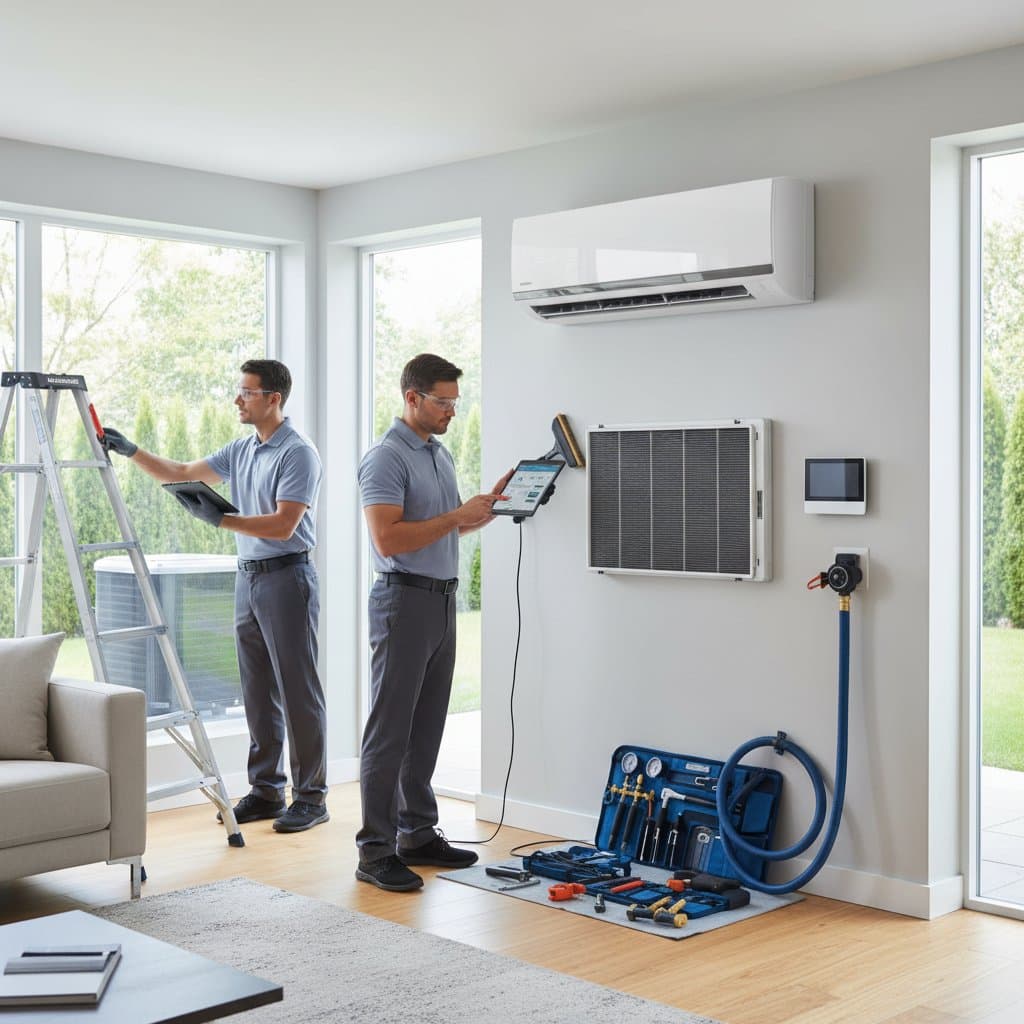
AC Maintenance Before Summer Saves You 15% on Energy Bills
Summer approaches with its promise of warmth, yet it often brings higher energy costs and unexpected AC breakdowns. Preparing your air conditioning system now ensures reliable cooling and significant savings. Studies show that routine maintenance can reduce energy consumption by up to 15 percent, keeping your home comfortable without inflating bills.
This guide details essential steps to ready your AC for the season. From simple DIY tasks to professional services, you gain practical advice backed by efficiency principles. Follow these recommendations to avoid costly repairs and enjoy a cooler, more efficient summer in 2025.
Why Summer AC Maintenance Matters
An air conditioner works hardest during peak heat, straining components if neglected. Dust buildup, refrigerant leaks, and worn parts lead to inefficiency and higher electricity use. Early maintenance addresses these issues, extending unit lifespan and preventing emergency calls.
Efficiency gains come from optimized airflow and proper refrigerant levels. A well-maintained system cycles air more effectively, reducing runtime and energy draw. Homeowners who service units before summer report fewer malfunctions and bills that stay predictable.
Beyond savings, maintenance improves indoor air quality. Clean filters and coils trap allergens, fostering a healthier environment. Invest time now to reap benefits throughout the season.
Essential Maintenance Checklist
Start with these core tasks to prepare your AC. Perform them in early spring for optimal results.
- Replace or clean air filters: Inspect monthly; swap out dirty ones to maintain airflow and efficiency.
- Clear debris around the outdoor unit: Remove leaves, dirt, and vegetation within two feet to ensure proper ventilation.
- Check thermostat settings: Set to energy-saving modes, like 78 degrees Fahrenheit when away, for automatic savings.
- Inspect ductwork for leaks: Seal visible gaps with mastic or foil tape to prevent cool air loss.
- Schedule a professional tune-up: Hire a technician for a full system diagnostic and cleaning.
- Test drainage lines: Flush condensate drains to avoid water backups and mold growth.
These steps form the foundation of a summer-ready AC. Dedicate a weekend to DIY items, then book pros for complex checks.
Step-by-Step DIY Maintenance Guide
1. Air Filter Replacement
Filters capture dust and particles, but they clog quickly in dusty environments. A dirty filter forces the blower to work harder, increasing energy use by 5 to 15 percent.
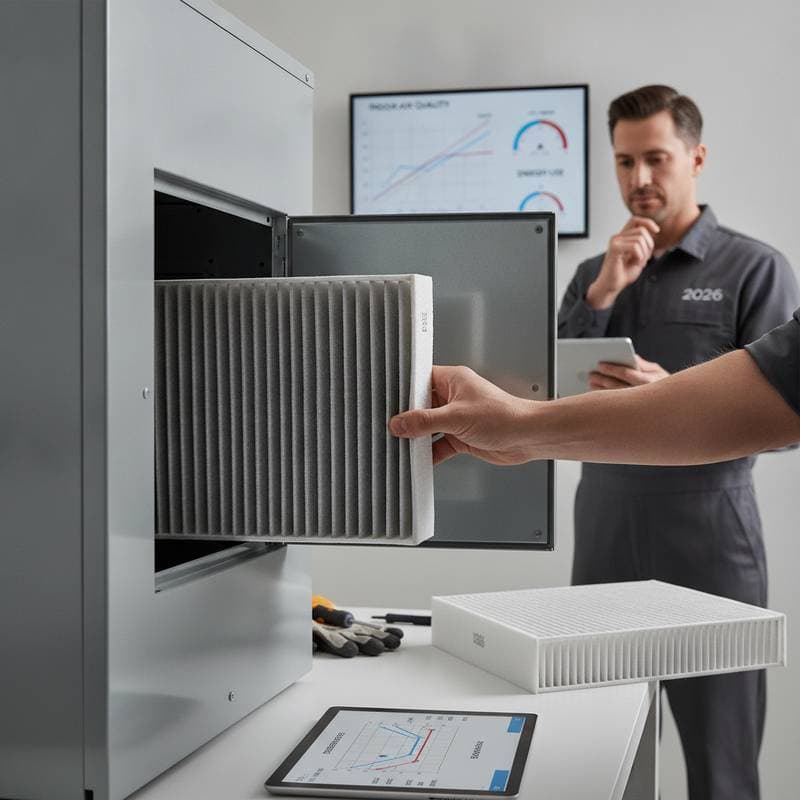
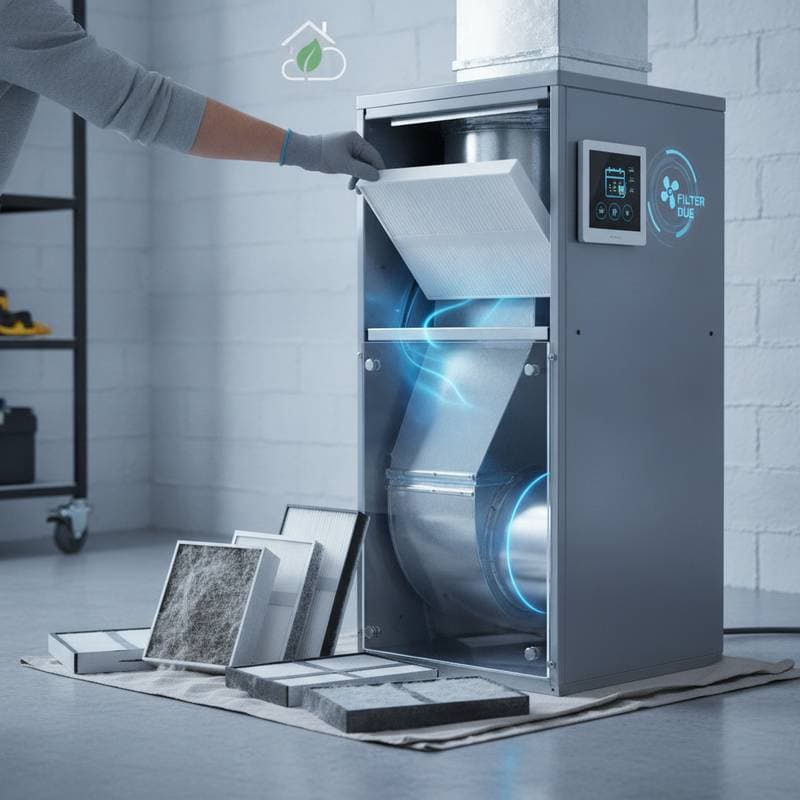
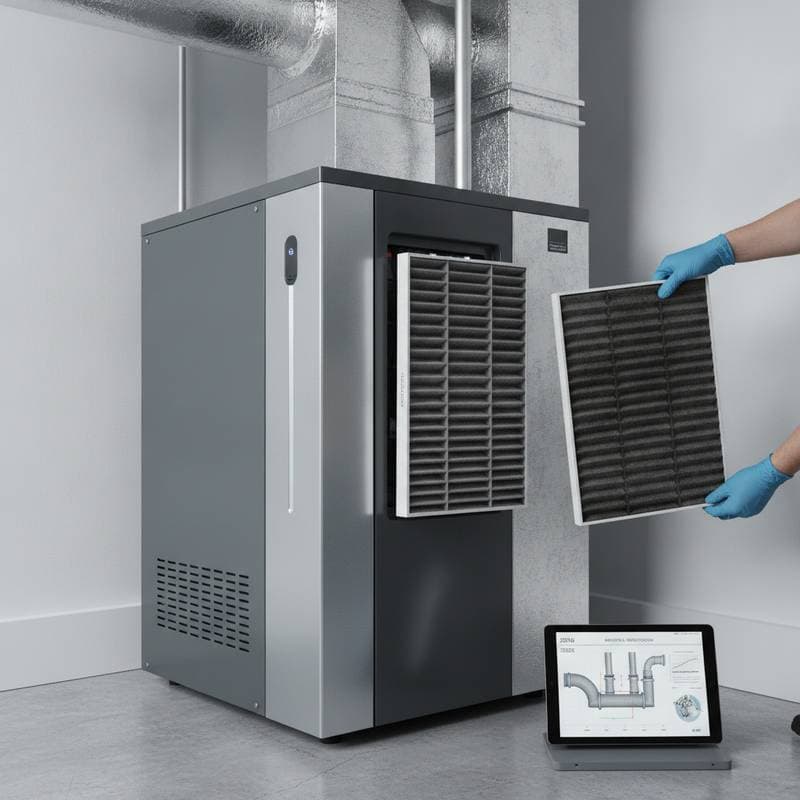
Turn off the AC at the thermostat and breaker. Locate the filter in the return air duct or furnace cabinet. Slide out the old one, note the airflow direction arrow, and insert a new filter matching the size. Pleated filters with a MERV rating of 8 to 13 balance filtration and airflow. Expect to spend $10 to $20 per filter, replaced every one to three months.
2. Cleaning the Outdoor Condenser Unit
The condenser releases heat from your home. Blockages reduce heat dissipation, making the system less efficient.
Power off the unit at the disconnect box. Use a garden hose with a spray nozzle to rinse coils gently from inside out. Avoid high pressure to prevent fin damage. Straighten bent fins with a fin comb if needed. This task takes 30 minutes and costs nothing beyond water.
3. Thermostat Calibration and Programming
A faulty thermostat misreads temperatures, causing overcooling. Modern programmable models adjust automatically for savings.
Check batteries and clean contacts. If upgrading, select a smart thermostat compatible with your system. Program it to raise temperatures by 7 to 10 degrees when unoccupied. This simple adjustment can cut bills by 10 percent without sacrificing comfort.
4. Duct Inspection and Sealing
Leaky ducts waste up to 30 percent of cooled air. Focus on accessible joints in attics or basements.
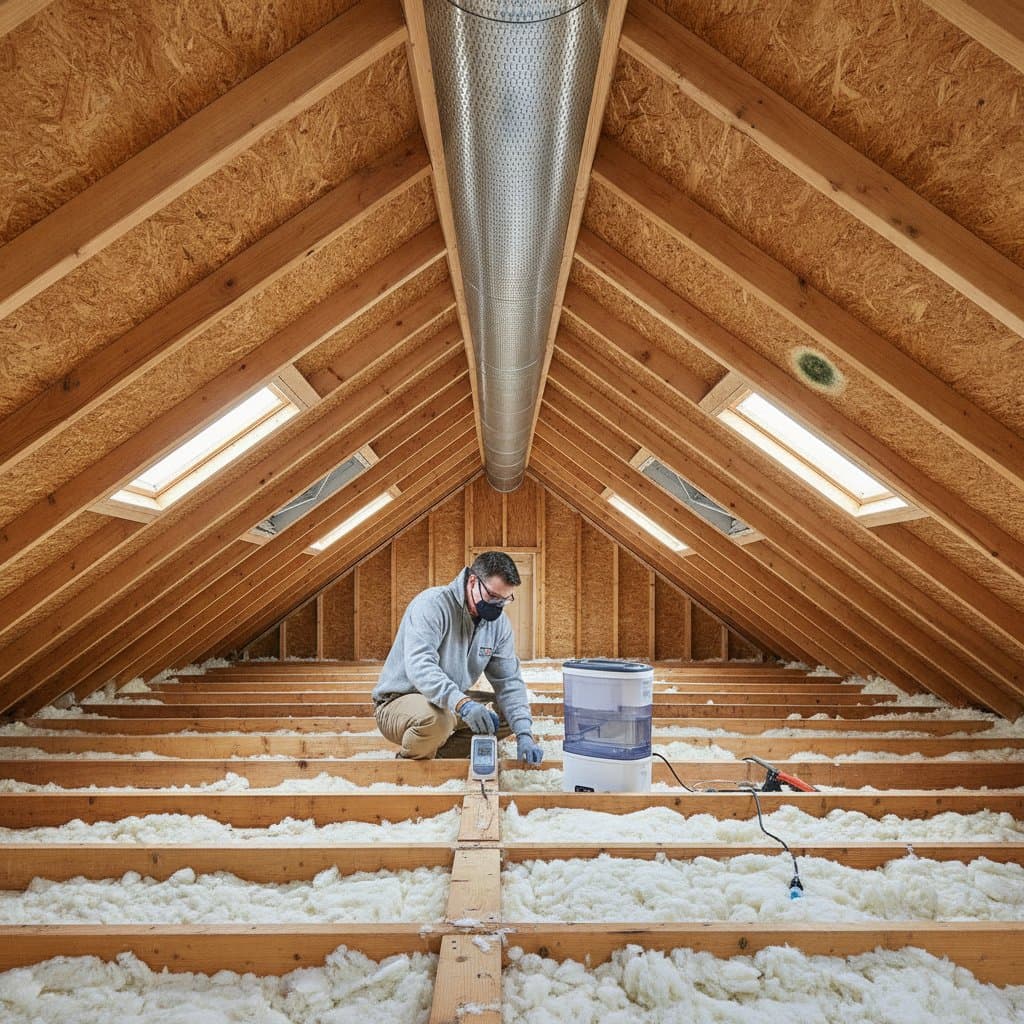
Use a flashlight to spot separations. Apply duct sealant over gaps, pressing firmly. For larger issues, consult a professional. Sealing improves distribution, enhancing overall efficiency.
When to Call a Professional
Some tasks exceed DIY capabilities, like refrigerant handling or electrical diagnostics. Certified technicians use specialized tools to measure pressures and clean evaporator coils.
A standard tune-up costs $75 to $200, depending on location and system size. It includes leak tests, lubricant application, and safety checks. Schedule annually, ideally before May, to catch issues early.
Professionals also assess insulation and zoning for further optimizations. If your unit is over 10 years old, discuss efficiency upgrades during the visit.
Cost Estimates and Savings Breakdown
Budget wisely for maintenance to maximize returns. DIY filter changes run $10 to $20 quarterly, totaling $40 to $80 yearly. Hose cleaning adds no cost.
Professional services average $150 per visit. Combined, expect $200 to $300 annually. In return, enjoy 15 percent energy savings on a typical $300 monthly summer bill, or $45 monthly.
Long-term, maintenance prevents $1,000-plus repairs. Efficient operation lowers carbon footprint, aligning with sustainable living.
Maximizing Efficiency Year-Round
Extend benefits beyond summer with habits like closing blinds during peak sun and using ceiling fans. These complement maintenance for compounded savings.
Monitor usage with energy apps to track improvements. Adjust based on performance, ensuring consistent comfort.
Prepare your AC today for a seamless summer. These steps deliver reliability, savings, and peace of mind, transforming hot days into enjoyable ones.