Essential Fall HVAC Maintenance: Preventing Winter Breakdowns
Furnaces often fail at the worst possible moment. As the initial cold front arrives and the thermostat activates, cool air from vents signals trouble for many homeowners. Proactive fall HVAC maintenance transforms this seasonal risk into assured reliability, preserving comfort, safety, and energy efficiency before winter demands peak performance.
Importance of Fall HVAC Maintenance
Heating systems accumulate dust, moisture, and debris during summer inactivity. Clogged filters, corroded burners, and loose electrical connections emerge as hidden threats. Fall maintenance addresses these issues when temperatures remain moderate, technicians maintain ample availability, and repairs occur without urgency.
Core Benefits
Schedule fall HVAC service immediately to secure safe, efficient, and dependable operation through winter. Technicians inspect, clean, and optimize furnaces, extending equipment life while lowering energy costs. Delaying until cold weather invites extended wait times, elevated expenses, and potential heating loss during critical periods.
Details of a Fall HVAC Tune-Up
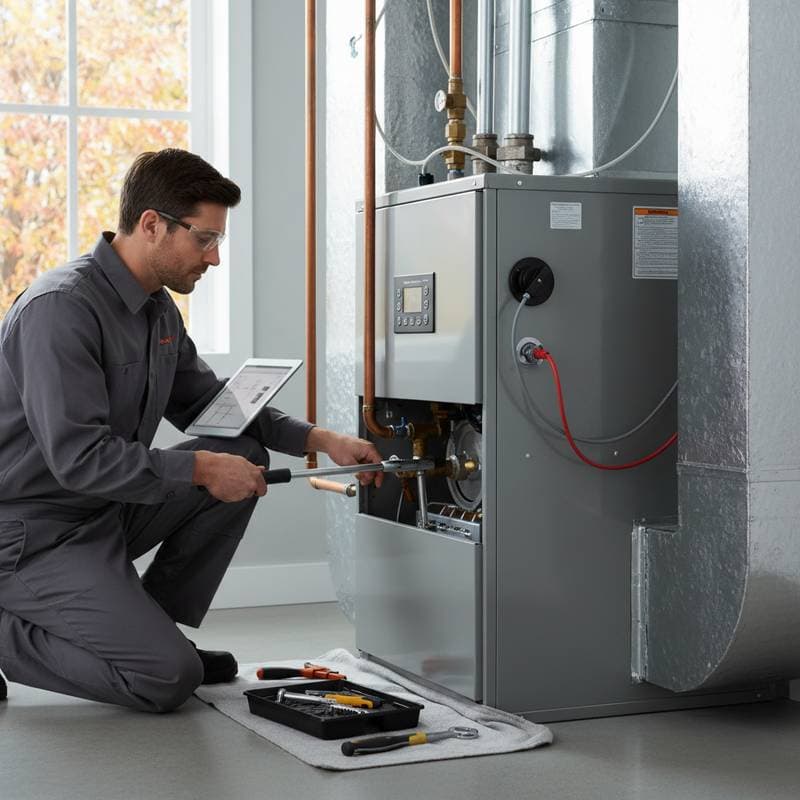
Professional fall tune-ups involve comprehensive inspections and cleanings of key heating components. Homeowners typically encounter these steps during a visit:
- System Inspection: Technicians examine the heat exchanger, blower assembly, and combustion chamber for cracks, corrosion, or obstructions.
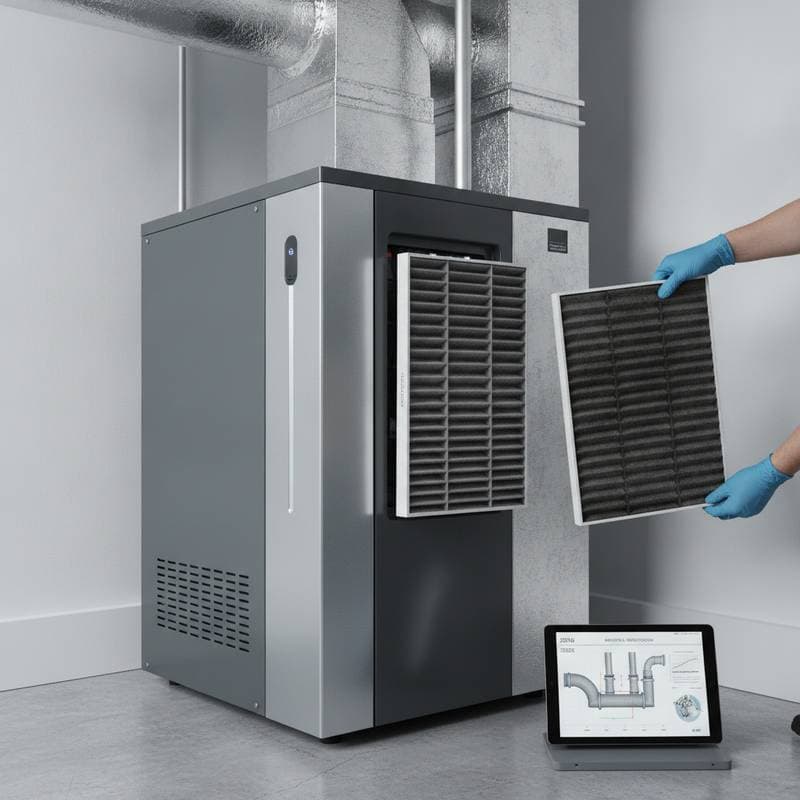
- Filter Replacement: Install a fresh air filter to sustain optimal airflow. Standard sizes include 16 by 25 inches or 20 by 25 inches; verify the precise dimensions on the existing filter.
- Burner Cleaning and Adjustment: Remove dirt from burners to enhance efficiency and safety, then calibrate for complete combustion.
- Thermostat Calibration: Verify accuracy to achieve set temperatures without frequent cycling.
- Electrical Checks: Test wiring, relays, and safety controls for stable connections and appropriate voltage.
- Lubrication: Apply oil to bearings and motors, minimizing friction and extending durability.
- Performance Testing: Operate the furnace to validate airflow, ignition, and temperature increase.
Appointments for forced-air furnaces last approximately one hour; systems with humidifiers or heat pumps require additional time.
Critical Performance Metrics
Technicians evaluate specific indicators of system health. Understanding these allows informed discussions during service.
| Measurement | Ideal Range | Why It Matters |
|---|---|---|
| Temperature rise | 30 to 60°F | Ensures effective heat transfer without excessive strain |
| Static pressure | 0.5 to 0.8 inches of water column | Balances duct airflow for even distribution |
| Carbon monoxide reading | Below 100 ppm in flue gas | Confirms safe exhaust of combustion byproducts |
| Gas pressure | 3.2 to 3.8 inches of water column for natural gas | Maintains precise fuel supply |
| Flame signal | 2.5 microamps or higher | Guarantees reliable burner startup |
Deviations from these ranges highlight efficiency losses or safety risks requiring prompt correction.
Advantages of Early Scheduling
Availability drives the primary motivation for immediate booking. Demand surges as temperatures fall, leading to wait times of two weeks or more and premium emergency fees up to 50 percent above standard rates. Early appointments offer flexible timing and preempt issues that surface only under heavy use, such as heat exchanger cracks.
Pricing for Fall HVAC Service
Tune-up fees range from $80 to $200, varying by system complexity, region, and extras like duct inspections. Contrast this with emergency repairs averaging $300 to $1,200 for components such as igniters or blower motors. Preventive care yields significant long-term savings.
| Service Type | Typical Cost Range | When Needed |
|---|---|---|
| Annual fall tune-up | $80 to $200 | Once per heating season |
| Emergency furnace repair | $300 to $1,200 | During unexpected failures |
| Full furnace replacement | $4,000 to $9,000 | If repairs surpass equipment value |
Annual maintenance upholds manufacturer warranties, often mandating proof of service to cover major parts.
Safe DIY Maintenance Tasks
Professional oversight remains vital, yet certain routines fall within homeowner capabilities between visits.
1. Monthly Filter Maintenance
Clogged filters impair airflow and inflate bills. Swap disposable filters every 30 to 60 days or clean reusables per guidelines. Orient new filters with the airflow arrow directing toward the furnace.
2. Cleaning Vents
Accumulated dust and debris obstruct flow. Employ a vacuum's brush attachment to clear floor registers and return grilles seasonally.
3. Maintaining Clearance
Preserve a three-foot radius around the furnace and water heater. Remove storage items or flammables to support ventilation and reduce hazards.
4. Thermostat Verification
Transition the thermostat to heating mode and adjust several degrees above ambient. Activation should occur within one minute; inspect batteries or breakers if delayed before seeking aid.
5. Vent Inspection
For high-efficiency models with PVC pipes, ensure exterior ends remain clear of obstructions. Blockages risk shutdowns or hazardous gas accumulation.
Indicators for Professional Intervention
Engage certified technicians for gas, electrical, or sealed elements. Seek help for these symptoms:
- Unusual sounds like grinding or banging
- Gas odors or burner soot
- Rapid on-off cycling
- Yellow pilot flame rather than blue
- Unexplained bill spikes in moderate weather
Experts diagnose safely, ensuring compliance with codes and fire protection standards.
Tailoring for Accessibility and Air Quality
Families with elderly members or respiratory issues prioritize air purity alongside warmth. During service, confirm filter MERV ratings suit needs; MERV 8 to 11 captures dust and pollen effectively without impeding flow. MERV 13 suits allergy concerns but demands robust blowers.
For mobility challenges, request thermostat relocation. Typical height sits at 60 inches from the floor; adjustments to 48 inches improve access.
Pitfalls to Avoid
Common errors undermine performance and longevity. Steer clear of:
- Neglecting filters, which cuts efficiency by 15 percent
- Over-closing vents, straining the blower
- Dismissing minor noises signaling wear
- Mismatching filter sizes, bypassing filtration
- Postponing service past fall, inviting delays and costs
Proactive fall measures sidestep these issues, preparing systems for winter demands.
Prolonging Equipment Durability
Furnaces last 15 to 20 years with consistent care. Neglect accelerates wear through buildup and imbalance. Maintained units operate cooler, with lubricated components enduring longer and tuned burners easing component stress.
Regular tune-ups mirror automotive oil changes; omissions compound over time, eroding initial investments.
Realizing Energy Efficiency Gains
Optimized furnaces boost efficiency by 10 to 20 percent over neglected counterparts, directly reducing bills. Key factors include:
- Enhanced airflow from clean filters and coils
- Complete fuel combustion via precise tuning
- Reduced friction in lubricated parts
- Accurate thermostats avoiding excess operation
A $1,200 annual heating cost sees $120 saved at 10 percent improvement, recouping maintenance expenses repeatedly.
Essential Tools for Homeowners
Basic equipment simplifies routine checks:
- Flashlight with magnetic base
- Digital thermometer for vent readings
- Screwdriver set for panel access
- Vacuum with hose
- Spare air filters
- Carbon monoxide detector
These items enable safe, efficient minor tasks.
Steps to Secure Your Service
Contact a local HVAC provider promptly for a comprehensive heating tune-up. Request a detailed inspection checklist and retain it alongside your manual for records. Perform preliminary filter and vent cleaning to facilitate the visit, and inquire about efficiency metrics and upgrades. This preparation minimizes winter disruptions, delivering sustained warmth and security.