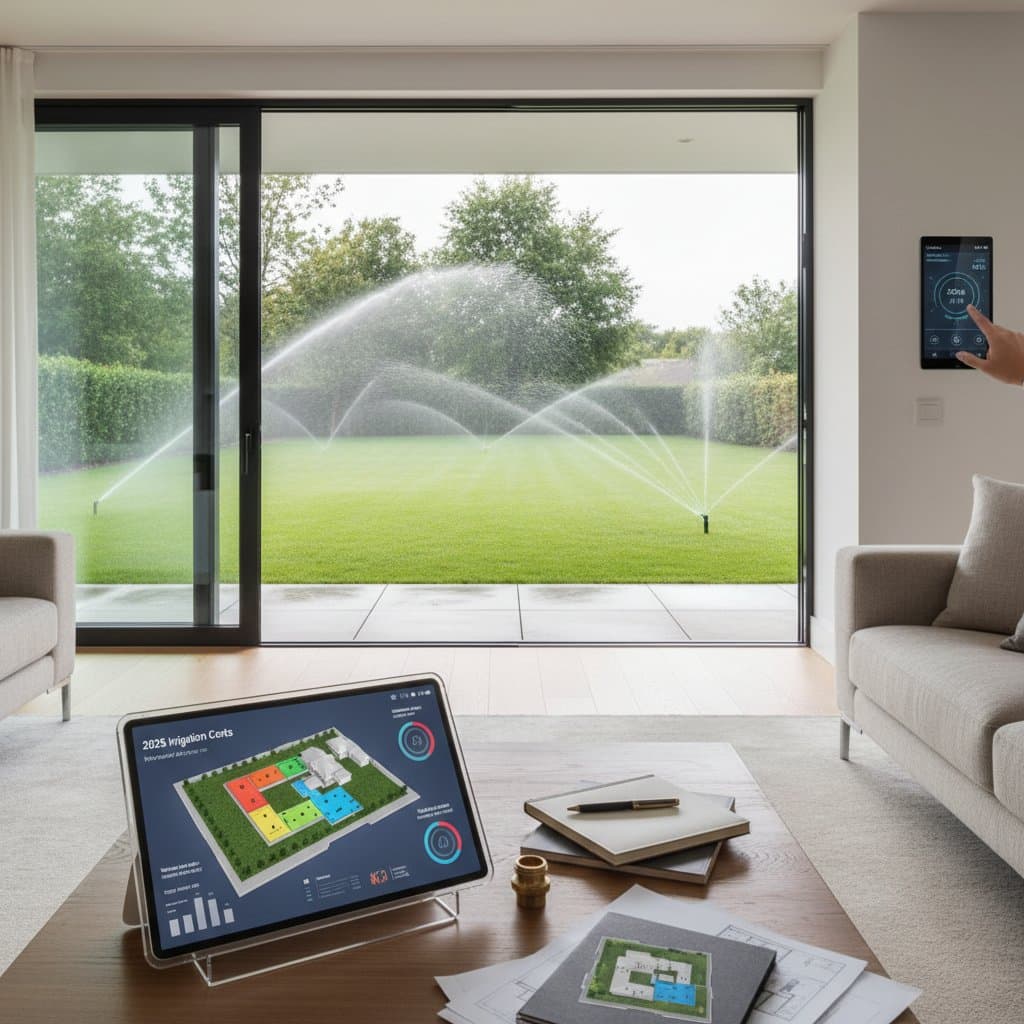
2025 Lawn Irrigation Costs: What Homeowners Pay
A vibrant, healthy lawn requires reliable watering. Homeowners increasingly install automatic irrigation systems to simplify this task. Costs for these systems range significantly, and understanding the variables enables informed budgeting. Whether for compact yards or expansive properties, multiple elements determine the overall investment.
Average Cost of Lawn Irrigation Systems
For a typical residential yard, a full irrigation system installation ranges from $2,500 to $6,000. Larger or more intricate landscapes often exceed $10,000. These figures account for yard dimensions, soil conditions, water pressure levels, and the quantity of sprinkler zones.
Smaller lawns, under 1,000 square feet, typically require four to six sprinkler heads and minimal piping, resulting in costs around $1,500 to $3,000. Medium-sized lawns, between 1,000 and 5,000 square feet, demand additional zones and extended piping runs, pushing expenses to $3,000 to $7,000 due to increased labor and materials. Large lawns over 5,000 square feet may necessitate supplemental valves, booster pumps, or advanced controllers for uniform coverage, with totals reaching $8,000 or more.
Basic front-yard configurations remain accessible for average budgets, whereas comprehensive property-wide setups multiply the price. Labor constitutes approximately 40 to 50 percent of the total, underscoring the importance of experienced installation.
Key Factors Affecting Irrigation Costs
Multiple considerations shape the expense of an irrigation project. Awareness of these allows homeowners to select options that optimize value without compromising quality.
-
Lawn Size and Shape
Expansive areas demand additional sprinkler heads, extensive piping, and robust control units. Oddly shaped plots or sloped terrains call for customized designs and specialized heads to minimize runoff and eliminate dry areas. -
System Type
Primary choices include in-ground sprinkler systems and drip irrigation. Sprinkler setups provide broad, uniform coverage ideal for turf grass. Drip systems deliver targeted watering to gardens and shrubs, conserving water through slow release. Many properties benefit from hybrid configurations that integrate both approaches. -
Water Source
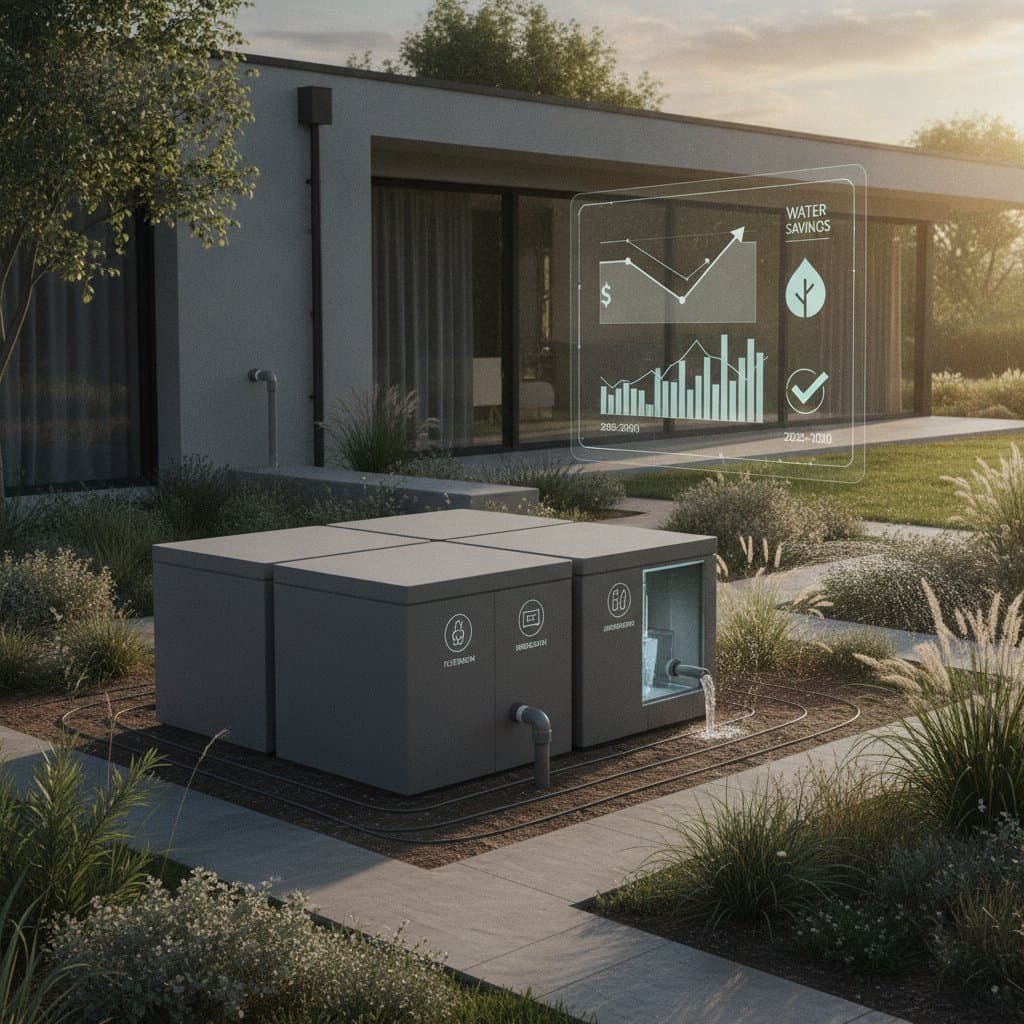
Connections to municipal supplies simplify setup but can elevate utility bills during peak use. Well-based or rainwater harvesting systems require pumps, filters, and storage tanks, which increase initial outlays by $500 to $2,000. -
Material Quality
Standard polyethylene or PVC pipes suffice for most applications. Premium materials, such as reinforced tubing and corrosion-resistant valves, extend system longevity but add 20 to 30 percent to material costs. Selecting high-quality nozzles and timers minimizes future repairs. -
Labor and Accessibility
Contractors base fees on project complexity, often charging $50 to $100 per hour. Sites with barriers like mature trees, retaining walls, or patios extend trenching time and labor charges. Homeowners can reduce expenses by preparing access paths, though professionals must handle precise system calibration.
Installation Steps and What to Expect
Professional irrigation projects follow a structured sequence to ensure reliability and efficiency.
-
Design and Planning
Experts survey the property, assess water pressure, and delineate zones based on sun exposure and plant needs. This phase produces a blueprint that optimizes water distribution and prevents excess usage. -
Trenching and Piping
Narrow trenches, typically 6 to 12 inches deep, accommodate pipes, valves, and connectors. Teams lay components securely before backfilling with soil to restore the landscape. -
Sprinkler Head Placement
Heads position at intervals of 10 to 15 feet for overlap and complete coverage. Pop-up models with adjustable arcs suit edges and irregular boundaries. -
Controller Setup
Programmable controllers manage timing and duration. Integration with soil moisture or rain sensors allows automatic adjustments, halting operations during wet weather. -
Testing and Adjustments
Full pressurization reveals leaks or imbalances. Technicians fine-tune heads for precise patterns, ensuring efficient water application across the yard.
Safety Warning: Locate underground utilities such as electrical cables or gas lines prior to excavation. Local services provide free markings to prevent accidents.
Long-Term Costs and Maintenance
Post-installation, routine care sustains performance and curbs ongoing expenses. Annual outlays average $200 to $500, covering:
- Seasonal inspections of valves, sensors, and heads for wear.
- Winterization in freezing climates, involving draining and insulation to avoid bursts.
- Replacements for degraded filters, nozzles, or timers every 3 to 5 years.
- Software updates for controllers to refine schedules based on seasonal changes.
Inadequate upkeep leads to water loss from leaks or uneven distribution, fostering lawn stress. Proper maintenance extends system life to 15 years or longer, offsetting costs via conservation.
Cost Comparison Chart Suggestion
Incorporate a bar chart to illustrate differences:
- Sprinkler system (standard lawn): $2,500 to $6,000
- Drip system (garden beds): $1,000 to $3,000 per zone
- Hybrid system (mixed use): $3,500 to $8,000
Alt text for chart: Comparison of average lawn irrigation costs by system type, highlighting sprinkler, drip, and hybrid options.
Such visuals enable quick comprehension of pricing variations.
Benefits of Installing an Irrigation System
The upfront investment yields tangible returns for homeowners.
- Time Savings: Automation removes the need for manual watering, freeing hours each week.
- Water Efficiency: Sensors and timers apply precise amounts, reducing consumption by up to 30 percent.
- Healthier Lawns: Uniform moisture promotes robust root development and vibrant color.
- Property Value: Enhanced landscaping boosts aesthetic appeal and marketability.
- Lower Bills: Optimized operation trims utility expenses over time.
Homeowners in online discussions frequently note that automated systems maintain lush yards during droughts, eliminating the uncertainty of hand-watering.
Common Questions About Irrigation Costs
Is it cheaper to install it myself?
Self-installation cuts labor fees by 40 to 50 percent, but errors in pipe depth or pressure regulation often incur costly fixes. Professionals deliver reliable results that justify the expense.
How can I save on installation?
Obtain bids from three or more contractors, opt for installations in early spring or fall to avoid peak pricing, and select materials that offer durability without excess premium.
Do smart controllers really help?
Affirmative. These devices access local weather forecasts to modify cycles, conserving water and enhancing plant vitality.
Will an irrigation system raise my water bill?
Inefficient setups may increase usage, but calibrated systems typically consume less than haphazard manual methods.
Securing Value Through Smart Planning
To maximize returns on an irrigation investment, begin with precise yard measurements and evaluate system compatibility with your landscape. Solicit detailed proposals from certified installers, specifying materials, labor breakdowns, and warranty terms.
Familiarize yourself with controller functions promptly after setup. Dedicate brief seasonal reviews to update programming, ensuring sustained lawn vitality and fiscal prudence. This approach transforms the system into a durable asset for ease, aesthetics, and resource stewardship.