Essential Summer AC Preparation to Avoid Expensive Repairs
Summer heat waves demand reliable cooling, yet an unprepared air conditioner often leads to warm indoor air and unexpected breakdowns. Pre-season maintenance ensures smooth operation and wards off emergency service calls. With basic tools and a structured approach, homeowners can ready their systems as temperatures rise.
The Importance of Seasonal AC Maintenance
Air conditioners experience a 5 to 10 percent efficiency drop annually without regular care. This decline results in elevated energy costs and increased component stress. A well-maintained unit delivers quicker cooling, operates with less noise, and enjoys an extended service life. Investing time in preparation yields substantial savings across the season.
Step 1: Conduct a Thorough Visual Inspection
Safety requires disconnecting power to the outdoor condenser unit via the disconnect box before any inspection begins. Examine the exterior for potential problems that could hinder performance.
- Maintain a minimum 24-inch clearance around the unit to facilitate airflow.
- Clear leaves, grass clippings, and accumulated debris from the condenser fins.
- Verify that the fan blades rotate without obstruction.
- Examine wiring for damage, fraying, or evidence of pest activity.
Bent fins impair heat dissipation; straighten them using a fin comb for optimal function. A debris-free condenser enhances efficiency compared to one obstructed by dirt or vegetation.
Step 2: Replace or Clean the Air Filter
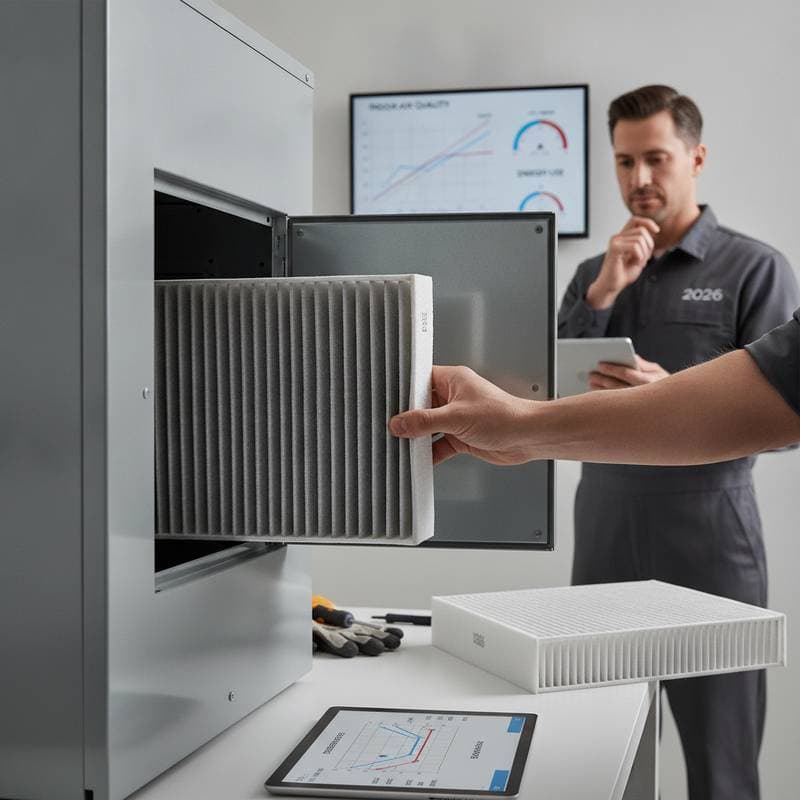
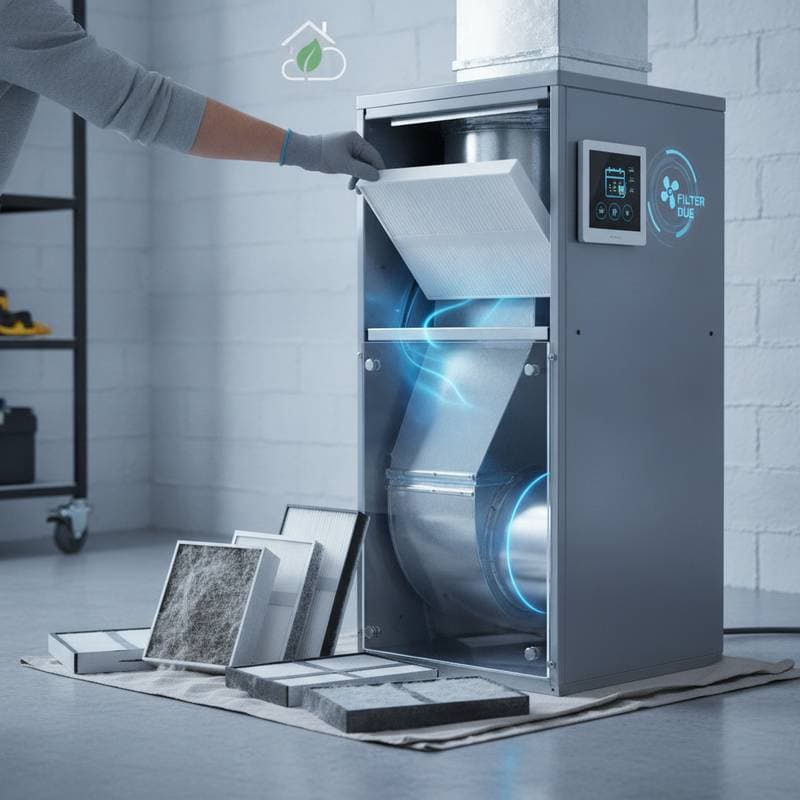
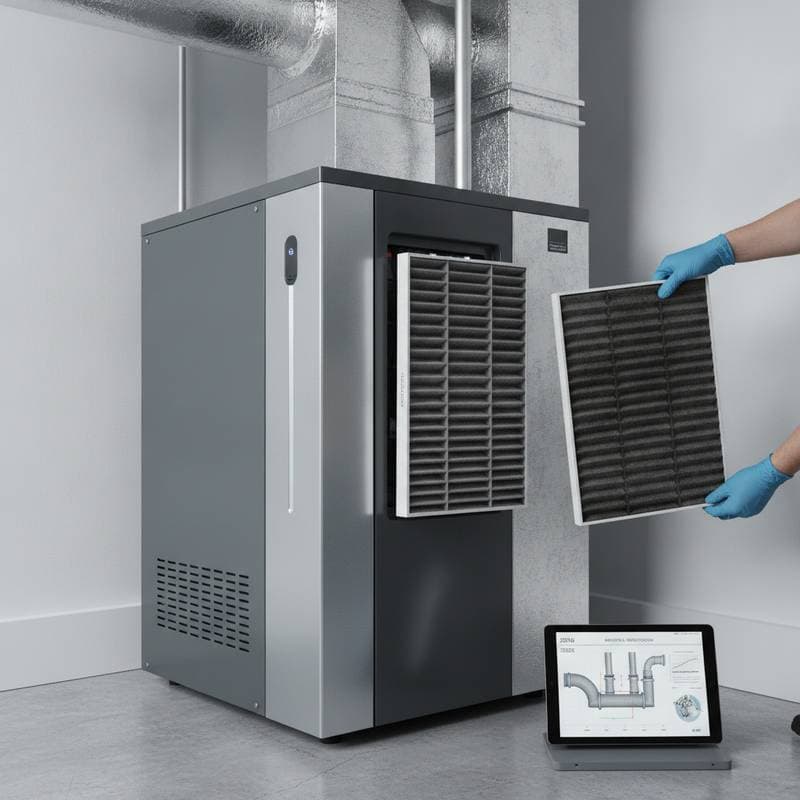
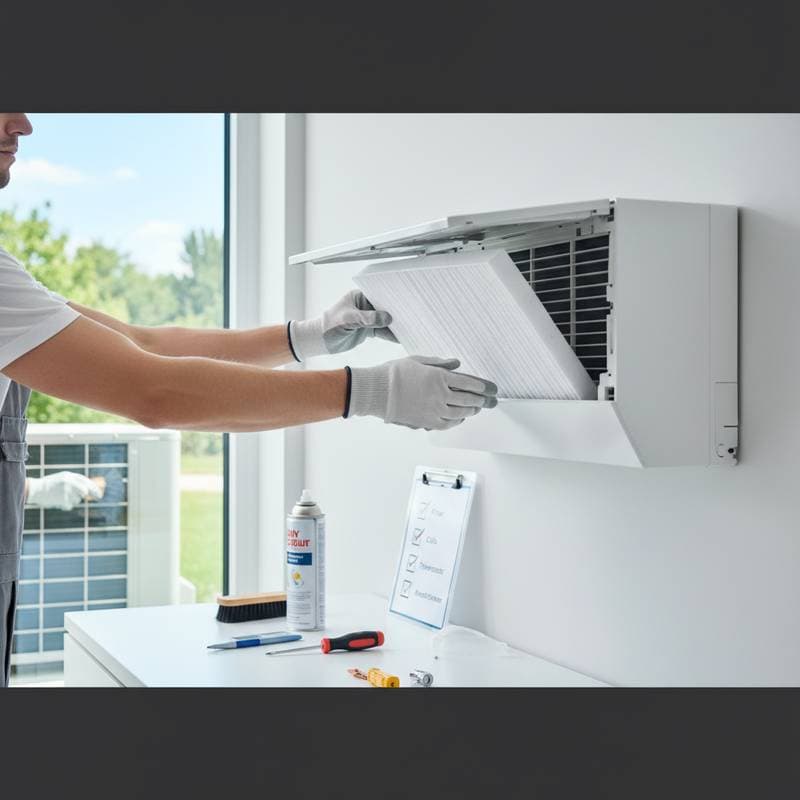
Restricted airflow from a dirty filter represents a primary cause of reduced cooling capacity. Standard 1-inch filters in central systems require replacement every 30 to 60 days, whereas 4-inch models may endure up to six months. Select filters with MERV ratings between 8 and 12 to balance filtration effectiveness and system strain.
Install the replacement filter aligning with the airflow direction indicated by arrows on the frame. Fresh filtration can decrease energy consumption by as much as 15 percent, promoting both comfort and cost savings.
Step 3: Inspect and Clear the Condensate Drain
The PVC drain line from the indoor unit removes moisture generated during cooling. Blockages cause water accumulation, potentially harming interior surfaces like walls or floors.
Prepare a solution of one cup white vinegar and one cup warm water, then introduce it gradually into the drain access point. Should water fail to drain, apply a wet-dry vacuum to the exterior outlet to dislodge obstructions. A small funnel simplifies the pouring process and minimizes spills.
Step 4: Verify Thermostat Function and Electrical Integrity
Activate the thermostat in cooling mode, setting it several degrees below the current room temperature. Observe the system startup and monitor for steady, quiet performance free of unusual clicks or vibrations.
Failure to engage prompts checks of the circuit breaker and thermostat batteries. Within the control panel, secure any loose connections by tightening screws with an appropriate screwdriver, as instability leads to erratic behavior.
Step 5: Maintain the Evaporator Coil
Access the indoor evaporator coil, typically behind a removable service panel, and remove surface dust using a soft-bristled coil brush. For thorough cleaning, apply a no-rinse foaming cleaner that breaks down residue without additional rinsing.
Allow the foam sufficient time to penetrate and dissolve buildup before resealing the panel. This process boosts heat transfer efficiency and eliminates odors associated with accumulated grime.
Pitfalls in AC Maintenance to Sidestep
Overlooking filter replacement often results in diminished airflow and heightened system workload. Neglecting to power down the unit prior to servicing poses safety risks. High-pressure water application damages delicate condenser fins, while dismissing odd sounds or frequent cycling signals underlying issues.
Such errors accelerate wear, potentially causing compressor malfunctions or refrigerant escapes that demand professional intervention and significant expense.
Indicators for Professional HVAC Assistance
Systems exceeding 8 to 10 years in age, or those exhibiting warm output, inconsistent temperatures, or frost on refrigerant lines, warrant expert evaluation. Professional services, priced between 75 and 200 dollars, encompass refrigerant level assessments, electrical diagnostics, and operational adjustments.
Licensed technicians ensure adherence to safety standards and building codes, providing peace of mind beyond basic homeowner efforts.
Strategies for Ongoing AC Reliability
Develop a seasonal maintenance log to track filter changes, coil cleanings, and thermostat verifications. Clearly label circuit breakers for swift power isolation during routines.
Consistent upkeep preserves efficiency, prolongs equipment durability, and maintains indoor comfort during peak heat. These proactive measures safeguard against disruptions and financial burdens associated with reactive repairs.