Benefits of Quarterly HVAC Filter Replacements for Indoor Air Quality
A well-maintained HVAC filter contributes far beyond basic temperature control. It safeguards air quality, optimizes system performance, and reduces energy expenditures. Homeowners who replace filters every three months experience noticeable improvements in indoor air health, though this essential task often receives less attention than it deserves. Consistent quarterly replacements minimize allergens, prolong equipment lifespan, and foster a healthier breathing environment.
Essential Role of HVAC Filters
The HVAC filter serves as the primary barrier against airborne pollutants. It traps dust, pollen, pet dander, and various contaminants to prevent their spread throughout living spaces. A clogged filter restricts airflow, forcing the system to operate under increased strain to distribute conditioned air. This inefficiency not only diminishes overall effectiveness but also elevates energy consumption.
Furthermore, restricted airflow from a dirty filter results in uneven temperature distribution. Areas distant from the HVAC unit receive inadequate heating or cooling, creating discomfort. Data from the Department of Energy indicates that a soiled filter can increase energy use by as much as 15 percent. This unassuming component profoundly impacts both daily comfort and operational expenses.
Rationale for a Quarterly Replacement Schedule
Homeowners frequently believe that annual or biannual filter changes suffice. However, a schedule of every three months proves ideal for the majority of residences. This frequency strikes an effective balance among air purity, financial considerations, and ease of upkeep. Factors such as seasonal variations, daily activities, and local environmental influences accelerate filter saturation.
Consider these key advantages of quarterly replacements:
-
Seasonal allergens vary predictably. Spring introduces pollen surges, while winter generates additional dust. Quarterly changes position the system to counteract these fluctuations effectively.
-
Indoor habits adapt to climate shifts. Closed windows in colder periods concentrate indoor pollutants, whereas extended HVAC operation in summer accelerates filter loading.
-
Routine maintenance preserves components. Frequent replacements prevent internal dust accumulation, which lessens stress on motors and coils.
-
Utility costs remain stable. Optimal airflow from clean filters supports consistent system operation, avoiding unexpected bill increases.
Performing Filter Replacements: DIY Versus Professional Assistance
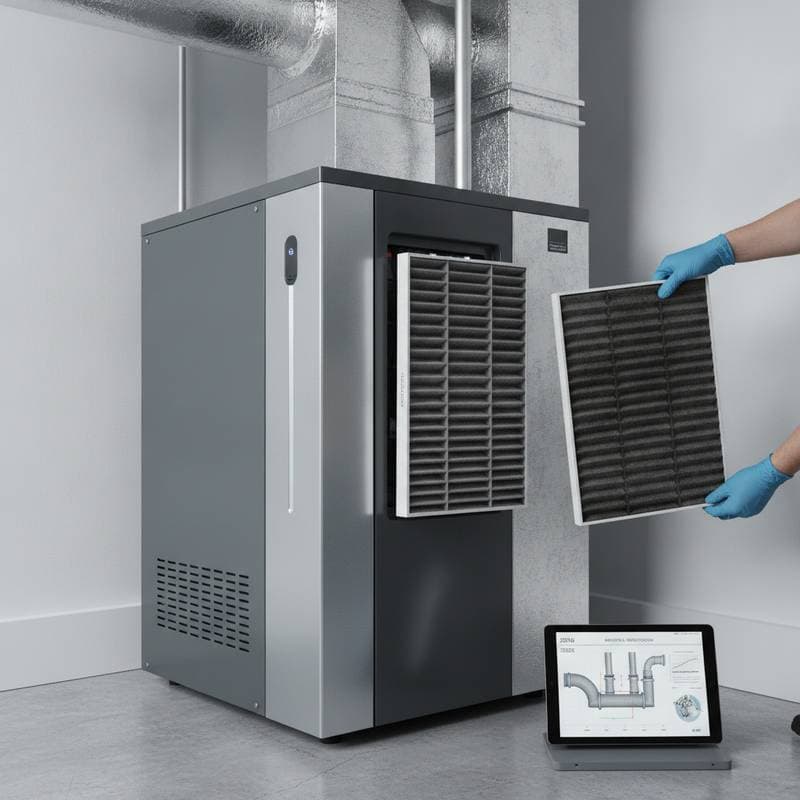
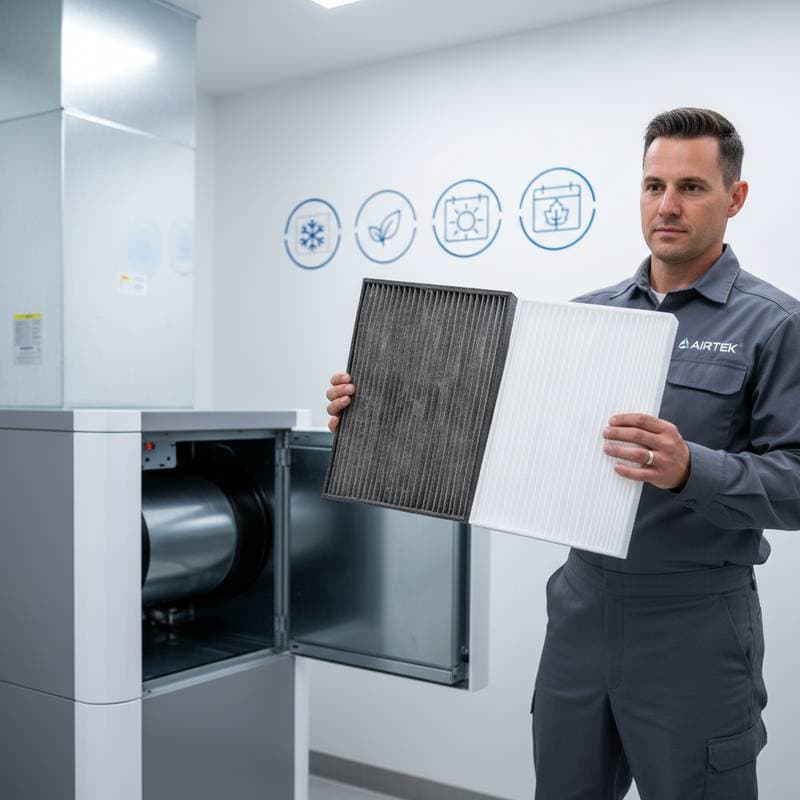
Most homeowners find filter replacement straightforward and manageable independently. Identify the filter dimensions from the markings on the current unit's frame. Remove the old filter, install the new one ensuring airflow arrows point toward the incoming air direction, and secure the access panel.
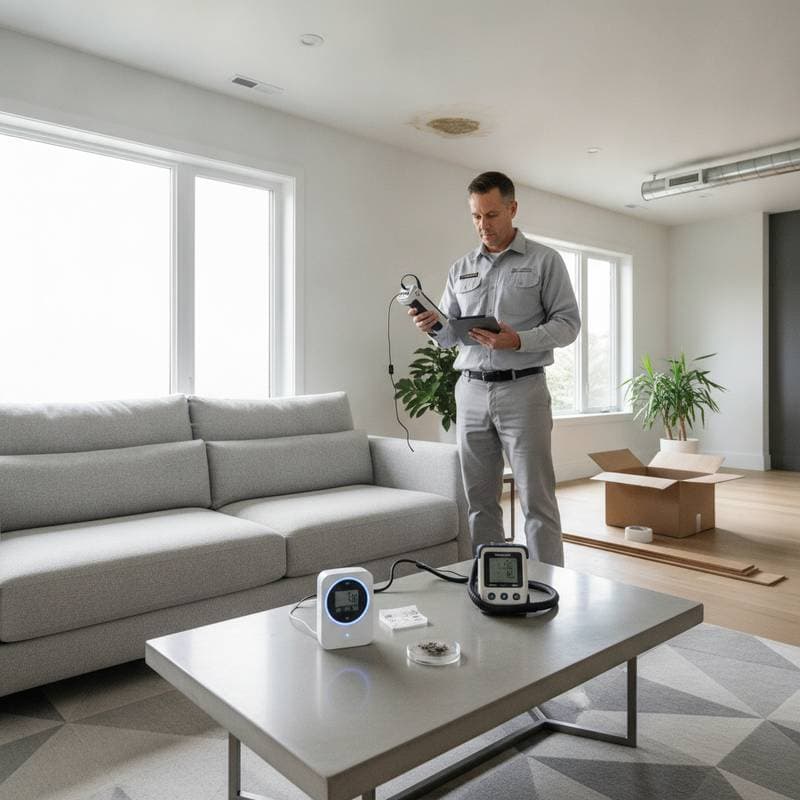
Professional intervention becomes advisable in certain scenarios. Systems with high capacity, integrated filtration units, or electronic cleaners benefit from periodic expert inspections. Technicians address internal cleaning, detect potential leaks, and verify compatibility between filter specifications and system airflow demands.
Discussions on platforms like Reddit's r/HomeImprovement highlight homeowner experiences. Many report enhanced air quality and alleviated allergy symptoms after implementing quarterly routines. Reduced surface dust accumulation often becomes evident within a single seasonal period.
Selecting an Appropriate Filter Type
Filters differ significantly in effectiveness. The MERV rating, or Minimum Efficiency Reporting Value, quantifies particle capture capability. Higher ratings indicate superior filtration of finer particles. Residences typically perform well with MERV 8 to MERV 12 options. Ratings beyond this range risk airflow reduction in standard systems.
Review this overview of MERV categories:
-
MERV 1-4: Offers fundamental capture of coarse particles such as dust and lint. Appropriate for aging systems, though insufficient for contemporary households.
-
MERV 5-8: Provides equilibrium between particle removal and air circulation. Effectively targets pollen, dust mites, and mold spores.
-
MERV 9-12: Ideal for pet-owning or allergy-prone families. Secures finer contaminants, including certain bacteria.
-
MERV 13 and above: Reserved for medical facilities and commercial applications. Suitable exclusively for advanced, high-capacity systems.
Opt for pleated designs over flat panels. Pleated filters expand surface area for greater contaminant retention without compromising airflow. Reputable manufacturers including Filtrete, Honeywell, and Nordic Pure earn acclaim for their robust construction and reliable results.
Financial Implications and Long-Term Savings
The prospect of quarterly purchases may appear costly at first glance, yet annual expenses typically undercut the price of one professional service call. Quality filters cost between ten and thirty dollars each. Bulk purchasing or manufacturer subscriptions further diminish per-unit expenses.
Regular filter maintenance extends HVAC longevity substantially. Unobstructed operation minimizes mechanical wear, postponing expensive repairs or premature full-system replacement. Industry analyses suggest that diligent upkeep can add up to ten years to equipment life, yielding substantial savings over decades.
Energy conservation represents an additional fiscal advantage. Unhindered airflow translates to lower power demands. Incremental efficiency gains manifest as tangible reductions in monthly statements, particularly during intense seasonal usage.
Health and Safety Implications of Filter Maintenance
Beyond comfort, neglected filters pose health hazards. Accumulated debris retains moisture, fostering mold proliferation that disperses via ductwork. Such conditions exacerbate allergies, asthma, and respiratory sensitivities. Quarterly interventions mitigate these threats and promote superior indoor air standards.
Environments with tobacco use, pets, or frequent cooking demand heightened vigilance. Residue from smoke and culinary vapors adheres to filter media, hastening degradation. Monthly visual inspections enable early detection of saturation.
Families with young children or senior members frequently observe health benefits from accelerated schedules. Diminished airborne irritants contribute to a more consistent and supportive indoor atmosphere.
Establishing a Sustainable Maintenance Routine
Incorporate reminders to cultivate adherence. Program calendar notifications or inscribe due dates directly on the filter frame for visibility.
Integrate filter changes with complementary seasonal chores, including vent dusting, smoke detector testing, and weatherproofing assessments. This holistic approach ensures comprehensive home system oversight.
For personalized guidance, consult a certified HVAC professional to assess your installation. They provide tailored recommendations on filter selection, MERV levels, and interval adjustments suited to your dwelling's unique conditions.
Realizing Lasting Value from Consistent Care
Quarterly HVAC filter replacements demand minimal effort yet deliver enduring rewards. They sustain pristine air, curb energy outlays, and alleviate system burdens. Whether executed personally or as part of expert servicing, unwavering commitment enhances overall home performance and well-being.