Pre-Winter HVAC Tune-Up: Reduce Energy Bills by 15 Percent
A sudden cold front arrives, and the furnace fails without warning. The result disrupts comfort and leads to unexpected repair costs. A pre-winter HVAC tune-up prevents such issues. This service extends equipment lifespan, enhances operational efficiency, and maintains stable energy expenses during colder months.
Importance of Pre-Winter Maintenance
HVAC systems face maximum demand in harsh weather conditions. Accumulated dust, faulty electrical connections, and degraded components strain performance. These factors increase energy consumption and elevate breakdown risks. Early intervention through a tune-up identifies and resolves these concerns, ensuring reliability during peak usage periods.
Properly maintained furnaces operate with up to 15 percent lower energy requirements compared to neglected units. This efficiency translates to substantial monthly savings. Regular servicing also prolongs system durability, potentially adding several years before a full replacement proves necessary.
Homeowners benefit from improved indoor air quality as well. Clean components reduce allergen circulation, supporting respiratory health. Technicians often recommend seasonal checks to align with varying environmental demands, such as increased humidity or pollen in fall.
Detailed Process of a Professional Tune-Up
Licensed heating specialists adhere to comprehensive protocols during inspections. These steps verify safe and optimal functionality. Expect the following procedures as standard:
- Examine and clean burners and heat exchanger. Technicians verify complete combustion and eliminate risks of carbon monoxide accumulation.
- Evaluate airflow and duct integrity. Blockages compel the furnace to overwork, diminishing overall efficiency.
- Verify ignition system and safety mechanisms. Accurate operation prevents excessive heat buildup or irregular cycling.
- Apply lubrication to motors and assess belts. Unlubricated parts accelerate deterioration through friction.
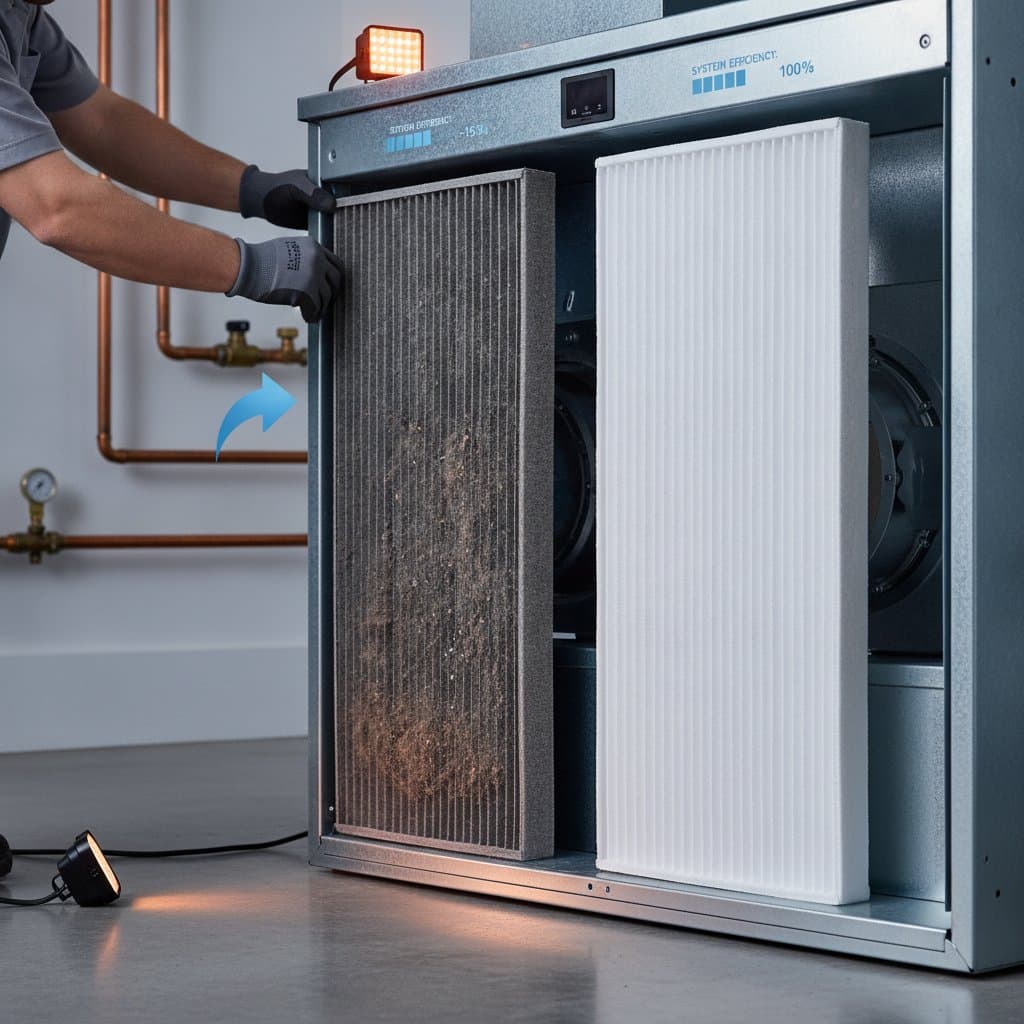
- Install new or refresh filters. Replacement frequency varies from one to three months, influenced by household dust and occupancy levels.
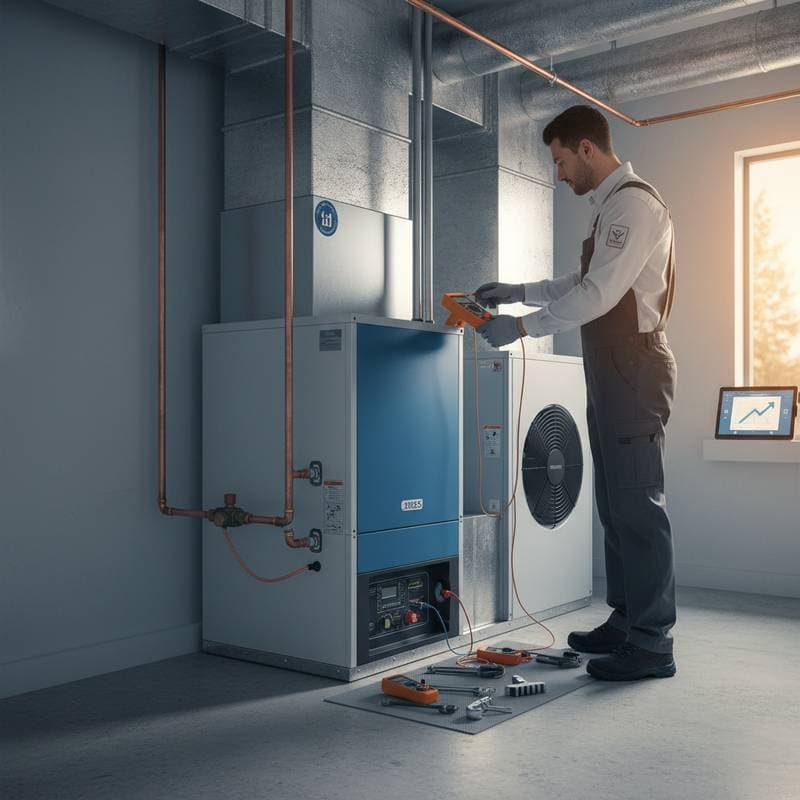
- Measure gas pressure and electrical integrity. Precise calibration ensures compliance with safety standards.
- Test overall system performance. Final diagnostics confirm balanced operation under simulated load conditions.
Homeowners may manage basic tasks like filter changes independently. However, complex elements require expert handling. Professionals possess tools to detect subtle issues, such as minor leaks or voltage irregularities, that evade amateur detection.
Pitfalls to Avoid in Home Maintenance
Neglecting routine care ranks as the primary error, yet additional oversights prove equally detrimental. Address these proactively to safeguard system health:
- Overlooking atypical sounds, such as grinding or hissing, which signal impending failures.
- Restricting too many supply vents, thereby overburdening the blower assembly.
- Positioning storage near the furnace unit, impeding necessary ventilation.
- Neglecting thermostat accuracy, leading to inefficient temperature regulation.
Such errors accelerate wear, inflate operational costs, and compromise safety. During a tune-up, experts diagnose these subtly developing problems. Early correction averts escalation into major disruptions.
Consider regional factors too. In areas with high humidity, moisture buildup inside ducts fosters mold growth. Technicians inspect for condensation issues and suggest dehumidification strategies.
Investment and Self-Maintenance Options
Professional tune-ups range from $80 to $150, varying by location and equipment complexity. This upfront cost offsets potential repair expenses that often surpass several hundred dollars. System replacements, meanwhile, demand investments exceeding thousands, underscoring the value of preventive measures.
Self-maintenance suits straightforward activities only. These include swapping filters, inspecting thermostat batteries, and clearing debris around the unit. Interventions involving fuel lines, wiring diagnostics, or core assemblies demand certified expertise. Unauthorized attempts risk warranty invalidation and introduce hazards like gas exposure or electrical shocks.
Budget-conscious homeowners might explore service packages. Many providers offer annual contracts bundling tune-ups with priority emergency response. Such plans provide peace of mind at a predictable cost.
Tailoring for Household Needs
For residences with individuals prone to respiratory conditions or mobility challenges, pristine filters hold paramount importance. Opt for pleated varieties rated MERV 8 to MERV 11, striking an optimal balance between filtration efficacy and air circulation. Position filter compartments at accessible heights to simplify routine access.
Smart thermostats further optimize performance. Programming a 5-degree setback during sleep or absence periods reduces energy demands by approximately 10 percent. Users maintain comfort while minimizing runtime. Integration with home automation systems allows remote adjustments, ideal for varying schedules.
Energy audits complement tune-ups. Professionals assess insulation levels and window seals, recommending enhancements like weatherstripping to amplify HVAC effectiveness.
Steps to Secure Your Service
Arrange the appointment ahead of initial frost. Demand surges post-temperature decline, delaying availability for urgent fixes. Allocate buffer time for part procurement if deficiencies arise.
Establish ongoing protocols: calendar alerts for monthly filter reviews and annual professional visits. These practices foster a resilient heating infrastructure. Consequently, winters proceed with consistent warmth, diminished financial strain, and enhanced home security.