Essential Pre-Season AC Maintenance for 2025 Comfort
As warm weather approaches, the air conditioning system emerges as a critical component of home comfort. A few hours of preparation before the initial heat wave can conserve energy, reduce repair expenses, and avoid disruptive outages. Whether homeowners perform basic tasks independently or engage an HVAC technician, a structured pre-season checklist ensures optimal system performance throughout the summer.
Why Early Maintenance Matters
Air conditioners operate under maximum strain during peak outdoor temperatures. Accumulated dirt, dust, and degraded components diminish efficiency and accelerate unit wear. Homeowners who prioritize pre-season tune-ups frequently achieve cooling cost reductions of up to 15 percent, alongside fewer urgent repairs. HVAC experts recommend servicing systems prior to the onset of sustained hot weather, allowing ample time for any necessary adjustments without the constraints of high-demand scheduling periods.
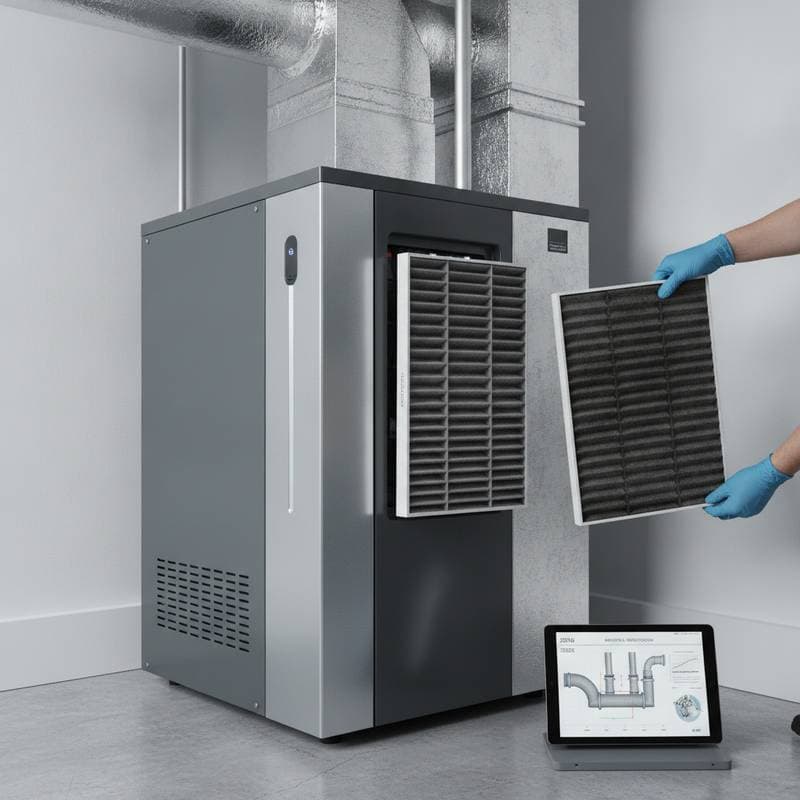
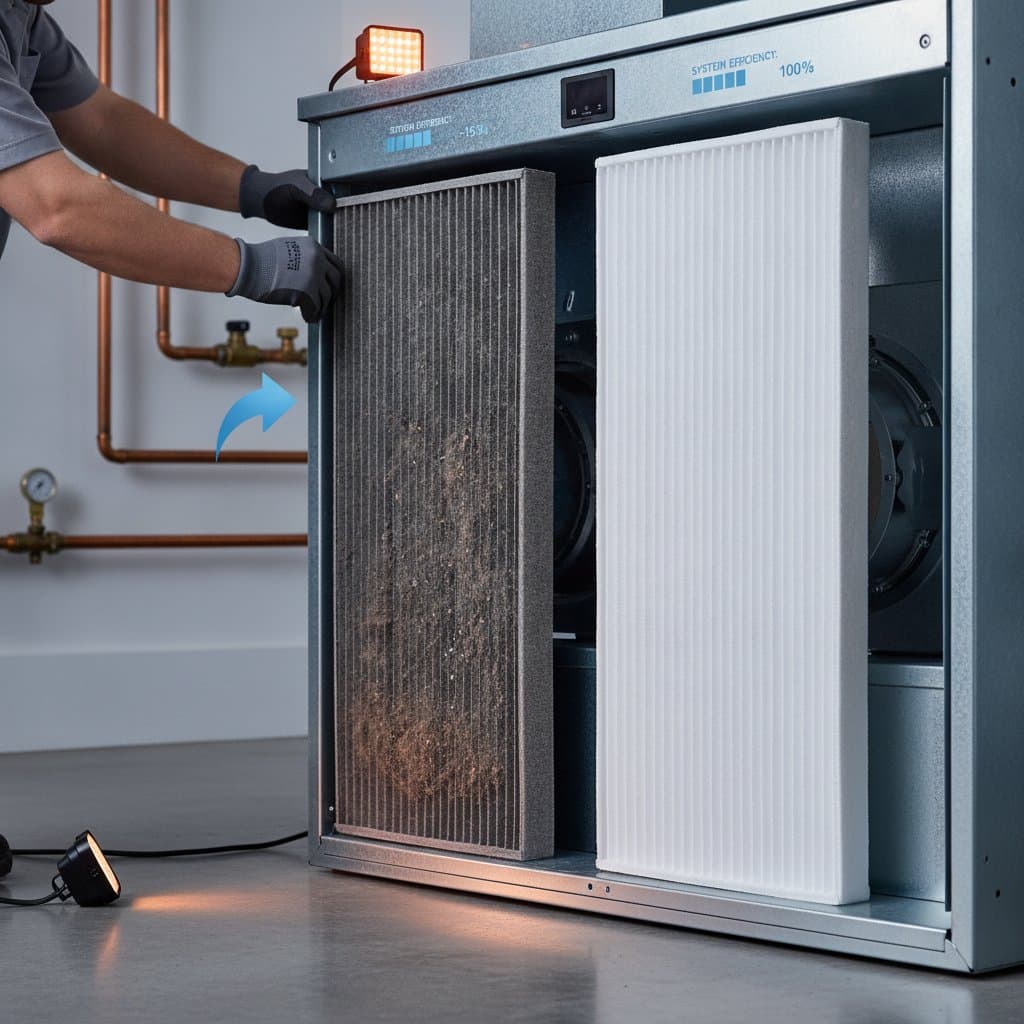
Step 1: Inspect and Replace Air Filters
Clean air filters represent the most straightforward method to enhance airflow and energy efficiency. Obstructed filters compel the blower motor to exert additional effort, elevating energy consumption and accelerating component deterioration. Homeowners should examine filters on a monthly basis during intensive cooling periods. Opt for replacement of disposable filters or thorough cleaning of reusable ones using mild soap and lukewarm water. Select premium pleated filters with MERV ratings between 8 and 11 to balance effective filtration with unobstructed airflow. This routine action alone can lower energy usage by as much as 10 percent over the entire cooling season.
Step 2: Clean the Outdoor Condenser Unit
The outdoor condenser unit expels heat extracted from the indoor environment. During milder months, leaves, grass clippings, and debris tend to accumulate around and within the unit. First, deactivate power at the designated disconnect box. Then, clear away debris using a soft-bristled brush, followed by a gentle rinse of the fins directed from the interior outward with a garden hose. Refrain from high-pressure water streams, as they may deform the delicate metal fins. Maintain a clearance of at least two feet by trimming surrounding vegetation to facilitate unrestricted airflow. For any bent fins, employ a specialized fin comb to realign them and reinstate full operational efficiency.
Step 3: Check the Evaporator Coil and Drain Line
Located indoors, the evaporator coil captures heat from the air, while the associated drain line expels accumulated moisture. Gradual buildup of algae or dust can obstruct the drain, leading to water leakage and potential damage. Examine the drain pan and line for evidence of pooled water or residue. To inhibit clogs, introduce one cup of distilled white vinegar into the line and allow it to flush through. Should corrosion or frost formation appear on the coil, summon an HVAC professional for specialized cleaning and a comprehensive refrigerant evaluation. A pristine coil promotes efficient heat transfer and reliable cooling performance.
Step 4: Test Thermostat and Electrical Components
Thermostats may drift out of calibration or deplete their batteries, resulting in imprecise temperature readings. Install fresh batteries as required and verify the displayed temperature against an independent thermometer. For smart thermostats, execute software updates via the companion application to refine scheduling capabilities and energy monitoring. Additionally, scrutinize accessible wiring and connections near the air handler for indications of deterioration. In the event of exposed frayed insulation or an acrid burning odor, immediately deactivate the system and consult a certified technician to address safety concerns.
Step 5: Tighten Ductwork and Check Airflow
Leaking ducts squander up to 30 percent of conditioned air, inflating energy expenses and compromising comfort in remote areas of the home. Survey visible ducts in attics or crawl spaces for separated joints or fissures. Apply mastic sealant or aluminum foil tape to mend minor breaches, avoiding ordinary duct tape which degrades over time. If uneven cooling or diminished airflow persists, arrange for a professional duct pressure assessment. Sealed ducts direct cooled air effectively, enhancing overall indoor air quality and system efficiency.
Step 6: Evaluate Refrigerant Levels and System Performance
Insufficient refrigerant prompts extended operating cycles, erratic temperature regulation, and risks to the compressor. Only qualified technicians possess the authorization and equipment to assess and recharge refrigerant levels. In a full professional tune-up, measurements include system pressure, electrical amperage, and temperature drops across components. Persistent cooling deficiencies following initial cleaning and filter updates signal the need for this diagnostic evaluation to preempt expensive malfunctions.
Step 7: Inspect Insulation and Weather Sealing
An advanced air conditioning unit falters if the home structure permits cool air to escape. Evaluate seals around windows and doors for deterioration or openings. Renew compromised weatherstripping and reinforce insulation at attic entry points. Energy efficiency analyses indicate that addressing air leaks can curtail overall household energy expenditures by up to 20 percent. A fortified building envelope minimizes air conditioner runtime, fostering consistent indoor temperatures with reduced strain on the system.
When to DIY and When to Hire a Professional
Homeowners can manage foundational tasks such as surface cleaning, filter replacements, and preliminary inspections with standard household tools. However, electrical diagnostics, refrigerant management, and intricate coil servicing demand professional certification and specialized instruments. An annual visit from an HVAC technician guarantees adherence to manufacturer specifications through performance verification, safety audits, and precise adjustments. Numerous providers present bundled pre-season services encompassing thorough inspections, decontamination, and calibration at a predictable fee, typically far below the expense of reactive emergency interventions.
Cost Planning and Energy Savings
Pre-season servicing generally incurs fees ranging from a basic diagnostic charge to several hundred dollars, influenced by regional rates and equipment scale. Such upfront expenditure averts repair bills that escalate from hundreds to thousands of dollars. Further enhancements, like installing a smart thermostat or a variable-speed blower, amplify long-term efficiency. Monitor utility statements post-maintenance to quantify gains; many residents observe enhanced temperature stability and subdued operational noise thereafter.
Maintaining Your Investment
Consistent upkeep of the air conditioning system secures reliable comfort amid extreme heat, curtails energy demands, and prolongs equipment longevity. Maintain a detailed record of filter swaps, professional services, and deviations in sound or output. This documentation accelerates troubleshooting by technicians and preserves eligibility for warranty protections.